





What's Happening?
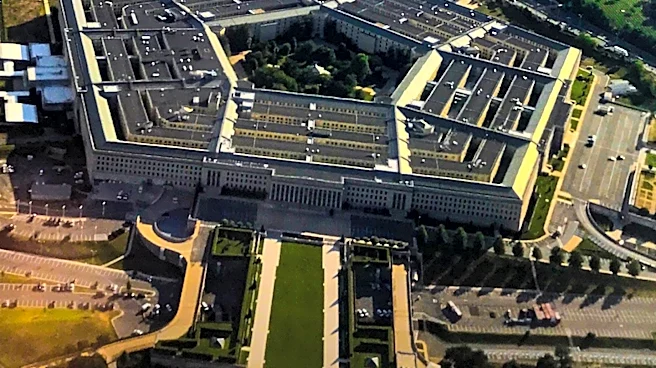
The investigative news outlet, The Intercept, has filed a lawsuit against the U.S. Department of Defense to compel the release of what it describes as the 'true' number of casualties from the Iran War. According to The Intercept's editor-in-chief, Ben
Muessig, the Pentagon has failed to provide clear answers regarding U.S. military personnel killed or injured in the conflict, which President Trump initiated in February. Investigative journalist Nick Turse has extensively reported on a 'casualty cover-up,' documenting numerous deaths and injuries not included in official tallies and unexplained changes that obscure the full toll. The lawsuit follows the Pentagon's failure to respond substantively to five Freedom of Information Act (FOIA) requests for records detailing U.S. casualties, briefings, internal communications, and financial costs of the war. The Pentagon acknowledged receiving these requests but missed the legal deadline for fulfillment. The Intercept's complaint, filed in federal court in the Southern District of New York, accuses the Pentagon of violating its duties to conduct a reasonable search for responsive records and release all nonexempt information.
Why It's Important?
This lawsuit is significant as it challenges government transparency and accountability regarding military operations and their human cost. The alleged discrepancies in casualty figures, as highlighted by The Intercept, raise concerns about the public's right to accurate information, especially concerning the lives of service members. If the Pentagon is indeed withholding or manipulating casualty data, it could erode public trust in government reporting and decision-making during wartime. The outcome of this case could set a precedent for how government agencies handle FOIA requests related to sensitive military information and could influence future journalistic efforts to hold the government accountable. For the families of service members, accurate casualty reporting is crucial for understanding the true impact of conflicts. The Intercept's action underscores the role of a free press in scrutinizing government actions and demanding transparency, particularly in matters of national security and public expenditure.
What's Next?
The federal court in the Southern District of New York will now proceed with The Intercept's lawsuit against the Department of Defense. The Pentagon will be required to respond to the allegations of failing to fulfill FOIA requests and provide a defense for its actions. The legal process will likely involve arguments over the scope of FOIA, national security exemptions, and the public interest in the requested information. Depending on the court's ruling, the Department of Defense may be compelled to release the requested casualty data, potentially revealing a more comprehensive picture of the human toll of the Iran War. This could lead to further public debate, congressional scrutiny, and potentially impact future military reporting policies. The Intercept, represented by Democracy Forward, will continue to advocate for transparency, and the case's progression will be closely watched by media organizations and civil liberties advocates.
Beyond the Headlines
The Intercept's lawsuit delves into deeper implications concerning the balance between national security and public transparency, particularly in an era where information can be tightly controlled. The alleged 'casualty cover-up' suggests a potential pattern of information management that could extend beyond military operations, impacting public perception and political discourse. This situation highlights the ethical dilemma faced by governments in wartime: how much information should be disclosed to the public, especially when it might impact morale or strategic interests? The case also underscores the ongoing struggle for press freedom, which investigative journalist Nick Turse describes as 'the most aggressive assault on press freedom in memory' under Secretary Pete Hegseth. The outcome could influence the legal framework for journalists seeking information from government agencies, potentially strengthening or weakening their ability to report on critical issues without interference or unlawful obstruction.