







What's Happening?
The Wyoming Game and Fish Department has released essential safety guidelines for the ongoing hunting season in the state. Katie Simpson, the Hunter Education Coordinator for the department, highlighted that the most common hunting-related accidents in Wyoming typically
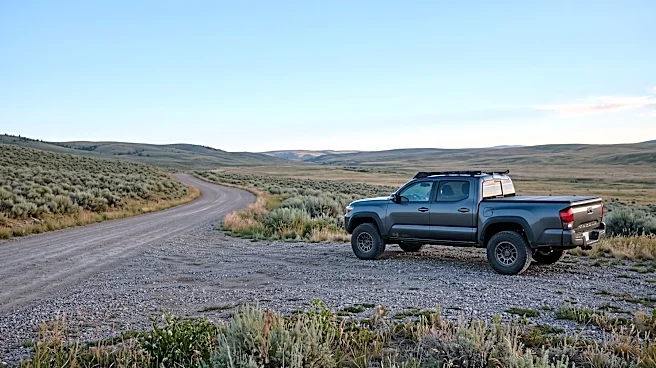
involve vehicles, specifically during the loading or unloading of firearms, or accidental discharge while riding in a vehicle. The second most frequent type of accident involves obstacle crossing. Simpson emphasized that while it is legal to drive with a loaded firearm in Wyoming, it is not always safe, recommending that hunters unload and case their firearms in vehicles to prevent injuries or fatalities. The department also stressed the importance of being aware of one's target and what lies beyond it, citing a past incident where a bullet missed a pronghorn and struck a car on Interstate 80.
Why It's Important?
These safety reminders are crucial for preventing accidents and ensuring a safe hunting season for all participants in Wyoming. Hunting, while a popular recreational activity, carries inherent risks that can be mitigated through adherence to established safety protocols. The emphasis on firearm handling in and around vehicles addresses a common scenario for accidents, aiming to reduce preventable injuries and deaths. Furthermore, the warning about target awareness underscores the responsibility hunters have to public safety, especially in areas where hunting grounds may be near public infrastructure or residential areas. By promoting these guidelines, the Wyoming Game and Fish Department seeks to protect hunters, other outdoor enthusiasts, and the general public, while also maintaining the positive reputation of hunting in the state.
What's Next?
The Wyoming Game and Fish Department will continue to disseminate these safety guidelines through various channels, including their website, social media, and hunter education courses. They will likely monitor hunting-related incidents throughout the season to assess the effectiveness of their safety campaigns and identify any emerging trends. Hunters are encouraged to report any poaching or wildlife violations to the department's tip lines. The department may also collaborate with local law enforcement and community groups to reinforce safety messages. Ongoing education and enforcement efforts will be critical to fostering a culture of safety among hunters and reducing the incidence of accidents in future seasons.
Beyond the Headlines
Beyond the immediate safety concerns, these guidelines touch upon broader themes of responsible outdoor recreation and wildlife stewardship. The emphasis on preparedness, such as telling someone your plans and carrying extra supplies, speaks to the importance of self-reliance and awareness in wilderness environments. The mention of hypothermia highlights the need for hunters to be knowledgeable about environmental risks and personal safety. These recommendations also subtly reinforce the ethical dimensions of hunting, encouraging respect for wildlife, the environment, and fellow citizens. The department's efforts contribute to a larger framework of conservation and public safety, ensuring that Wyoming's natural resources can be enjoyed responsibly by current and future generations.