




What's Happening?
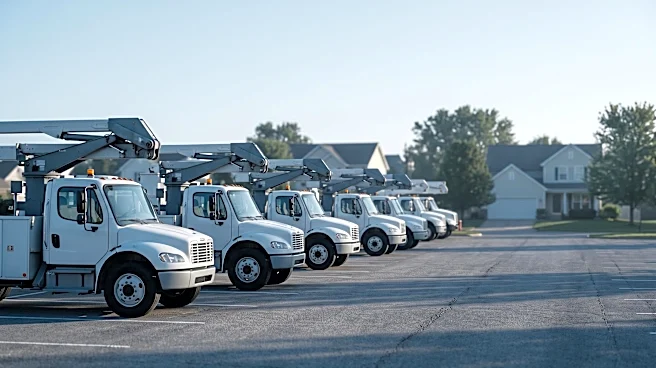
NIPSCO is facing mounting criticism regarding its management of power restoration efforts in Northwest Indiana, where some communities have been without electricity for nearly two weeks. Contracted linemen, brought in from states like Florida and Kentucky
to assist, were observed sitting unassigned in a church parking lot in Griffith for hours, unable to work without direction from NIPSCO. Griffith Police Chief Al Tharp explicitly stated that the delay was due to NIPSCO's organizational leadership, not the workers, citing a lack of clear-cut plans. Rick Ryfa, Town Council President of Griffith, expressed extreme frustration, accusing NIPSCO of mismanaging the project. In response to the perceived inaction, Griffith officials took the initiative to conduct their own damage assessments. Munster 5th Ward Town Councilor Jonathan Petersen also traveled to Griffith to gather information, indicating similar issues in his community. Residents are also concerned about the potential for increased utility rates due to the cost of these contracted crews, especially in light of a class-action lawsuit accusing NIPSCO of neglecting vegetation management despite charging high electric rates.
Why It's Important?
This situation highlights critical issues in utility company preparedness and response to widespread power outages, particularly in the face of severe weather events. The prolonged outages and apparent mismanagement of resources by NIPSCO have significant impacts on the affected communities, disrupting daily life, posing health and safety risks, and causing economic hardship for residents and businesses. The reliance on external contractors, coupled with a lack of clear coordination, points to potential systemic failures in emergency response planning. The class-action lawsuit further underscores a broader concern about utility companies' investment in infrastructure maintenance versus their rate structures. This incident could lead to increased public and regulatory scrutiny of NIPSCO's operational efficiency and accountability. It also raises questions about the effectiveness of current utility regulations in ensuring reliable service and fair pricing, especially when companies are perceived to be neglecting preventative measures like vegetation management.
What's Next?
NIPSCO will likely face continued pressure from local officials and residents to expedite power restoration and provide clearer communication regarding their efforts. The ongoing class-action lawsuit will proceed, potentially leading to legal consequences and demands for changes in NIPSCO's operational practices and rate structures. Local governments in Northwest Indiana may explore alternative strategies for emergency preparedness and coordination with utility providers. There could be calls for state-level investigations or regulatory reviews into NIPSCO's handling of the outage and its long-term infrastructure maintenance. Residents will continue to grapple with the immediate challenges of living without power, and the economic impact on local businesses could be severe. The incident may also prompt a broader discussion about the resilience of critical infrastructure in the face of increasing weather-related challenges and the role of public utilities in ensuring essential services.
Beyond the Headlines
The NIPSCO situation in Northwest Indiana extends beyond a simple power outage; it exposes deeper societal and infrastructural vulnerabilities. The frustration of local officials taking matters into their own hands, conducting damage assessments due to perceived utility inaction, highlights a breakdown in trust and coordination between public services and private utilities. This incident could serve as a case study for examining the privatization of essential services and the balance between profit motives and public welfare. The concern over rising utility rates to cover the costs of contracted crews, while simultaneously facing accusations of neglected maintenance, points to a potential 'moral hazard' where companies might underinvest in preventative measures. This could trigger broader discussions about utility regulation, accountability mechanisms, and the need for more robust public oversight to ensure that critical infrastructure is maintained and resilient, especially in an era of increasing climate-related disruptions. The long-term social fabric of these communities could also be affected by prolonged hardship and a loss of faith in essential service providers.