





What's Happening?
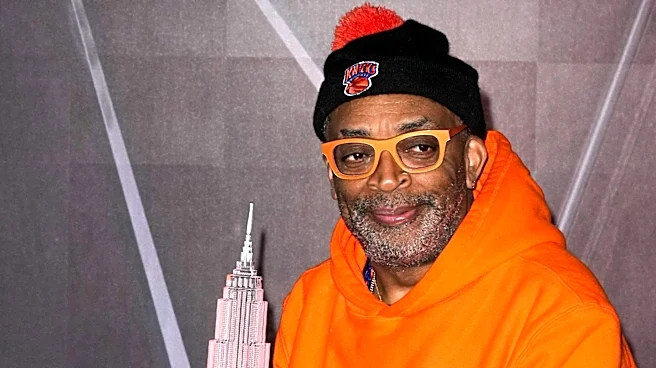
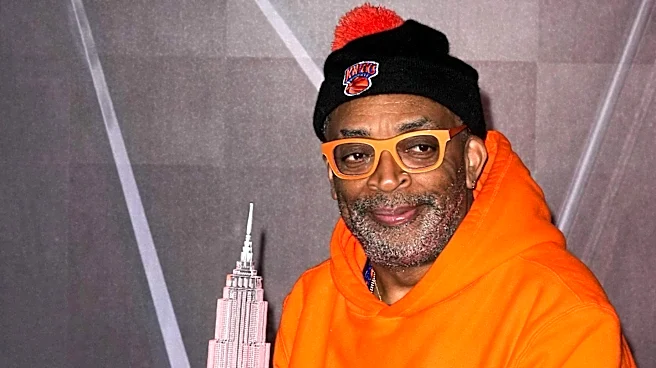
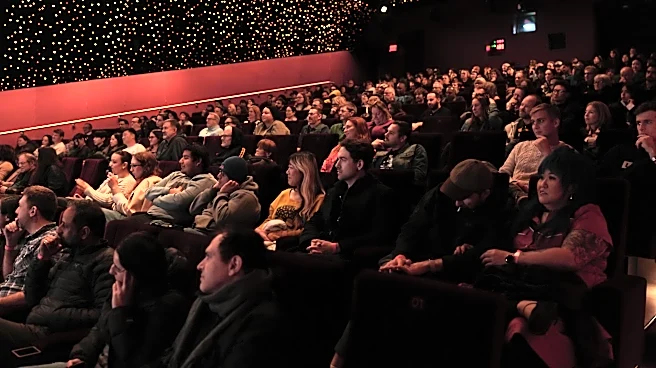
Activist and author Bryan Stevenson served as a film curator for the inaugural Playback Watch Party in Brooklyn, which took place on November 6-7. Co-hosted by director and producer Nicholas Ma and businesswoman Clara Wu Tsai, and with Spike Lee as the host,
the event showcased classic films rather than new releases. Stevenson, alongside actor John Turturro and musician Questlove, selected films for the lineup, which included titles such as "Crooklyn," "The Battle of Algiers," and "Love & Basketball." During the event, Stevenson participated in a talkback with Mira Nair, where they discussed narratives concerning children on the margins of society. Stevenson expressed his appreciation for seeing people engage with stories that have significantly influenced his work, highlighting the enduring power of great art to offer new insights with each viewing. The watch party aimed to celebrate Brooklyn's art, culture, and diverse community.
Why It's Important?
Bryan Stevenson's involvement in curating films and leading discussions at the Playback Watch Party underscores the growing intersection of art, activism, and social justice in public discourse. His focus on films that explore the experiences of marginalized children brings critical social issues to a broader audience, leveraging the power of cinema to foster empathy and understanding. This initiative is important for U.S. society as it uses cultural events to engage communities in meaningful conversations about systemic challenges. By presenting classic films, the event also highlights the timeless relevance of certain narratives and their capacity to resonate across generations, potentially inspiring further dialogue and action on social justice issues. The collaboration of prominent figures like Stevenson, Spike Lee, and Questlove amplifies the event's reach and impact, drawing attention to both the artistic merit of the films and the societal messages they convey.
What's Next?
The success of the inaugural Playback Watch Party, with its emphasis on community engagement and socially relevant cinema, suggests a potential for similar events in the future. Organizers Nicholas Ma and Clara Wu Tsai expressed their hope for the festival to reflect Brooklyn's diverse energy and inspire creativity. Future iterations could continue to feature prominent curators like Bryan Stevenson, further solidifying the event's role as a platform for discussing critical social issues through film. The positive reception from attendees, including those from outside the U.S., indicates a strong interest in such culturally rich and thought-provoking gatherings. This model could be replicated in other U.S. cities, fostering local pride and encouraging engagement with art that addresses societal narratives. The ongoing impact of these discussions may influence public perception and contribute to broader conversations about social justice and community representation.
Beyond the Headlines
Bryan Stevenson's participation in the Playback Watch Party extends beyond a typical film festival, touching upon deeper cultural and ethical implications. His work, particularly with the Equal Justice Initiative, consistently highlights issues of racial injustice and poverty. By curating films that explore the lives of marginalized children, Stevenson is not merely entertaining but is also subtly educating and challenging audiences to confront uncomfortable truths about society. This approach leverages art as a tool for social change, demonstrating how cultural events can serve as powerful forums for ethical reflection and advocacy. The event's focus on classic films also suggests a belief in the enduring power of storytelling to shape moral consciousness and inspire action, fostering a long-term shift in how communities engage with both art and social responsibility. It underscores the idea that cultural institutions can play a vital role in advancing social justice dialogues.