


What's Happening?
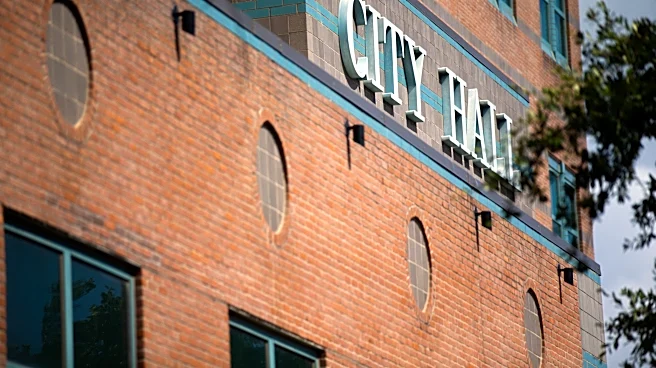
The administration of New York City Mayor Zohran Mamdani has drawn criticism for its decision to skip a City Council hearing concerning the controversial pied-à-terre tax. The hearing, scheduled for Tuesday, was intended to allow officials to address
questions about the surcharge. Councilmember Gale Brewer, who co-chairs one of the committees holding the hearing, expressed disappointment, stating she had a five-page list of questions for the administration. A spokesperson for Mayor Mamdani cited ongoing litigation as the reason for not attending, indicating that written testimony would be submitted instead. The mayor himself is reportedly on vacation. The pied-à-terre tax, passed in the state budget and administered by the city, applies to second homes valued at $5 million or more and co-ops of $1 million or more. While the administration maintains the tax is a crucial revenue source for city services, its absence from the hearing has been met with disapproval, particularly as previous administrations have testified in similar situations despite pending lawsuits.
Why It's Important?
The decision by Mayor Mamdani's administration to forgo a City Council hearing on the pied-à-terre tax is significant as it raises questions about governmental transparency and accountability. The tax is designed to generate revenue for essential city services, and public scrutiny through legislative hearings is a vital component of democratic governance. By not appearing, the administration may be perceived as avoiding direct engagement with elected officials and the public on a policy that impacts a segment of New York City's property owners and contributes to the city's financial health. This move could erode public trust and create a precedent for future administrations to sidestep direct questioning on contentious issues. The controversy also highlights the ongoing tension between executive and legislative branches, particularly when legal challenges are involved, and underscores the importance of open dialogue in policy implementation and oversight.
What's Next?
Despite the Mamdani administration's absence, the City Council hearing on the pied-à-terre tax is expected to proceed. Councilmember Gale Brewer plans to ask her prepared questions and forward them to the Department of Finance and the Tax Commission. The administration will submit written testimony, which will likely be reviewed by the Council. The ongoing litigation surrounding the tax, including a temporary restraining order previously issued by a Staten Island judge and a subsequent ruling by a state appeals court judge allowing the tax's implementation to continue, suggests that legal challenges will persist. The Department of Finance has already received approximately 4,000 appeals for exemptions from the tax. Future developments will likely involve further legal proceedings and potential legislative adjustments based on feedback from the Council and the public, as well as the administration's continued efforts to defend the tax as a vital revenue stream.
Beyond the Headlines
The controversy surrounding the Mamdani administration's decision to skip the City Council hearing on the pied-à-terre tax extends beyond immediate political implications, touching upon deeper issues of governance and public trust. While citing ongoing litigation as a reason for non-attendance, the move could set a precedent that undermines the legislative branch's oversight capabilities and the public's right to direct answers from their elected officials. This situation highlights the delicate balance between executive privilege and governmental transparency, especially when policies are legally challenged. The tax itself, aimed at generating revenue from high-value second homes, reflects broader societal debates about wealth distribution and equitable contributions to public services in a city grappling with affordability issues. The administration's approach to this hearing could influence future interactions between the mayor's office and the City Council, potentially impacting the collaborative environment necessary for effective city management and policy implementation.