

What's Happening?
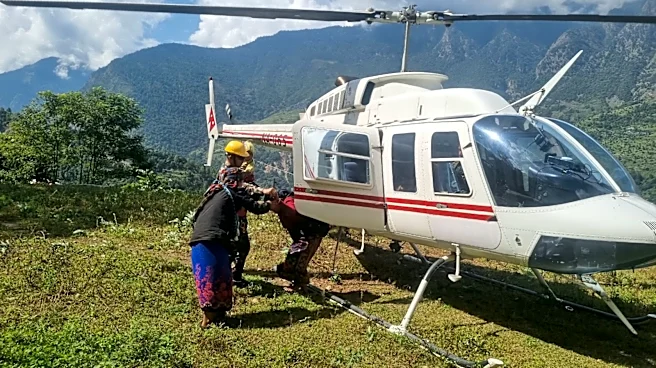
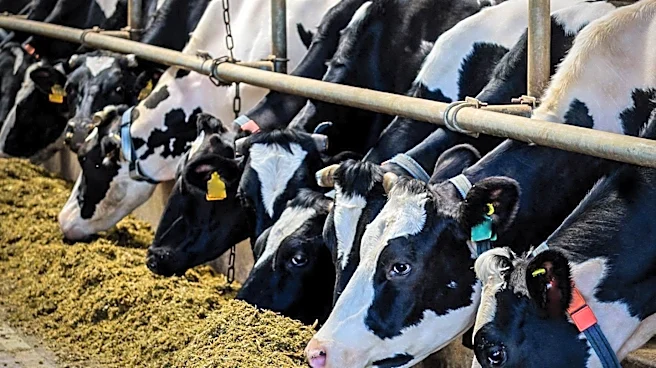
Heifer International Nepal, with support from South Korean donors and farmers, has introduced 169 purebred Holsteins, including 35 bulls, to the Sindhuli district. This initiative is part of the Korea-Nepal Model Dairy Village project, which aims to significantly
improve dairy productivity and the livelihoods of smallholder farming households. The project began in December 2022 with the arrival of 100 purebred Holstein heifers, six breeding bulls, and frozen semen, followed by two more breeding bulls in March 2023. Eighty of these donated cattle were distributed to 51 families in Kamalamai. The program also includes extensive technical instruction and farm-management training, covering animal husbandry, veterinary care, reproduction, nutrition, and dairy enterprise management. Participants are required to attend at least 80% of 48 sessions over four years and learn to use mobile applications for farm record-keeping. A key component is the 'passing on the gift' system, where participating families give their firstborn calves to other community members to further disseminate the improved breed.
Why It's Important?
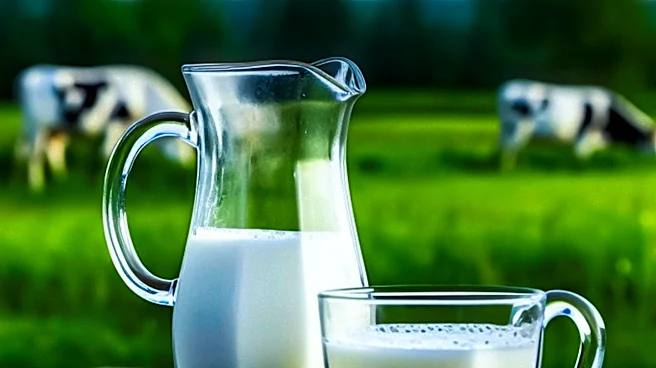
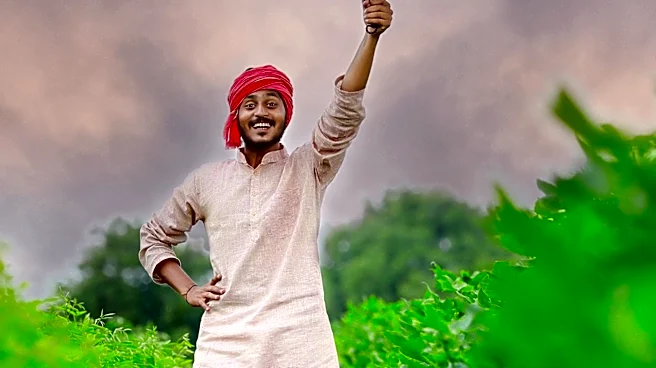
This project is crucial for enhancing the economic stability and food security of farming communities in Sindhuli, Nepal. The introduction of purebred Holsteins, which can produce up to 10,000 liters of milk over a ten-month lactation period compared to 3,200 liters from cross-bred cows, promises a substantial increase in milk production. This boost in productivity directly translates to higher incomes for farmers; a cow producing an average of 35 liters daily can generate nearly Rs700,000 (approximately $5,250 USD) over ten months. Beyond direct income, the initiative provides comprehensive training in modern dairy practices, financial literacy, and public speaking, empowering women farmers like Kamala Subedi and Shanta Thapa to manage their farms more effectively and advocate for their needs. The 'passing on the gift' system ensures the sustainability and widespread impact of the program, fostering community development and shared prosperity. Dairy farming contributes approximately 9% to Nepal’s GDP, and this project aims to raise daily milk production in the area from 5,000 to 10,000 liters within two years, strengthening the national dairy sector.
What's Next?
The project plans to continue its training programs, with other farmers enrolled in the program expected to graduate in December. The initiative aims to double daily milk production in the Kamalamai area to 10,000 liters within the next two years. This will involve further integration of improved cattle breeds, ongoing technical support, and continued farm-management training for participating farmers. The expansion of collection and processing infrastructure, such as the Kamalamai milk collection and chilling center, will be critical to handle the increased milk volume. The 'passing on the gift' system will ensure that the benefits of the purebred Holsteins spread to more families, creating a ripple effect of improved dairy farming practices and increased income across the community. Continued collaboration between Heifer International Nepal, South Korean donors, and local municipalities will be essential for the long-term success and sustainability of the Korea-Nepal Model Dairy Village initiative.
Beyond the Headlines
The Heifer International project in Sindhuli highlights a broader strategy for sustainable development through agricultural empowerment. By focusing on breed improvement alongside comprehensive education, the initiative addresses not only immediate economic needs but also builds long-term capacity within farming communities. The emphasis on women farmers, providing them with skills in livestock management, finance, and public speaking, challenges traditional gender roles and promotes greater economic independence and social participation. The 'passing on the gift' model embodies a philosophy of shared growth and community solidarity, moving beyond simple aid to foster self-reliance and collective progress. This approach could serve as a blueprint for similar development projects in other regions, demonstrating how targeted interventions in agriculture, combined with education and community-led distribution, can create lasting positive change and contribute to national economic growth and food security.