





What's Happening?
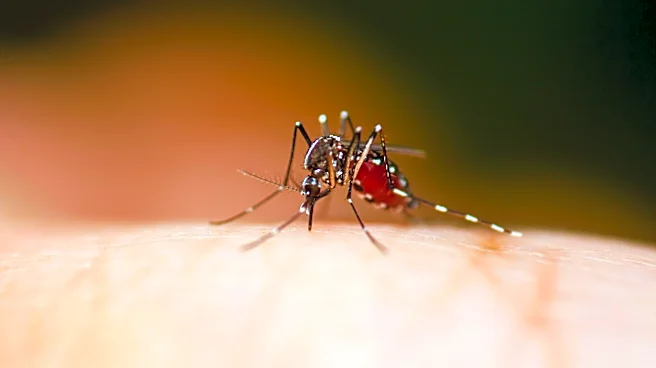
Rhode Island has elevated the risk level for West Nile virus to high after detecting the virus in mosquito samples collected in East Providence, North Providence, and Providence. The samples, tested by the Rhode Island State Health Laboratories, did not
show signs of other viruses such as Eastern equine encephalitis (EEE) or Jamestown Canyon virus. Despite the high risk level, there is no indication of a widespread outbreak. Health officials are urging residents to take precautions against mosquito bites, as West Nile virus is the leading mosquito-borne disease in the U.S., according to the Centers for Disease Control and Prevention (CDC). Symptoms can range from mild, such as fever and headache, to severe, affecting the central nervous system.
Why It's Important?
The elevation of the West Nile virus risk level in Rhode Island is significant as it highlights the ongoing public health challenge posed by mosquito-borne diseases. With no vaccines or specific treatments available for West Nile virus, prevention through public awareness and protective measures is crucial. The situation underscores the importance of monitoring and controlling mosquito populations to prevent potential outbreaks. The high risk level may prompt increased public health efforts and resource allocation to mitigate the spread of the virus, impacting local communities and healthcare systems.
What's Next?
Residents are advised to follow CDC recommendations, including using insect repellent, wearing protective clothing, and avoiding outdoor activities during peak mosquito activity times. Public health officials may increase surveillance and control measures to manage mosquito populations. Continued public education campaigns are likely to emphasize the importance of personal protection and community involvement in reducing mosquito breeding sites.