







What's Happening?
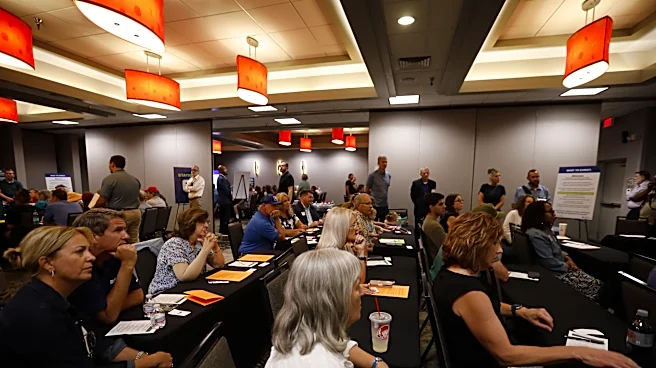
The Pawtucket City Council, acting as the board of license commissioners, has postponed a decision on the kennel license renewal for Harmony Dog Training LLC until its first meeting in October. This decision followed a two-hour formal hearing where neighbors
testified about alleged violations, including habitual barking and odor issues, which they claim have persisted for over two years. The council also ordered mediation between the business owner and the neighbors to attempt to negotiate changes before a final vote. The city solicitor presented four alleged violations, focusing on a zoning criterion that states a kennel lot cannot be within 200 feet of a residential district. The director of zoning and code enforcement testified that the lot is split between residential multifamily and industrial open zones, with the industrial zone covering approximately 80% of the property, which typically permits pet care services by right. However, councilors acknowledged that the board might have erred in granting the initial license without conditions, particularly regarding the 200-foot buffer requirement.
Why It's Important?
This situation highlights the complexities and potential conflicts that can arise between local businesses and residential communities, particularly concerning zoning regulations and quality of life issues. The council's acknowledgment of a possible error in the initial licensing process underscores the importance of thorough due diligence and clear conditions when approving business operations that could impact surrounding neighborhoods. For Harmony Dog Training, the ongoing delay and mandated mediation create uncertainty and potential financial strain, as the owner has already invested significantly in soundproofing and other upgrades. For the residents, the prolonged process means continued disruption, impacting their property values and daily lives. The case also raises questions about the interpretation and enforcement of zoning ordinances and the accountability of licensing boards in ensuring community well-being. The threat of litigation from both sides indicates the high stakes involved and the potential for legal precedents in similar disputes.
What's Next?
The formal hearing has concluded, but no motion was made on the alleged violations. The board's next step is to hold mediation meetings between Harmony Dog Training's owner and the neighbors before the end of September, aiming for multiple sessions if needed. The Pawtucket City Council's first October meeting, where the renewal petition will be revisited, is scheduled for October 7. During this time, the business will continue to operate under its existing license. The outcome of the mediation will likely influence the council's final decision, which could range from approving the renewal with new conditions, denying it, or further postponing the decision. Both the business and the neighbors have raised the prospect of legal action, suggesting that if a mutually agreeable solution is not reached through mediation, the dispute could escalate to court, potentially leading to a lengthy and costly legal battle for all parties involved.
Beyond the Headlines
This case delves into the broader implications of urban planning and the delicate balance between fostering local businesses and preserving residential quality of life. The council's self-reflection on potential past errors in granting the license without conditions points to a systemic issue in how zoning and licensing decisions are made and reviewed. It highlights the need for clearer guidelines and more rigorous enforcement mechanisms to prevent such protracted disputes. The emotional testimony from neighbors about barking and odor, contrasted with the business owner's significant investments, illustrates the human and financial toll of these conflicts. Furthermore, the mention of a realtor advising a neighbor against selling due to the issue underscores the economic impact on property values in affected areas. This situation could prompt a reevaluation of Pawtucket's zoning ordinances and licensing procedures for businesses operating near residential zones, potentially leading to more stringent requirements or clearer buffer zone definitions to prevent similar conflicts in the future.