
What's Happening?
The International Energy Agency (IEA) has reported that ongoing conflict in the Middle East could lead to a significant reduction in global liquefied natural gas (LNG) supply, estimating a loss of 120
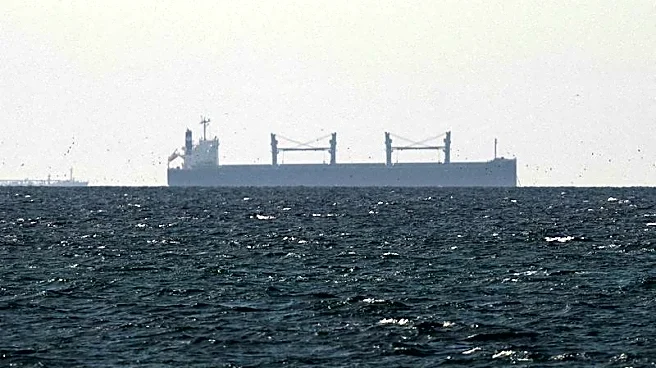
billion cubic meters from 2026 to 2030. This disruption is attributed to the closure of the Strait of Hormuz, affecting LNG production in Qatar and the United Arab Emirates. The IEA notes that while new liquefaction facilities are expected to offset these losses eventually, the immediate impact will delay the anticipated growth in LNG supply. The conflict has already caused a 10 billion cubic meter reduction in March alone.
Why It's Important?
The potential loss of LNG supply is critical as it represents 15% of the expected global supply, impacting energy markets worldwide. This disruption could lead to increased energy prices and affect countries reliant on LNG imports. The situation underscores the vulnerability of global energy supply chains to geopolitical tensions, highlighting the need for diversified energy sources and routes. The delay in LNG supply growth could also affect long-term energy planning and investments in infrastructure.
What's Next?
The duration of the Strait of Hormuz closure will be a key factor in determining the extent of the impact on LNG supply. Energy markets will be closely monitoring developments, and countries may seek alternative energy sources to mitigate potential shortages. The situation could prompt increased investment in renewable energy and other alternatives to reduce dependency on LNG. Additionally, diplomatic efforts may intensify to resolve the conflict and stabilize energy supplies.