






What's Happening?
Four Republican-led states, including Florida, Indiana, Ohio, and Iowa, are seeking to regain access to the Department of Homeland Security's (DHS) Systematic Alien Verification for Entitlements (SAVE) system. This request follows a federal judge's decision
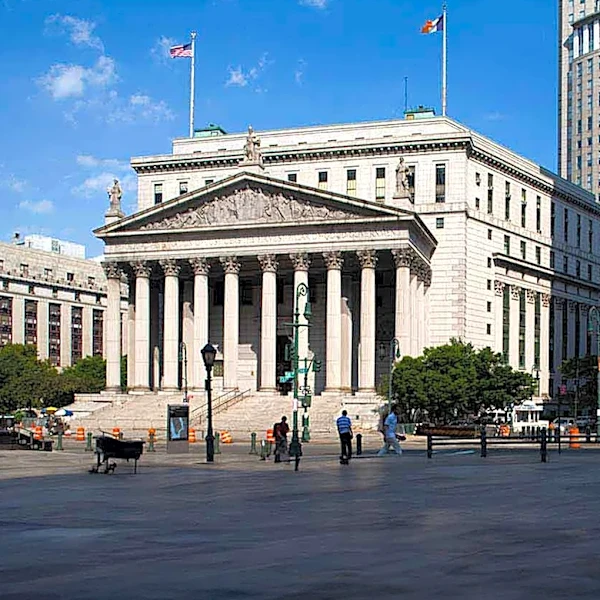
to shut down the database in response to a lawsuit from pro-voting groups. The states argue that the database is essential for identifying noncitizens on their voter rolls. The SAVE system, expanded under President Trump's administration, was designed to allow bulk searches using social security numbers to verify citizenship. However, a recent court ruling found that these modifications violated privacy laws, leading to the suspension of the program. The states have filed a motion to restore access, citing a previous settlement agreement with DHS.
Why It's Important?
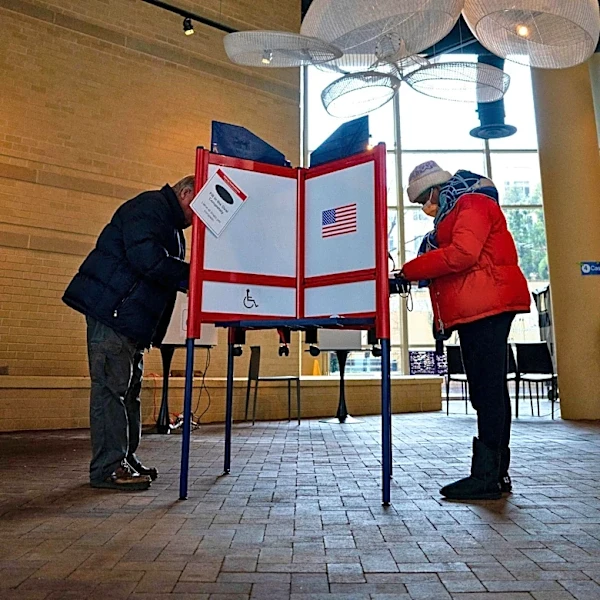
The case highlights the ongoing debate over voter registration and the use of federal databases to verify citizenship. The outcome could have significant implications for how states manage their voter rolls and address concerns about noncitizen voting. Critics argue that the use of such databases can lead to the disenfranchisement of eligible voters, particularly in states with strict voter ID laws. The legal battle also underscores tensions between state and federal authorities over election management and the protection of voting rights.
What's Next?
The court's decision on whether to restore access to the SAVE system will be closely watched, as it could set a precedent for other states seeking similar access. If the motion is granted, it may lead to further legal challenges from voting rights groups concerned about privacy and the potential for voter suppression. The case may also prompt discussions about the need for federal legislation to standardize voter registration processes and protect against both voter fraud and disenfranchisement.