


What's Happening?
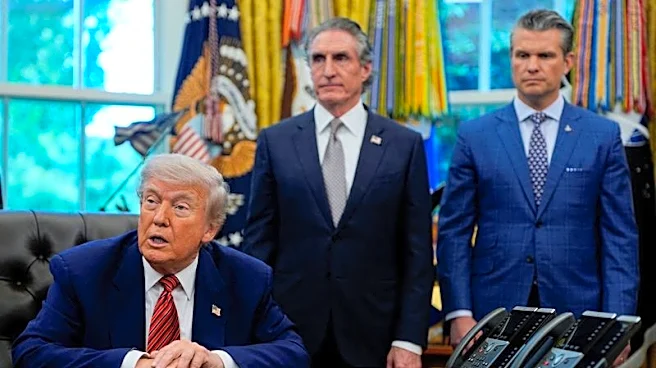
The Justice Department has declared the Presidential Records Act, a law requiring the president to preserve and turn over certain documents to the National Archives at the end of their administration, as unconstitutional. Assistant Attorney General T.
Elliot Gaiser, leading the Office of Legal Counsel, stated that the Act exceeds Congress' power and infringes on the executive branch's independence. This decision was made public and first reported by Axios. The Presidential Records Act, enacted in 1978 following the Watergate scandal, mandates that presidential records belong to the U.S. government and must be preserved. It governs records of the president, vice president, and parts of the Executive Office, setting requirements for maintenance and access. The Act excludes personal records of a purely private nature. President Trump, who was indicted in 2023 for allegedly mishandling sensitive records, invoked this law in his defense, claiming he was allowed to keep the materials. The case concluded after he won a second term in office.
Why It's Important?
This declaration by the Justice Department could significantly alter the balance of power between the legislative and executive branches. By deeming the Presidential Records Act unconstitutional, the executive branch gains more autonomy over its records, potentially reducing transparency and accountability. This decision may set a precedent for future administrations, allowing them to withhold documents from the National Archives, which could impact historical record-keeping and public access to presidential documents. The ruling also highlights ongoing tensions between Congress and the presidency over oversight and control of executive actions.
What's Next?
The decision by the Office of Legal Counsel is binding for the executive branch, but it could face challenges if a court interprets the law differently. Legal battles may ensue as Congress and other stakeholders might seek to uphold the Act's provisions. The ruling could prompt legislative efforts to revise or replace the Act to ensure compliance and maintain checks on presidential power. Additionally, this development may influence how future administrations handle their records, potentially leading to new legal and political conflicts over document preservation and transparency.