






What's Happening?
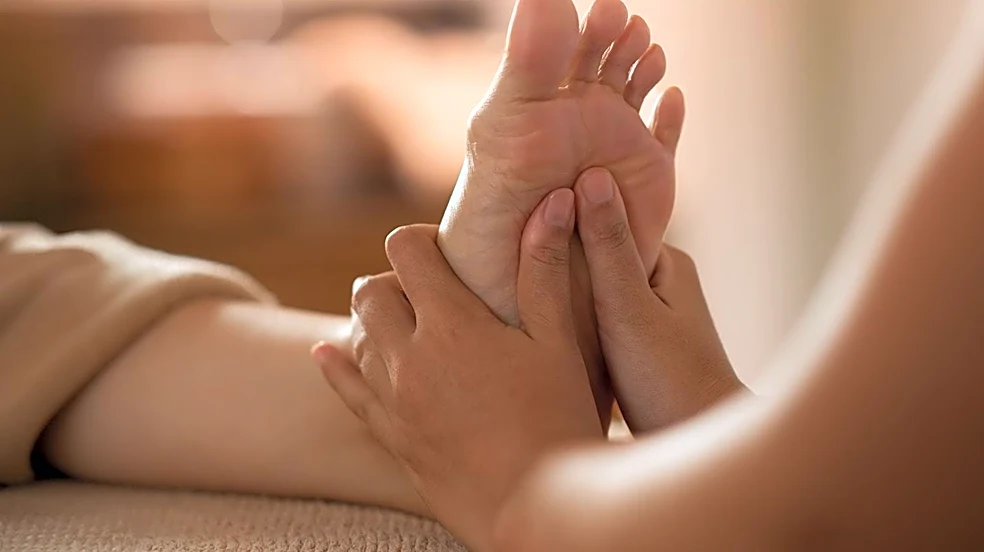
The Cleveland Clinic has provided insights into lymphatic drainage massage, a gentle technique used to alleviate inflammation associated with lymphedema. This condition, characterized by swelling of the lymph nodes, often arises as a side effect of various
health issues, including certain cancer treatments like breast cancer surgery, where lymph nodes may be removed. The massage employs light pressure and specific techniques to guide lymph fluid from swollen tissues into the lymph nodes, thereby reducing swelling. Beyond addressing lymphedema, the massage is also utilized to support post-surgical healing, lessen puffiness and heaviness, bolster the immune system, promote relaxation, and ease tightness in healing tissues. The technique, developed by Dr. Emil Vodder in the 1930s, involves gentle, wave-like strokes and pumping movements applied in precise directions that align with the natural pathways of the lymphatic vessels.
Why It's Important?
The information from the Cleveland Clinic is crucial for individuals experiencing lymphedema or recovering from surgeries that impact the lymphatic system. By clarifying the therapeutic applications of lymphatic drainage massage, it helps patients and healthcare providers make informed decisions regarding treatment options. The emphasis on its role in reducing inflammation, supporting immune function, and aiding post-surgical recovery underscores its significance in patient care. Understanding the benefits can lead to improved quality of life for those suffering from chronic swelling and discomfort. Conversely, the outlined risks, such as avoiding the massage for individuals with blood clots, heart disease, or cellulitis, are vital for patient safety, preventing potential complications and ensuring the therapy is applied appropriately.
What's Next?
Healthcare providers are expected to continue recommending lymphatic drainage massage as a therapeutic option for eligible patients, particularly those recovering from cancer treatments or other conditions leading to lymphedema. Patients considering this massage are advised to consult with a healthcare provider first to determine its suitability and to understand any potential risks based on their individual health status. The ongoing dissemination of information from reputable sources like the Cleveland Clinic will likely contribute to a more informed public and medical community regarding the appropriate use and benefits of this specialized massage technique. Further research may also explore additional applications or refine existing techniques for broader patient populations.
Beyond the Headlines
The discussion around lymphatic drainage massage extends beyond immediate physical relief, touching upon broader aspects of holistic health and patient empowerment. While social media trends sometimes promote such therapies as general wellness or aesthetic hacks, the Cleveland Clinic's detailed guidance helps to distinguish legitimate medical applications from unsubstantiated claims. This distinction is critical for maintaining public trust in healthcare information and ensuring that individuals seek appropriate medical advice. The therapy's role in managing chronic conditions and aiding recovery highlights the interconnectedness of the body's systems and the potential of non-pharmacological interventions in modern medicine, emphasizing a patient-centered approach to care.