






What's Happening?
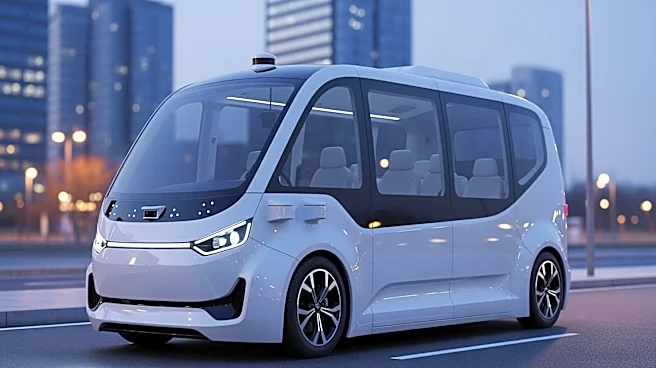
Waymo has officially launched its first public self-driving car service in Nashville, Tennessee. The service covers a 60-square-mile area, including popular destinations such as Lower Broadway, 12 South, Midtown, and East Nashville. These autonomous vehicles
are designed to operate independently, with the ability to anticipate and react to traffic conditions. Thousands of Nashville residents have already signed up for the service, which is being expanded on a rolling basis. Waymo's spokesperson highlighted the company's commitment to safety, noting that they conduct 500,000 trips weekly across various cities. The service is accessible through the Waymo app, where interested users can join a waitlist to experience the autonomous rides.
Why It's Important?
The launch of Waymo's self-driving car service in Nashville marks a significant step in the expansion of autonomous vehicle technology in the U.S. This development could potentially transform urban transportation by reducing the need for human drivers, thereby lowering costs and increasing efficiency. The introduction of autonomous vehicles also raises important questions about safety, regulation, and public acceptance. As more cities adopt such technologies, there could be significant impacts on local economies, job markets, and urban planning. The success of Waymo's service in Nashville could serve as a model for other cities considering similar initiatives.
What's Next?
Waymo plans to continue expanding its service in Nashville and potentially other cities, depending on the success of the current rollout. The company is likely to monitor user feedback and safety performance closely to refine its operations. As the service grows, there may be increased discussions around regulatory frameworks and infrastructure adaptations needed to support autonomous vehicles. Stakeholders, including city officials, transportation planners, and the public, will play crucial roles in shaping the future of autonomous transportation in urban areas.