




What's Happening?
The World Health Organization (WHO) has revealed that the Ebola outbreak in the Democratic Republic of Congo (DRC) began in February, months before it was officially declared in mid-May. This delay in recognition has contributed to the rapid spread of the virus,
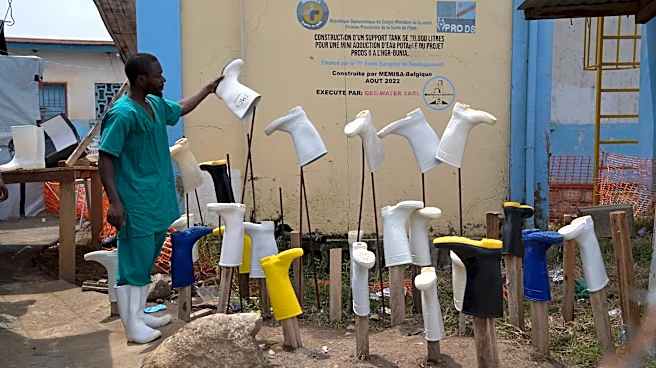
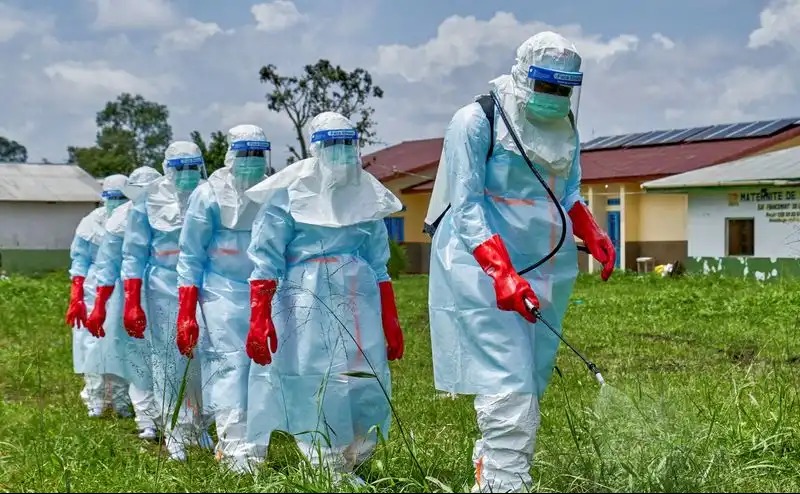
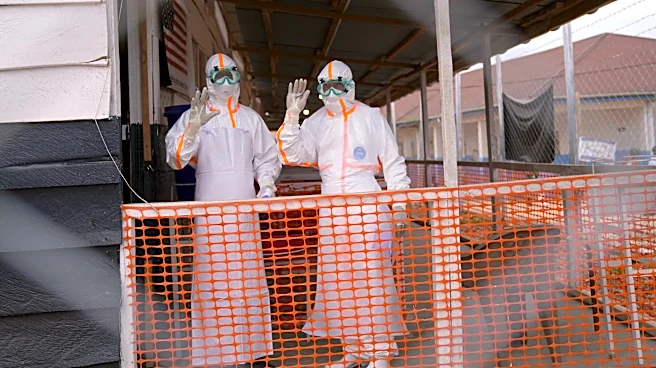
which has now resulted in 4,200 confirmed cases and at least 1,900 deaths. The outbreak is particularly challenging due to the involvement of the rare Bundibugyo virus strain, for which there are no approved vaccines or treatments. Initial misdiagnoses of Ebola cases as malaria and typhoid further delayed the response. The situation is compounded by logistical challenges, including strikes by unpaid health workers, threats from rebel groups, and misinformation about the virus's existence. Health teams face difficulties accessing remote areas, and there is a shortage of protective gear, complicating efforts to contain the outbreak.
Why It's Important?
The delayed response to the Ebola outbreak in the DRC highlights significant gaps in global health surveillance and response systems. The rapid spread of the virus poses a severe threat to public health, not only within the DRC but also in neighboring regions. The lack of an approved vaccine for the Bundibugyo strain underscores the need for accelerated research and development of vaccines and treatments for less common Ebola strains. The outbreak's impact is exacerbated by socio-political instability, which hinders effective healthcare delivery and increases the risk of further transmission. This situation underscores the importance of strengthening health infrastructure and improving early detection and response capabilities to prevent future outbreaks from escalating.
What's Next?
Efforts to control the outbreak will likely focus on improving surveillance and contact tracing, particularly in remote areas. The WHO has recommended the initiation of full-scale human trials for the Ervebo vaccine, which may offer some protection against the Bundibugyo strain. However, results from these trials are expected to take months. In the meantime, health authorities will need to address misinformation and build trust within affected communities to ensure compliance with public health measures. The international community may also need to provide additional support to bolster the DRC's healthcare system and address the underlying socio-political challenges that complicate the outbreak response.