





What's Happening?
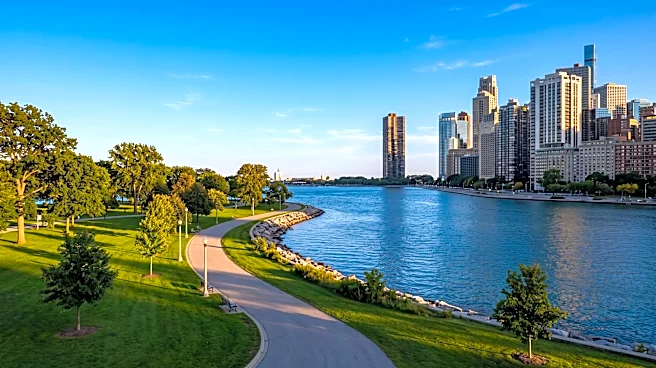
More than half of the global population now resides in cities, a trend that continues to reshape daily living conditions. Urban green and blue spaces, such as parks, community gardens, urban forests, rivers, and coastal waterfronts, are increasingly recognized
as vital public health assets within city life. A significant body of evidence suggests a link between proximity to urban nature and reduced psychological distress, improved mood, and stronger neighborhood cohesion. However, the psychological experience of these spaces is deeply intertwined with the material realities of urban living, including perceived quality, microclimatic comfort, ambient soundscapes, biodiversity, air quality, transport noise, and perceived safety. These factors, along with accessibility—encompassing physical proximity, affordance, walkability, social inclusion, and equitable distribution—all influence how individuals interact with and benefit from these natural environments. The research emphasizes the need to understand the psychological processes through which these spaces impact mental health and social outcomes, particularly considering urban-specific environmental qualities and socio-spatial contexts.
Why It's Important?
The growing recognition of urban green and blue spaces as public health assets has significant implications for urban planning and public policy in the U.S. As urbanization continues, ensuring equitable access to these spaces can address disparities in mental health outcomes across different communities. For instance, children in dense residential areas, older adults aging in place, and communities with limited green infrastructure face distinct psychological landscapes. Understanding these equity dimensions is crucial for developing inclusive urban designs that promote well-being for all residents. Investing in and maintaining these spaces can lead to a healthier, more resilient populace, potentially reducing healthcare costs associated with psychological distress. Furthermore, the focus on psychological mechanisms, rather than just associations, provides a deeper understanding that can inform more effective interventions and policies, ensuring that urban development contributes positively to the mental and emotional well-being of its inhabitants.
What's Next?
Future research will likely delve deeper into the psychological processes and mechanisms through which urban green and blue spaces influence mental health. This includes exploring the impact of spatial and sensory qualities like vegetation structure, biodiversity, soundscapes, and water features on psychological restoration. Studies will also examine thermal comfort and microclimatic conditions as drivers of psychological stress or comfort, and the role of ambient exposures such as noise and air quality. There will be a continued focus on environmental justice, investigating the unequal distribution of green and blue space quality and access, and its psychological implications. The development of novel psychometric instruments for assessing these psychological processes is also anticipated. These insights will be critical for urban planners, policymakers, and community leaders to design and implement strategies that maximize the mental health benefits of urban nature, ensuring equitable access and fostering stronger community identities.
Beyond the Headlines
The emphasis on the psychological significance of urban green and blue spaces as part of the everyday built environment highlights a shift in how cities are perceived—not just as economic or logistical hubs, but as ecosystems that profoundly influence human well-being. This perspective encourages a more holistic approach to urban development, where the integration of nature is seen as fundamental to quality of life, rather than an optional amenity. The ethical dimension arises in ensuring that the benefits of these spaces are distributed equitably, preventing the creation of 'green gentrification' where improved natural amenities lead to displacement of vulnerable populations. Culturally, this research can foster a renewed appreciation for nature within urban settings, encouraging residents to engage with their local environments and build stronger community ties through shared green and blue spaces. Long-term, this could lead to a re-evaluation of urban land use, prioritizing ecological health and human well-being alongside economic development.