
What's Happening?
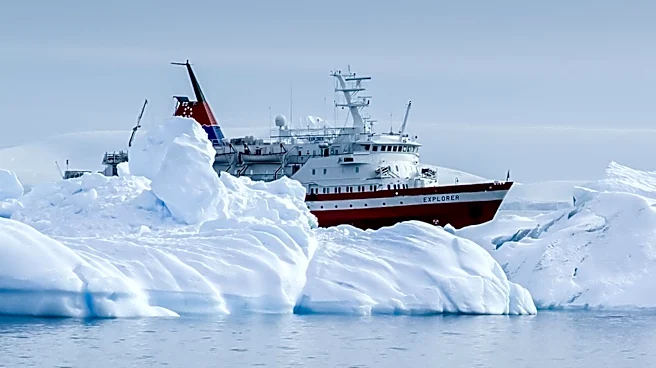
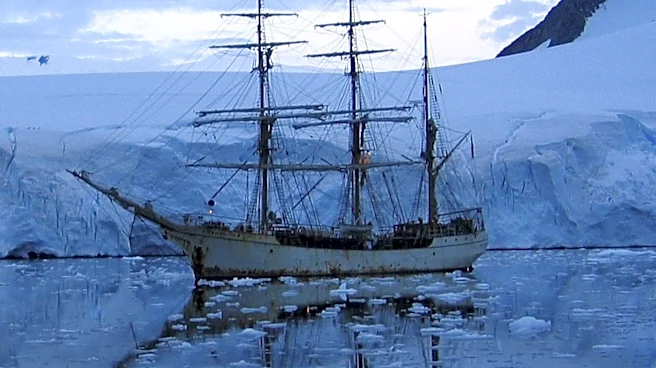
The Discovery Expedition, led by Robert Falcon Scott, Ernest Shackleton, and Edward Wilson, embarked on a historic journey to Antarctica in the early 1900s, capturing over 1,000 photographs using glass plates. The expedition, which began 125 years ago,
was equipped with more photographic equipment than any previous Antarctic mission. Chief engineer Reginald Skelton served as the official photographer, using large folding bellows cameras to document the expedition. Despite the harsh conditions, many of the glass plate photographs survived the 960-mile journey, providing a unique visual record of early Antarctic exploration.
Why It's Important?
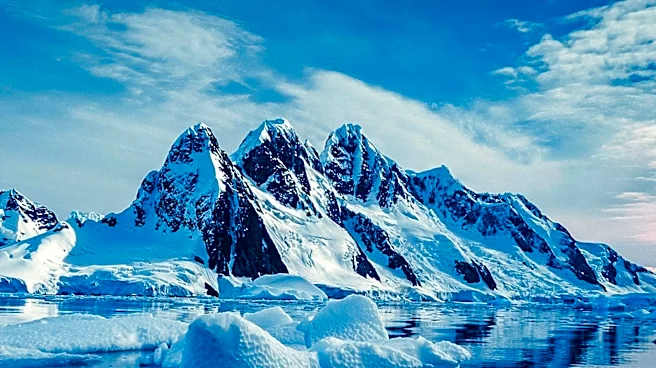
The survival of these glass plate photographs offers invaluable insights into the early days of Antarctic exploration and the challenges faced by explorers. The images serve as a historical record, capturing the isolation and harsh conditions experienced by the expedition team. This visual documentation is crucial for understanding the history of polar exploration and the technological advancements in photography at the time. The photographs also highlight the enduring human spirit and determination to explore uncharted territories, contributing to our knowledge of the Antarctic region.
Beyond the Headlines
The use of glass plates for photography during the Discovery Expedition underscores the technological limitations and innovations of the era. The expedition's success in capturing aerial photographs using a tethered balloon marks a significant achievement in the history of photography. These early images not only document the expedition but also reflect the broader cultural and scientific curiosity of the time. The preservation of these photographs offers a glimpse into the past, allowing contemporary audiences to appreciate the legacy of early explorers and the evolution of photographic techniques.