

What's Happening?
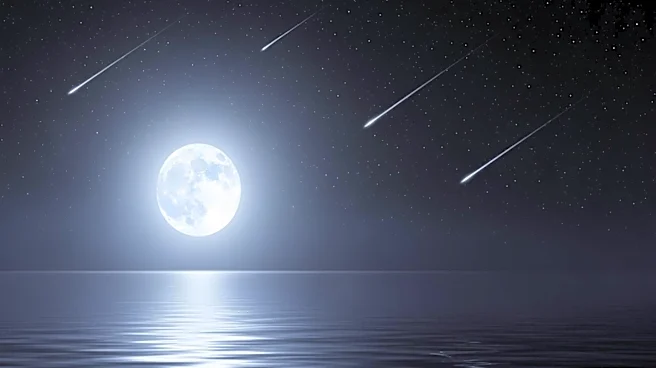
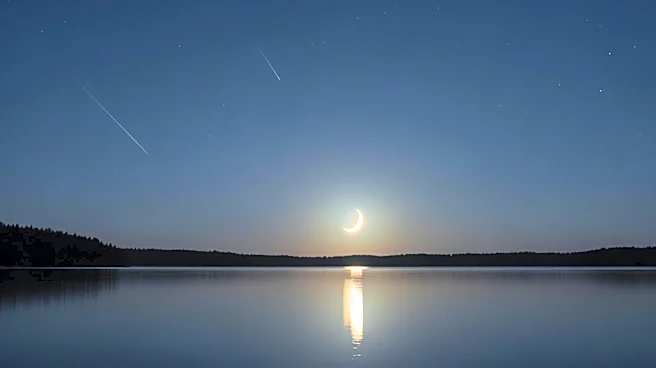
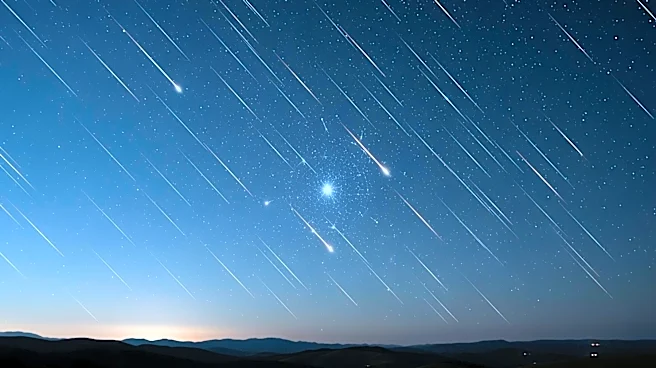
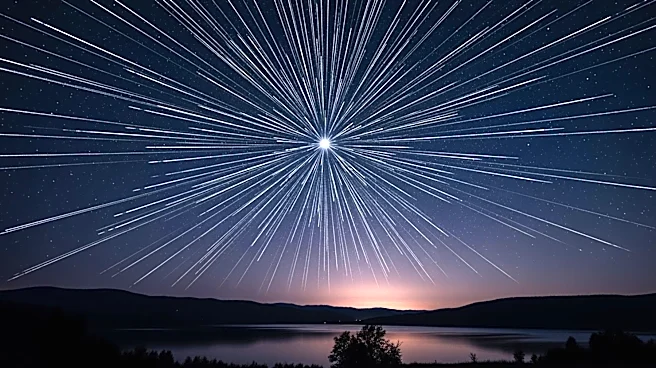
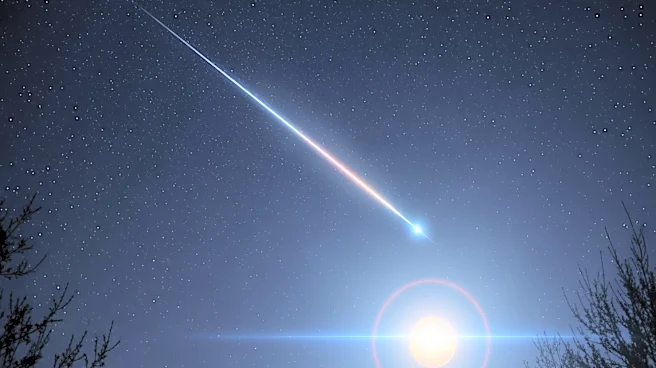
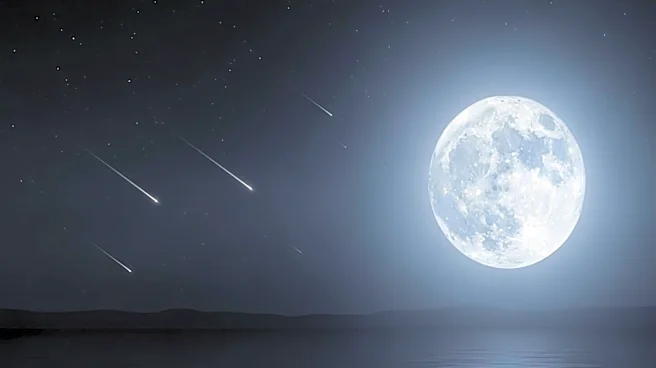
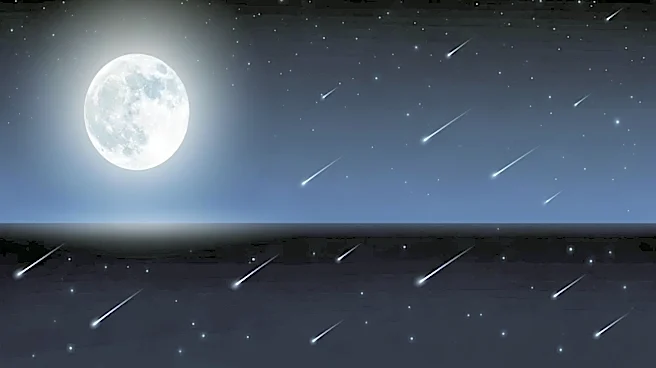
The Eta Aquariid meteor shower is set to peak on the night of May 5-6, offering a celestial display of 10-20 meteors per hour visible from mid-northern latitudes. This meteor shower, caused by debris from Halley's Comet, is best observed before dawn when
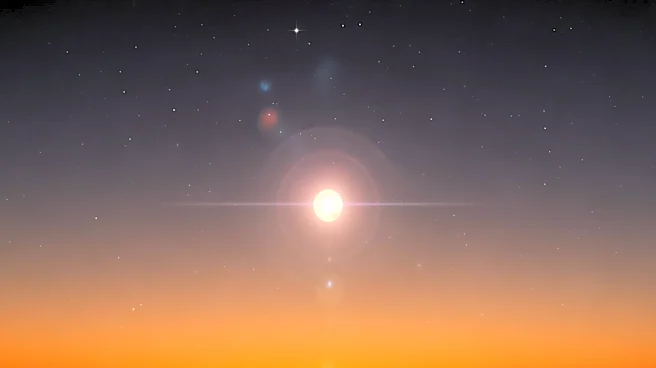
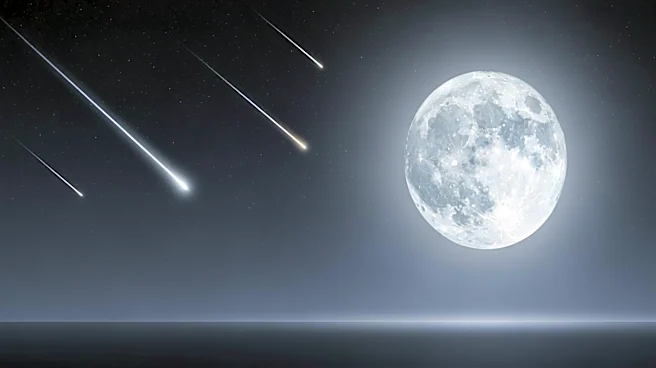
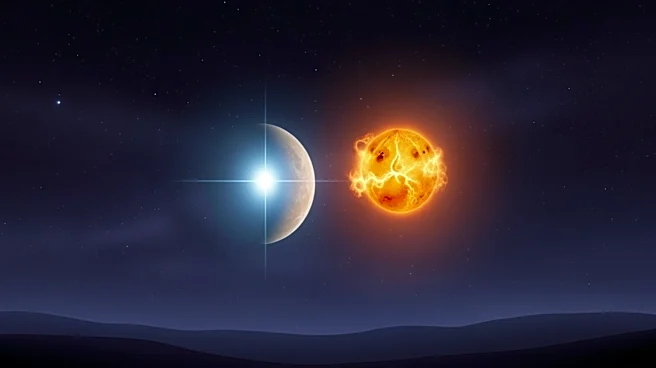
the constellation Aquarius rises. Concurrently, Venus is becoming increasingly visible in the western sky after sunset, adding to the stargazing opportunities. The Last Quarter Moon on May 9 will further enhance visibility of faint stars and constellations by reducing moonlight interference.
Why It's Important?
Meteor showers like the Eta Aquariids provide valuable opportunities for both amateur and professional astronomers to study cometary debris and its interaction with Earth's atmosphere. The visibility of Venus and other celestial bodies during this period also encourages public interest in astronomy and space science. These events can inspire educational activities and community engagement in stargazing, fostering a greater appreciation for the night sky and the science behind it.
What's Next?
As the Eta Aquariid meteor shower concludes, stargazers can look forward to other astronomical events throughout the year. The increasing visibility of Venus will continue to be a highlight in the evening sky, offering ongoing opportunities for observation. Educational institutions and astronomy clubs may organize events to capitalize on these celestial phenomena, promoting science education and public engagement.