



What's Happening?
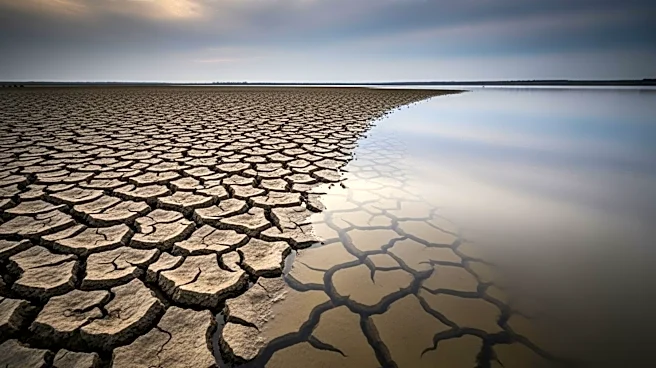
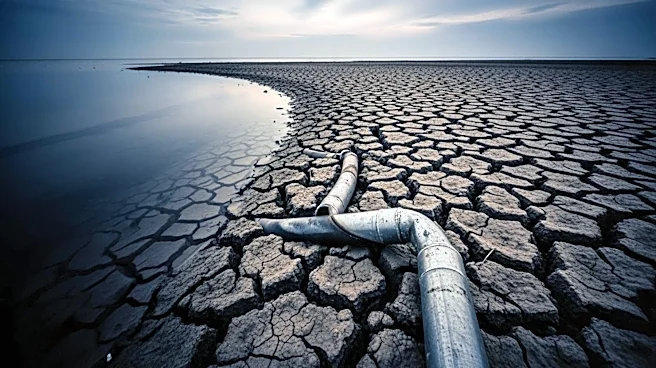
The Supreme Court has ruled in favor of Chevron, allowing the oil giant to contest an environmental damage lawsuit in federal court. This decision challenges a $745 million judgment against Chevron, which was intended to fund the restoration of coastal
wetlands in Louisiana damaged since World War II. The ruling could influence nearly a dozen similar lawsuits against the oil and gas industry. Chevron argued that the case should be moved to federal court, where there is perceived to be less bias towards local interests. Justice Samuel A. Alito Jr. recused himself from the case due to financial interests in a related company. The lawsuit, filed by Plaquemines Parish in 2013, claims that oil companies violated a 1978 state law aimed at conserving Louisiana's coastline. The Supreme Court's decision is seen as a setback for local efforts to hold oil companies accountable for environmental damage.
Why It's Important?
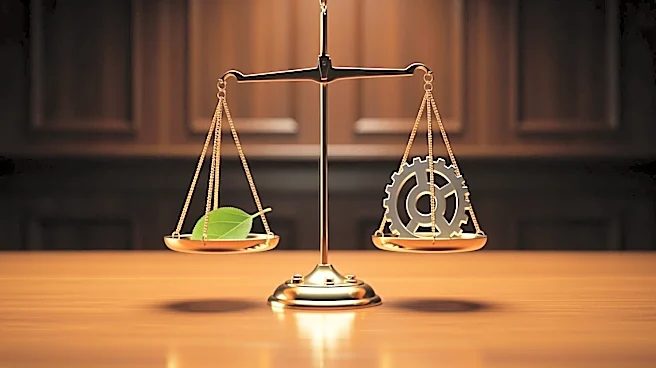
This ruling is significant as it sets a precedent for how environmental damage cases involving large corporations and federal interests are handled. By moving the case to federal court, Chevron and potentially other companies may find it easier to contest large financial judgments. This could impact the ability of local jurisdictions to seek reparations for environmental damage. The decision also highlights the ongoing tension between economic interests and environmental conservation, particularly in regions like Louisiana where the oil and gas industry is a major employer. The outcome of this case could influence future litigation strategies for both corporations and environmental advocates.
What's Next?
Following the Supreme Court's decision, Chevron will likely continue to litigate the case in federal court, where it hopes to overturn the $745 million judgment. This could lead to prolonged legal battles as Plaquemines Parish and other affected parties seek to hold Chevron accountable. The ruling may encourage other companies involved in federal contracts to pursue similar legal strategies, potentially leading to more cases being moved to federal courts. Environmental groups and local governments may need to adjust their legal approaches to address these challenges.