



What's Happening?
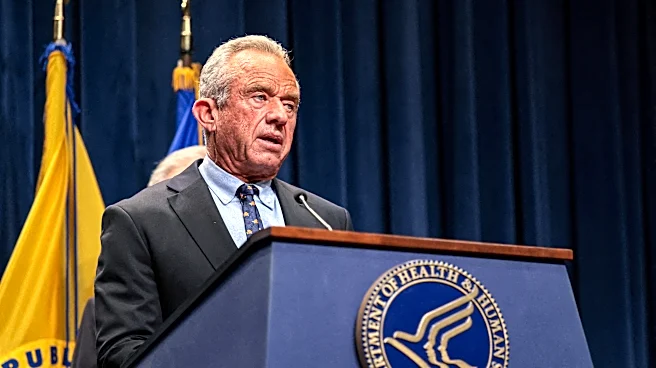
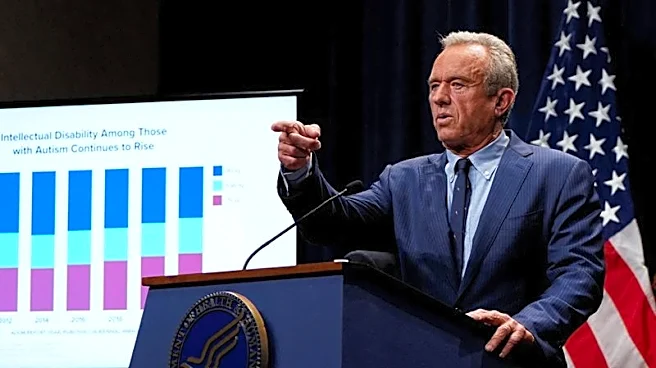
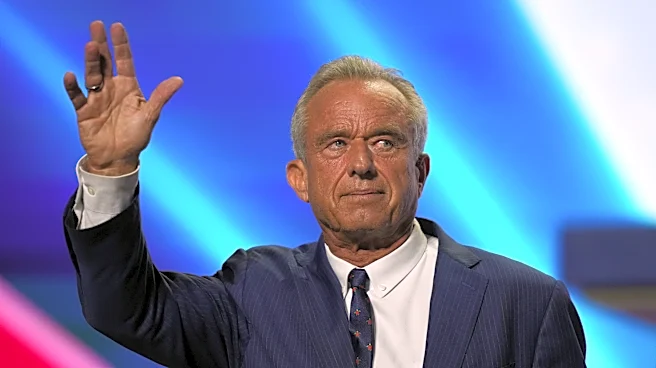
A nonprofit organization associated with Robert F. Kennedy Jr., known as MAHA, reportedly solicited corporate sponsorships of up to $300,000 in exchange for access to U.S. health officials. These sponsorship packages allegedly included opportunities for speaking
slots at events and private dinners with prominent leaders. The upcoming summit organized by MAHA is expected to feature executives from both the technology and healthcare sectors. Furthermore, senior officials from the Department of Health and Human Services (HHS) and the Centers for Medicare & Medicaid Services (CMS) are slated to participate in this event. This arrangement has raised concerns regarding the potential for paid access to government policymakers and the influence of private entities on public health policy.
Why It's Important?
This development is significant as it touches upon the ethical boundaries of lobbying and access to government officials, particularly within the critical public health sector. If confirmed, the practice of offering direct access to high-ranking health officials in exchange for substantial financial contributions could undermine public trust in government institutions and decision-making processes. It raises questions about whether policy decisions could be influenced by the financial interests of corporate sponsors rather than the public good. For U.S. industries, particularly in healthcare and technology, such arrangements could create an uneven playing field, where smaller entities or those unwilling to pay large sums might be disadvantaged in advocating their positions or concerns to policymakers. This situation could also lead to increased scrutiny of the interactions between government agencies and private organizations, potentially prompting calls for greater transparency and stricter regulations on lobbying activities and access to public officials.
What's Next?
The report is likely to trigger increased scrutiny from watchdog groups, media, and potentially congressional committees regarding the nature of MAHA's fundraising practices and its interactions with U.S. health officials. There could be calls for investigations into whether any ethical guidelines or regulations were violated. Government agencies like HHS and CMS may face pressure to clarify their policies regarding participation in events sponsored by organizations that offer paid access to their officials. Robert F. Kennedy Jr. and MAHA will likely need to address these allegations publicly, potentially defending their practices or implementing changes to their sponsorship models. This situation could also lead to broader discussions about campaign finance reform and the influence of money in politics, especially concerning access to government decision-makers.
Beyond the Headlines
The implications extend beyond immediate ethical concerns, touching upon the broader issue of transparency and accountability in the intersection of private funding and public policy. This incident could highlight a systemic vulnerability where financial contributions might inadvertently or intentionally create preferential access, potentially skewing policy outcomes. It raises fundamental questions about the integrity of public service and the perception of fairness in a democratic system. The long-term shift could involve a re-evaluation of how non-profit organizations, especially those with political affiliations, engage with government bodies, potentially leading to more stringent disclosure requirements for such interactions. Culturally, it could further erode public trust in institutions, fostering cynicism about the motivations behind policy decisions and the accessibility of government to ordinary citizens versus well-funded interests.