





What's Happening?
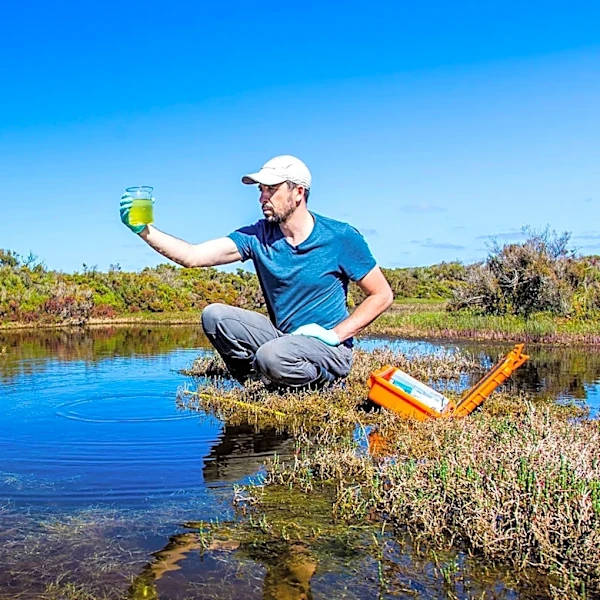
CSIRO, an Australian research organization, is leveraging its extensive experience in treating complex water from the mining sector to address water security challenges in regional Australia. For decades, CSIRO has developed deep expertise in managing
and treating water in harsh mining environments, where activities like ore processing and tailings management can leave water saline, acidic, or laden with dissolved minerals. This specialized knowledge is now being applied to help various industries and communities overcome issues such as variable groundwater quality, limited infrastructure, and expensive waste disposal. The organization is implementing tailored solutions based on local water chemistry, operating conditions, and user needs, rather than using a one-size-fits-all approach. Several projects have already demonstrated success in recovering more usable water, reducing waste, and strengthening water security across different regional settings in Australia.
Why It's Important?
The application of mining water treatment expertise to broader regional water security is crucial for several reasons. Regional areas often face significant water challenges due to climate pressures, increasing demand, and local water-quality constraints. By adapting advanced water treatment technologies developed for mining, CSIRO is helping to create more resilient water supplies for communities and other industries, such as agriculture. This initiative can reduce environmental burdens associated with water treatment and disposal, while also generating economic and community value. For instance, recovering water from abattoir waste or difficult brine streams not only provides a valuable resource in drought-prone areas but also minimizes the need for costly disposal methods. This approach fosters local capability and self-sufficiency in water management, which is vital for sustainable development in regions with limited access to reliable water sources.
What's Next?
CSIRO plans to continue expanding the application of its mining-derived water treatment technologies to various sectors and communities across Australia. The organization is focusing on developing and implementing solutions that are designed around specific local needs and can be operated and maintained by local personnel. This includes ongoing trials of advanced membrane technologies, such as forward osmosis and reverse osmosis, to increase water recovery from diverse waste streams. Furthermore, CSIRO is exploring innovative approaches, such as converting difficult brine into a valuable resource by combining it with captured carbon dioxide. The goal is to transition these pilot and prototype units into full-scale applications, thereby enhancing water resilience, reducing environmental impacts, and creating new economic opportunities in water-stressed regions. Continued collaboration with local partners and training organizations will be key to ensuring the long-term success and sustainability of these water management solutions.
Beyond the Headlines
The initiative by CSIRO highlights a broader trend of cross-sectoral innovation, where specialized knowledge from one industry, like mining, is repurposed to solve critical challenges in other areas. This approach not only addresses immediate water security concerns but also fosters a more sustainable and circular economy by transforming waste streams into valuable resources. Ethically, it underscores the responsibility of industries with significant environmental footprints, such as mining, to contribute to solutions that benefit society and the environment beyond their direct operations. Culturally, empowering local communities with the knowledge and tools to manage their water resources promotes self-determination and resilience, particularly for Indigenous communities. This transfer of expertise can lead to long-term shifts in how water resources are managed, moving towards more localized, adaptable, and environmentally conscious systems that are less reliant on large-scale, centralized infrastructure.