

What's Happening?
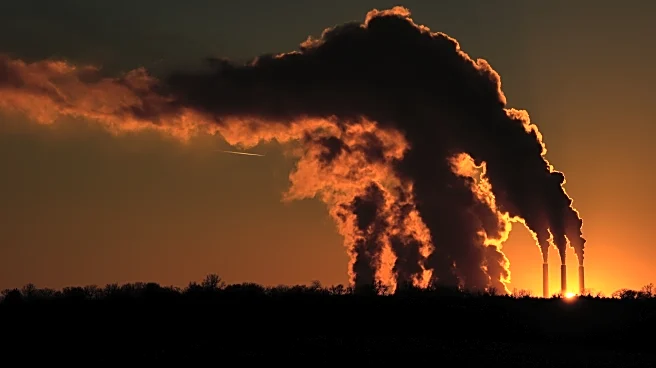
The Trump administration has repealed a key scientific determination that supports federal greenhouse gas regulations, marking a significant shift in U.S. climate policy. This decision has sparked criticism from environmentalists who argue that it undermines
efforts to combat climate change. The reversal is expected to affect various policies aimed at reducing pollution and addressing climate-related issues. Critics, including the Sierra Club, have expressed concerns about the potential health and environmental consequences, particularly in regions like the Midwest, which are experiencing extreme weather events linked to climate change.
Why It's Important?
This policy reversal represents a major departure from previous U.S. commitments to address climate change and could have far-reaching implications for environmental regulations. The decision may benefit industries reliant on fossil fuels by reducing regulatory burdens, but it also raises concerns about the long-term environmental and public health impacts. The move could influence international climate agreements and the U.S.'s role in global environmental leadership. Stakeholders, including environmental groups, policymakers, and industry leaders, are likely to engage in debates over the balance between economic interests and environmental protection.
What's Next?
Legal challenges to the administration's decision are anticipated, as states and environmental organizations may seek to block the repeal through the courts. The outcome of these legal battles could shape the future of U.S. climate policy and regulatory frameworks. Additionally, the decision may become a focal point in upcoming political campaigns, influencing voter sentiment and policy platforms. The broader implications for international climate negotiations and the U.S.'s environmental commitments will also be closely monitored.