







What's Happening?
The U.S. Department of Homeland Security has announced a new rule that limits international students to a maximum of four years of study in the United States. This change, effective September 15, replaces the previous 'duration of status' system, which
allowed students to remain in the country for the entirety of their academic program. Under the new rule, students who require more than four years to complete their studies must apply for an extension through an immigration officer or leave the U.S. and reapply for a new visa. The rule also reduces the time students have to leave the country after completing their program from two months to one. This policy aims to enhance national security and improve oversight of higher education institutions.
Why It's Important?
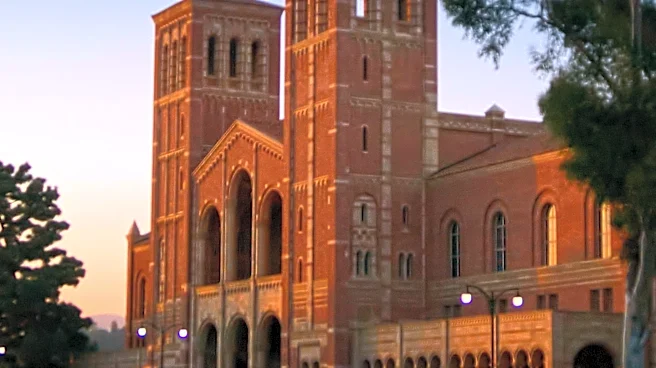
The new visa rule could significantly impact international students and U.S. universities. Many graduate programs, particularly in fields like physics and astronomy, often take longer than four years to complete. This change may deter international students from enrolling in U.S. institutions, potentially reducing the diversity and talent pool in American academia. Universities might face challenges in attracting top international talent, which could affect research output and innovation. Additionally, the rule could strain administrative resources as institutions and students navigate the new application processes for visa extensions.
What's Next?
As the rule takes effect, universities and students will need to adjust to the new requirements. Institutions may need to provide additional support to international students to help them complete their programs within the four-year limit or assist with visa extension applications. The policy could prompt discussions among educational and governmental bodies about the balance between national security and maintaining the U.S. as a leading destination for international students. Stakeholders may advocate for further adjustments or exceptions to the rule to accommodate longer academic programs.