

What's Happening?
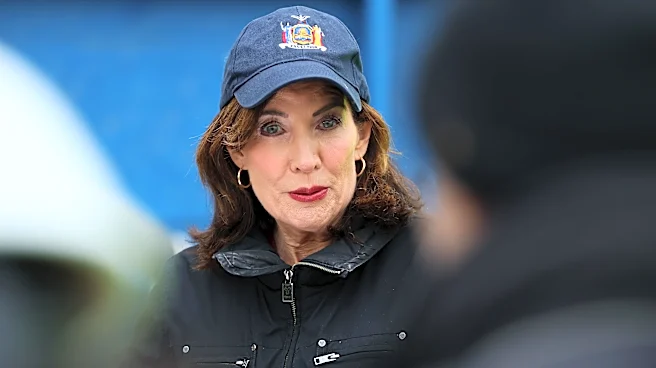
Over two dozen advocacy groups have formally requested Governor Kathy Hochul to establish an independent panel to overhaul the New York State Department of Transportation (NYSDOT). These groups, which include transportation, environmental, and disability
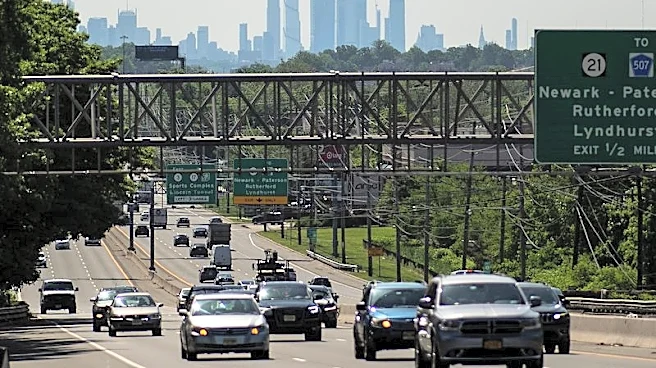
justice organizations, contend that NYSDOT's 'car-first' approach to planning and road design has resulted in unsafe, costly, and poorly maintained roads, while neglecting alternative transportation options. They argue that the state expands highways it already struggles to maintain, using outdated financial models. The letter to Governor Hochul acknowledged her suspension of NYSDOT's plans to widen the Cross Bronx Expressway but emphasized that the underlying flawed planning assumptions persist. The groups cited several other projects reflecting this 'car-first' approach, such as the widening of the Van Wyck Expressway and Route 17, and criticized the agency's resistance to local requests for 'Complete Streets' safety projects.
Why It's Important?
This collective call for an overhaul of NYSDOT highlights a significant policy debate within New York State regarding infrastructure priorities and resource allocation. The advocates' concerns about unsafe roads, deferred maintenance, and insufficient investment in non-MTA transit, intercity passenger rail, and aviation point to potential systemic issues affecting public safety, environmental sustainability, and equitable access to transportation. A 'car-first' approach can lead to increased vehicle miles traveled, contributing to carbon emissions and urban sprawl, while neglecting the needs of pedestrians, cyclists, and public transit users. If Governor Hochul acts on these recommendations, it could lead to a fundamental shift in how New York plans and funds its transportation infrastructure, potentially reallocating resources towards more sustainable and multimodal solutions, which would have broad implications for urban development, public health, and economic accessibility across the state.
What's Next?
Governor Hochul's office has indicated that she will review the letter from the advocacy groups. State Senate Transportation Chair Jeremy Cooney (D-Rochester) has also expressed openness to discussion, signaling potential legislative interest in the matter. The groups are pushing for an independent, transparent review of NYSDOT's practices, followed by changes in how the agency plans, spends, and delivers projects. They specifically recommend a panel of outside experts to examine highway expansion policies and suggest ways to accelerate safe, affordable travel options for all New Yorkers, regardless of age, income, or disability. The timing of this request is critical, as the state is currently preparing its next five-year capital plan and NYSDOT is working on long-range '2050' planning documents. Any decision by Governor Hochul to establish such a panel could initiate a significant re-evaluation of New York's transportation future.
Beyond the Headlines
The push for an overhaul of NYSDOT reflects a broader national trend where states are re-evaluating their transportation policies to prioritize sustainability, equity, and multimodal options over traditional highway expansion. The advocates' comparison of their requests to overhauls at other struggling agencies, like the Office of Cannabis Management, suggests a belief that systemic issues require external intervention. The Brookings Institution study, which ranked New York 49th among states for transportation planning, investment, and accountability, provides an external validation of the concerns raised. This situation underscores the challenge of reforming entrenched bureaucratic structures and the political will required to implement significant policy changes. Success in New York could serve as a model for other states grappling with similar issues, potentially influencing national conversations about infrastructure investment and urban planning.