






What's Happening?
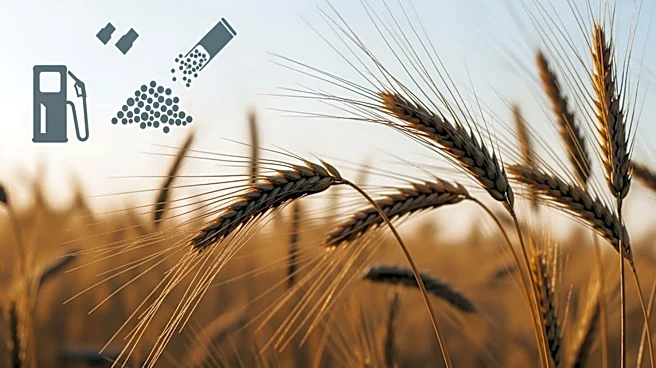
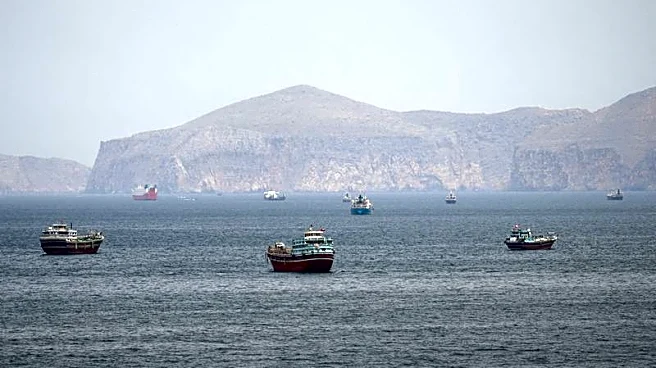
The Food and Agriculture Organization of the United Nations (FAO) has reported that average world cereal prices rose in May to a 19-month high. This increase is attributed to cost pressures in fuel and fertiliser, exacerbated by the blockade of the Strait
of Hormuz. The blockade has been in place since the US-Israel conflict with Iran began in late February, affecting around 40% of the world's fertiliser supply from the Middle East. The FAO's monthly report, which tracks five key commodities, highlights the risks to global food prices from a potential reduction in fertiliser use. The FAO food index, which includes cereals, meat, dairy, oils, and sugar, dipped slightly by 0.2% in May but was still 2.9% higher than the previous year. The cereals index specifically climbed 2.6% month-on-month and was up 5% from a year earlier, reflecting higher prices across all major cereals due to increased fuel and fertiliser costs globally and weather-related pressures.
Why It's Important?
The rise in cereal prices underscores the vulnerability of global food markets to disruptions in energy and input markets, as well as weather-related risks. The blockade of the Strait of Hormuz, a critical shipping route, has significant implications for the availability of fertilisers, which are essential for agricultural production. This situation could lead to reduced fertiliser use, further pressuring food prices and potentially leading to food insecurity in regions dependent on imports. The FAO's warning highlights the need for coordinated international action to address these challenges and ensure the stability of global food commodity markets. Rising cereal prices can affect consumers worldwide, particularly in countries with high import dependency, and may lead to increased costs for food producers and retailers.
What's Next?
Continued uncertainty affecting key trade routes, including the Strait of Hormuz, could lead to further disruptions in fertiliser supply and increased pressure on food prices. The FAO emphasizes the importance of international cooperation to mitigate these risks and stabilize food markets. Stakeholders, including governments and international organizations, may need to explore alternative supply routes and invest in sustainable agricultural practices to reduce dependency on vulnerable trade routes. Additionally, monitoring weather patterns and their impact on agricultural production will be crucial in managing future price fluctuations.
Beyond the Headlines
The current situation highlights the interconnectedness of global trade routes and their impact on food security. The blockade of the Strait of Hormuz not only affects fertiliser supply but also serves as a reminder of the geopolitical tensions that can disrupt essential commodities. This event may prompt discussions on diversifying supply chains and investing in local agricultural production to reduce reliance on imports. Furthermore, the rising prices of cereals and other food commodities could lead to increased scrutiny of agricultural policies and practices, encouraging innovation and sustainability in food production.