


What's Happening?
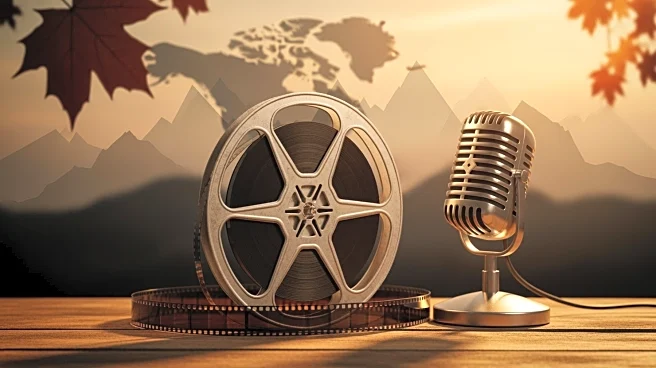
Zach Dunn, a Canadian filmmaker, has embarked on a mission to document and preserve the stories of veterans from World War II to the Vietnam War. His journey began in 2021 when he discovered a box of his grandfather's World War II memorabilia, which sparked
his interest in uncovering untold stories of veterans. Dunn, who was unaware of his grandfather's military service, was inspired to learn more about his family's history and the experiences of other veterans. Over the past four years, Dunn has interviewed approximately 170 veterans, including those from the U.S. and other countries. His work involves traveling across Canada to capture these narratives, which he shares with non-profit organizations, schools, and the veterans' families. Dunn's efforts aim to bridge the knowledge gap about historical military events and ensure that the sacrifices and experiences of veterans are not forgotten.
Why It's Important?
Dunn's project holds significant cultural and educational value, as it helps preserve the personal histories of veterans who have often remained silent about their experiences. By documenting these stories, Dunn contributes to a broader understanding of historical events and the personal sacrifices made by military personnel. This initiative not only honors the veterans but also serves as an educational resource for future generations, providing firsthand accounts of war experiences. The project highlights the importance of oral history in preserving cultural heritage and ensuring that the lessons of the past are accessible to younger audiences. Additionally, it underscores the need for greater awareness and appreciation of veterans' contributions, fostering a sense of gratitude and respect within society.
What's Next?
Dunn plans to continue his work by collaborating with veterans' service organizations and educational institutions to present the stories he has collected. He aims to expand his reach and engage more communities in understanding the historical significance of veterans' experiences. By increasing public access to these narratives, Dunn hopes to inspire others to explore their own family histories and recognize the value of preserving personal stories. His ongoing efforts may also encourage other filmmakers and historians to undertake similar projects, further enriching the collective memory of military history.
Beyond the Headlines
Dunn's project raises important questions about the role of memory and storytelling in shaping cultural identity. It highlights the ethical responsibility to document and share the experiences of those who have served in the military, ensuring that their sacrifices are acknowledged and remembered. The initiative also reflects broader societal shifts towards valuing diverse perspectives and recognizing the contributions of individuals from different backgrounds. By focusing on veterans' stories, Dunn's work contributes to a more inclusive historical narrative that honors the complexity and diversity of military service.