



What's Happening?
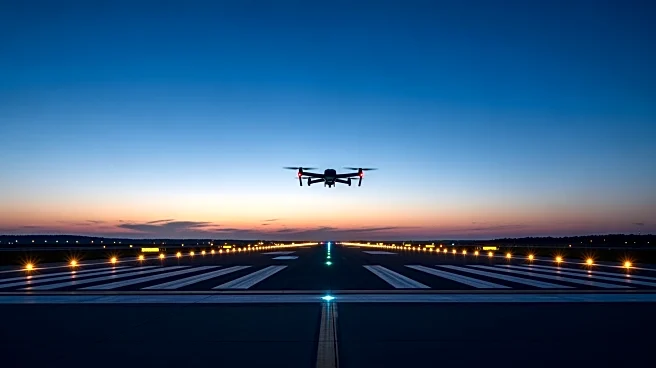
The Federal Aviation Administration (FAA) has lifted emergency flight restrictions at El Paso International Airport in Texas. The restrictions were initially imposed due to security concerns involving Mexican cartel drones breaching U.S. airspace. The Pentagon
intervened to disable the drones, and after assessing the situation, the FAA and Pentagon concluded there was no threat to commercial travel. The flight ban, which was unprecedented since the post-9/11 grounding of flights, affected commercial, cargo, and general aviation flights, stranding numerous aircraft from major airlines. The FAA had initially warned that the restrictions could last for 10 days, but they were lifted after the security threat was neutralized.
Why It's Important?
The lifting of the flight restrictions is significant as it restores normalcy to a major transportation hub that handles approximately 4 million passengers annually. The incident highlights ongoing security challenges at the U.S.-Mexico border, particularly concerning the use of drones by drug cartels. The FAA's response underscores the importance of maintaining airspace security and the potential impact of such threats on commercial aviation. The situation also reflects broader geopolitical tensions and the U.S. government's commitment to addressing cross-border security issues.
What's Next?
With the immediate threat neutralized, airlines and passengers can expect a return to regular operations at El Paso International Airport. However, the incident may prompt further discussions and actions regarding border security and the use of counter-drone technology. The FAA and other federal agencies might consider implementing additional measures to prevent similar incidents in the future. Stakeholders, including airlines and local authorities, will likely review protocols to enhance preparedness for potential security threats.