





What's Happening?
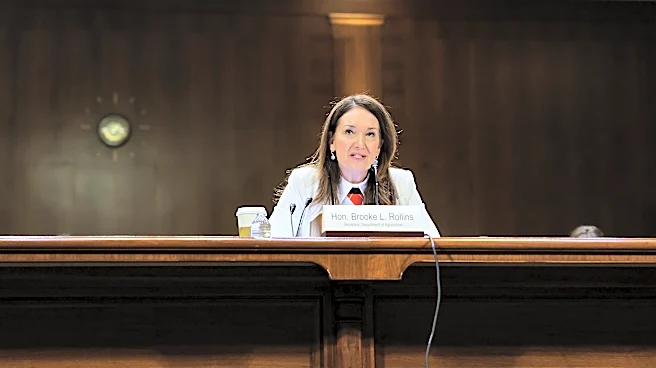
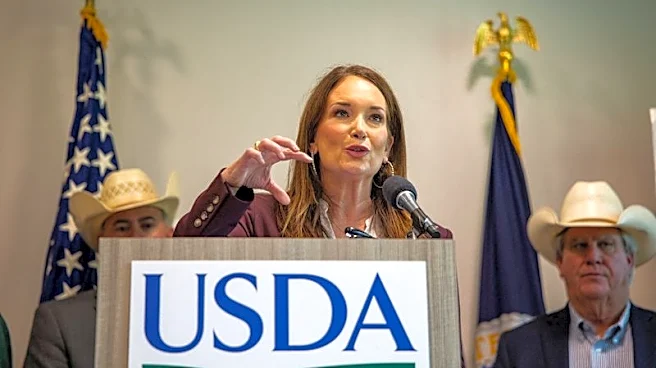
Agriculture Secretary Brooke Rollins has received a letter from the National Association of State Departments of Agriculture (NASDA) and the National Assembly of State Animal Health Officials (NASAHO), urging the US Department of Agriculture (USDA) to
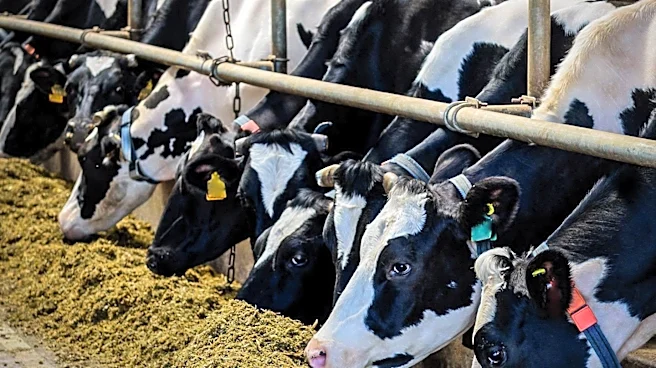
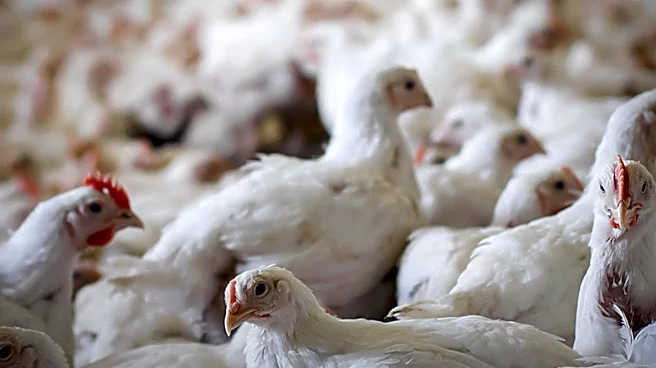
adopt a voluntary national emergency vaccination framework for dairy cattle. This initiative, proposed to begin with a limited pilot program, aims to combat the continued circulation of highly pathogenic avian influenza (HPAI) H5N1 in dairy herds. The organizations emphasize that while existing measures like surveillance, biosecurity, and movement management are crucial, vaccines are a necessary additional tool. As of July 2025, 17 states have reported commercial poultry losses linked to dairy operations, with 115 domestic flocks infected by the B3.13 strain, leading to the loss of over 36 million birds and an estimated $360 million in indemnity costs. Some affected dairies have experienced revenue losses up to $700,000, highlighting the severe economic impact of the virus.
Why It's Important?
The call for a dairy cattle vaccine strategy is critical for protecting the U.S. agricultural sector, particularly the dairy and poultry industries, from significant economic losses. HPAI H5N1 not only causes direct losses through animal culling and reduced production but also impacts the beef supply due to early culling of sick cows and late-term abortions. The current integrated disease control strategy, while effective in early detection through measures like the National Milk Testing Strategy, is deemed insufficient without the inclusion of veterinary countermeasures. Implementing a vaccine program could reduce disease spread, advance HPAI eradication, and provide state animal health officials with a vital tool to manage outbreaks. This proactive approach could safeguard food security, stabilize agricultural markets, and prevent further financial devastation for farmers and related industries across the nation.
What's Next?
The USDA, under Agriculture Secretary Brooke Rollins, will need to evaluate the proposal for a voluntary national emergency vaccination framework for dairy cattle. This evaluation will likely involve assessing the scientific viability of available vaccines, logistical challenges of implementation, and potential economic impacts. Stakeholders, including state agricultural departments, animal health officials, and dairy industry representatives, will likely continue to advocate for the adoption of this strategy. If approved, the USDA would then proceed with developing and launching a limited pilot program, which would be crucial for testing the effectiveness and feasibility of a broader national rollout. The decision will significantly influence the future of HPAI management in U.S. livestock and could set a precedent for future disease control strategies.
Beyond the Headlines
The push for an HPAI vaccine in dairy cattle highlights a broader shift in disease management strategies within the agricultural sector, moving towards more comprehensive and proactive veterinary countermeasures. This development could signal increased investment in animal health research and vaccine development, potentially leading to more robust defenses against future zoonotic diseases. Ethically, the introduction of vaccines raises questions about animal welfare, public perception of vaccinated livestock products, and the balance between disease control and natural farming practices. Legally, the framework for a national emergency vaccination program would require careful consideration of state and federal authorities, funding mechanisms, and potential liability issues. Culturally, consumer acceptance of vaccinated dairy products will be a key factor in the success of such a program, necessitating transparent communication from agricultural authorities.