






What's Happening?
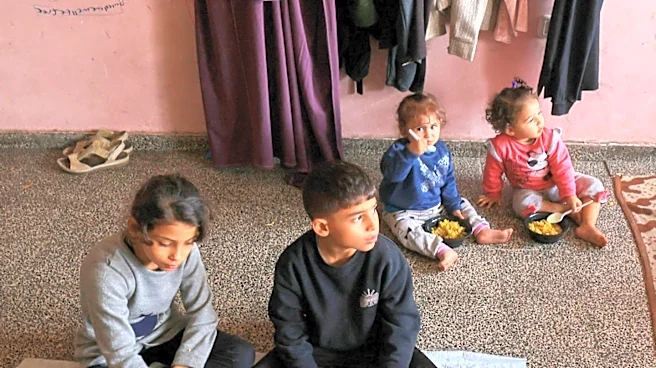
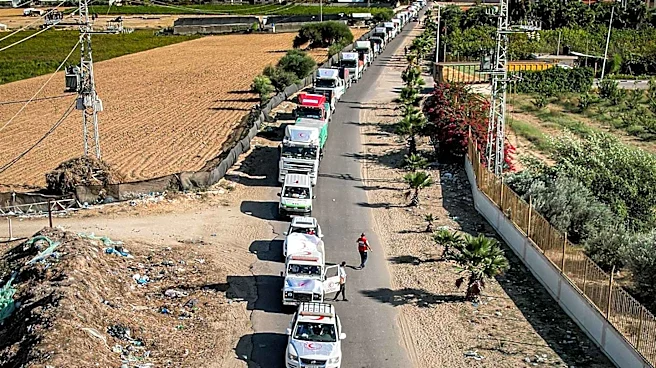
The United Nations and its humanitarian partners are continuing to deliver aid and respond to the needs of people in Gaza, despite significant ongoing challenges. Efforts include bringing in more fuel to sustain essential services and collecting medical,
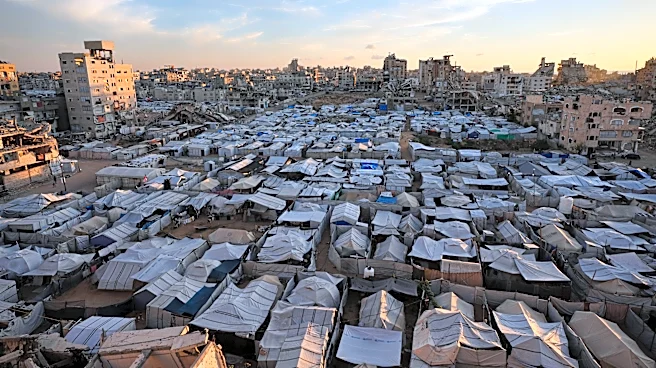
educational supplies, and food from the Kerem Shalom crossing. However, a severe lack of funding for fuel is threatening to slow down critical operations such as healthcare, water provision, rescue efforts, and debris removal. Water and sanitation support is also being hampered by funding shortfalls and restrictions on the entry of vital supplies, including engine oil, spare parts, and equipment needed for water-related vehicles and machinery. Maintenance issues at two desalination plants in southern Gaza have already led to reduced water production, resulting in rationing for approximately 500,000 people in Deir al Balah and Khan Younis. Across Gaza, about three out of four families depend on truck-delivered water until infrastructure can be fully restored. The UN and partner agencies have distributed household and hygiene items, but shortages of import-restricted items have at times forced reliance on less efficient methods for waste collection. Approvals are urgently needed for sustained access to Gaza’s two landfills to prevent waste accumulation in populated areas.
Why It's Important?
The ongoing humanitarian crisis in Gaza, exacerbated by funding shortfalls and restrictions on essential supplies, poses a severe threat to the health and well-being of its population. The rationing of drinking water for half a million people and the reliance on truck-delivered water for a majority of families underscore the fragility of basic services. A dangerous slowdown in healthcare, water provision, and sanitation due to lack of fuel and critical parts could lead to widespread public health emergencies, including the spread of waterborne diseases. The inability to access landfills and effectively manage waste further compounds these risks, creating unsanitary conditions that can quickly escalate into larger crises. The situation highlights the critical need for sustained international funding and unimpeded access for humanitarian aid to prevent a further deterioration of living conditions and avert a larger catastrophe. The restrictions on 'dual-use' items, which include essential components for water infrastructure, demonstrate how broader political and security concerns can directly impact humanitarian operations and the daily lives of civilians.
What's Next?
The immediate future for Gaza hinges on increased funding for fuel and the easing of restrictions on critical supplies. Without these, a dangerous slowdown in essential services, including healthcare and water provision, is imminent. Humanitarian partners are urgently calling for more financial support to prevent this decline. Additionally, approvals for sustained access to Gaza’s two landfills are crucial to prevent the accumulation of waste in populated areas, which could lead to significant health hazards. The UN and its partners will likely continue to advocate for these measures, emphasizing the humanitarian imperative to maintain basic services. The international community's response to these calls for funding and access will determine the extent to which the humanitarian crisis can be mitigated or whether it will deepen further, potentially leading to more widespread suffering and public health emergencies.
Beyond the Headlines
The challenges faced by humanitarian organizations in Gaza extend beyond immediate aid delivery, touching upon deeper issues of infrastructure resilience, international cooperation, and the impact of prolonged conflict on civilian populations. The reliance on truck-delivered water and the vulnerability of desalination plants highlight the systemic fragility of essential services in the region. This situation underscores the need for long-term investment in robust infrastructure that can withstand conflict and political instability, rather than relying solely on emergency aid. Furthermore, the restrictions on 'dual-use' items, which include components vital for water and sanitation, raise ethical questions about the balance between security concerns and humanitarian needs. The ongoing struggle to provide basic services in Gaza serves as a stark reminder of the complex interplay between political decisions, economic constraints, and the fundamental human right to water, sanitation, and health, pointing to a need for more sustainable and rights-based approaches to humanitarian assistance in conflict zones.