





What's Happening?
A significant heatwave is affecting over 125 million Americans across the United States, with heat alerts issued from Southern California to the Northeast. In the Northeast, cities like New York City, Philadelphia, and Washington, D.C. are experiencing
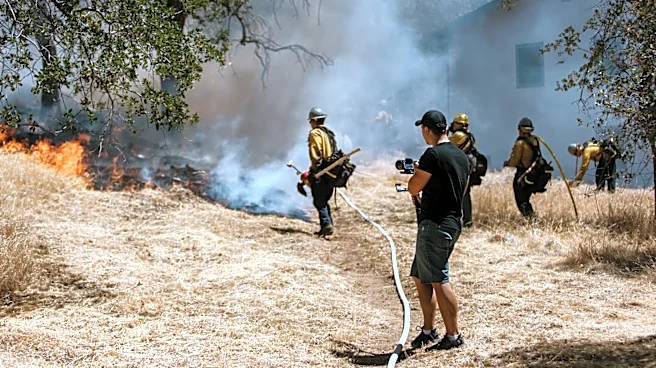
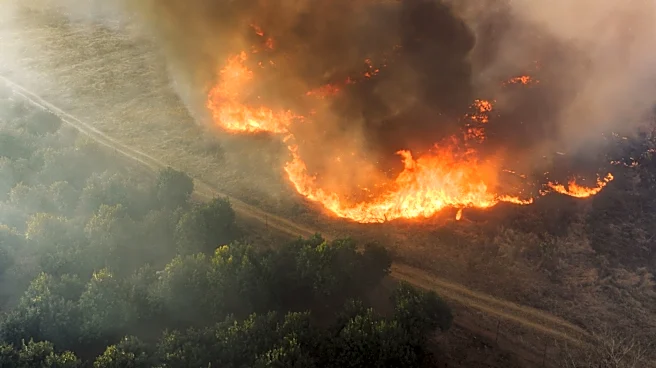
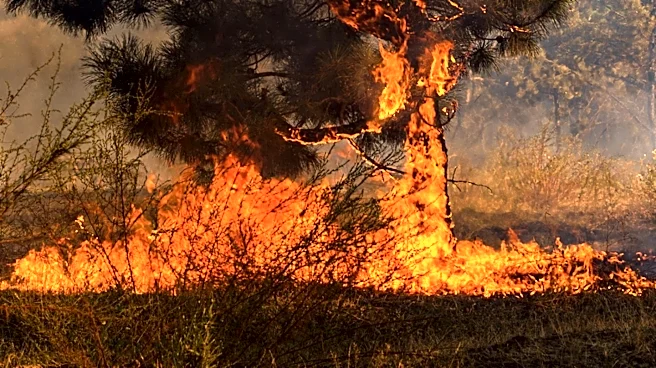
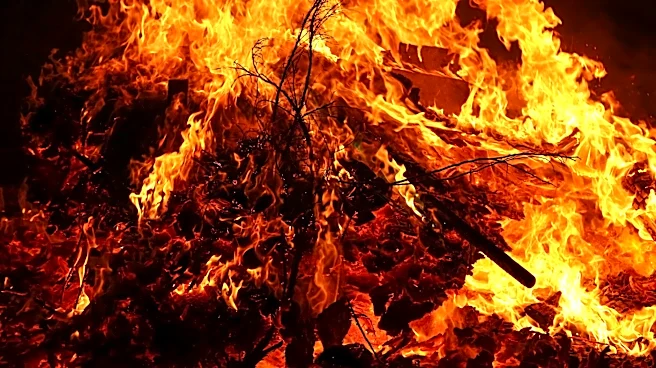
temperatures at or above 90 degrees, expected to last for up to five days. Concurrently, smoke from over 800 wildfires in Canada is drifting into the upper Midwest and Northeast, worsening air quality. The heat index in some areas, such as Philadelphia and Trenton, New Jersey, could reach up to 107 degrees. Meanwhile, Southern California is under heat alerts with temperatures reaching up to 105 degrees in interior valleys. The situation is compounded by severe weather threats in northern New England, where storms could bring destructive winds and hail.
Why It's Important?
The ongoing heatwave and poor air quality due to wildfire smoke pose significant health risks, particularly for vulnerable populations such as the elderly and those with pre-existing health conditions. The extreme temperatures can lead to heat-related illnesses, while the smoke exacerbates respiratory issues. The situation also highlights the broader impacts of climate change, as such extreme weather events become more frequent and severe. Economically, the heatwave could strain energy resources as demand for air conditioning rises, potentially leading to power outages. Additionally, the severe weather in New England could cause property damage and disrupt local economies.
What's Next?
As the heatwave continues, authorities are likely to maintain or extend heat advisories and warnings. Public health officials may issue additional guidance to mitigate health risks, such as recommending staying indoors and staying hydrated. Emergency services may be on high alert to respond to heat-related incidents. In the longer term, this event may prompt discussions on infrastructure resilience and climate adaptation strategies to better prepare for future extreme weather events.