

What's Happening?
UN agencies, including the World Food Programme (WFP) and the International Organization for Migration (IOM), have issued a stark warning regarding the deteriorating humanitarian situation in the Gaza Strip. Relentless winter rains have exacerbated the crisis,
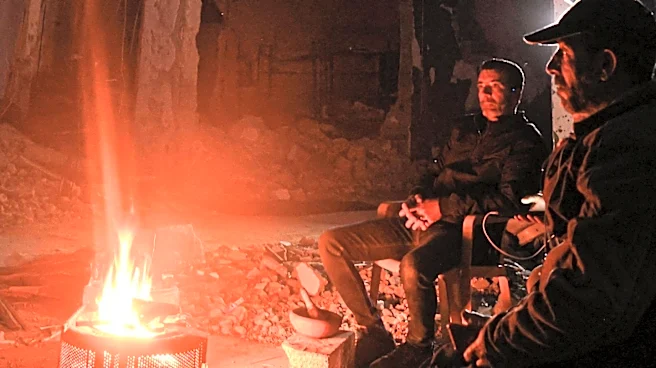
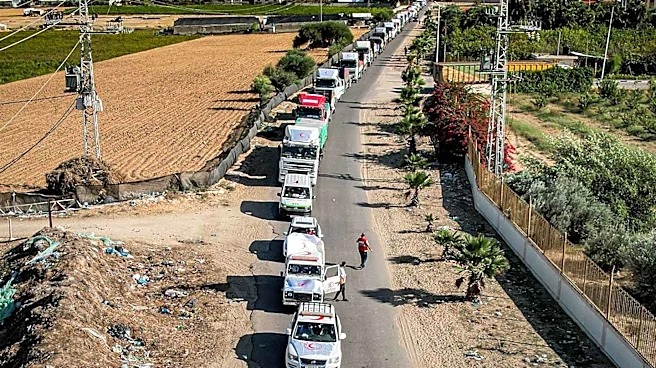
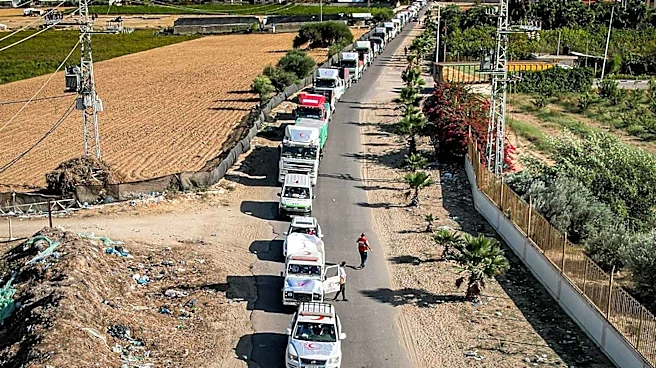
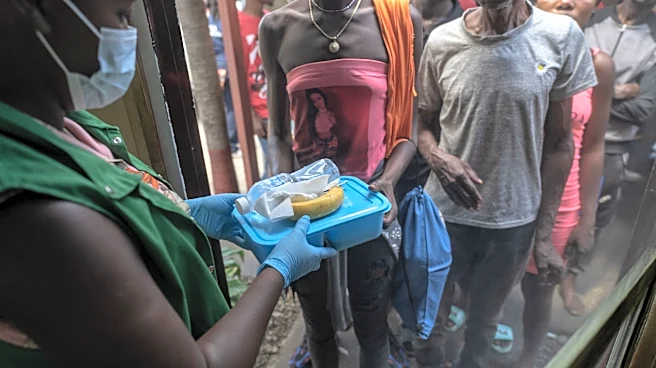
leading to flooded makeshift tents, destroyed food reserves, and worsening sanitation conditions for displaced Palestinians. Shaun Hughes, WFP country director for Palestine, reported that the WFP has been forced to reduce hot meal distributions in displacement camps from daily to every other day due to dwindling financial resources. Over 1.7 million people remain displaced, with approximately 1.4 million facing acute food insecurity. UN officials emphasize that Israeli military control over nearly 70 percent of Gaza severely limits residents' ability to grow food or fish, and unemployment exceeds 80 percent, making humanitarian assistance critical for survival. The agencies are urging for the opening of additional border crossings to ensure predictable access for humanitarian supplies.
Why It's Important?
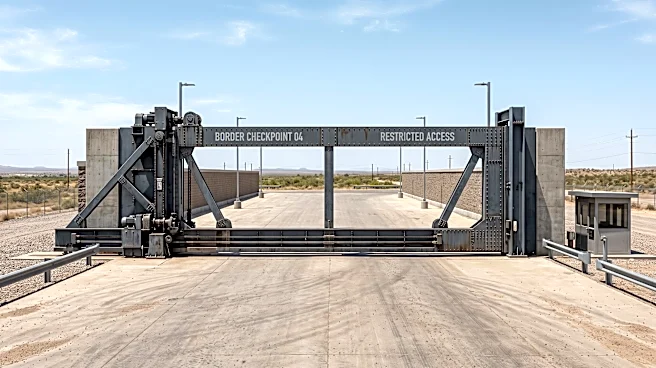
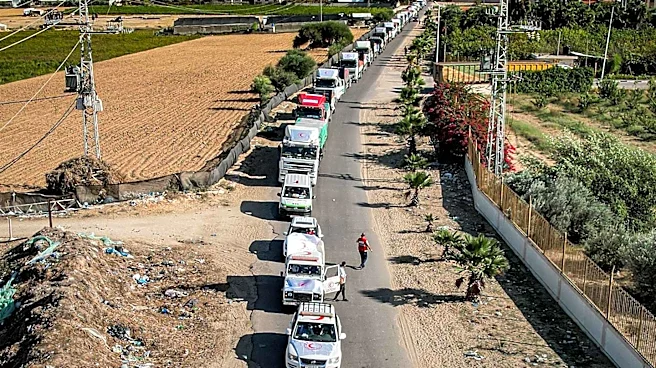
The escalating crisis in Gaza carries significant implications for international humanitarian efforts and regional stability. The severe funding shortfalls, with WFP facing a $436 million deficit over the next six months, threaten the ability of aid organizations to provide essential services to a population already on the brink. The continued restrictions on aid access, particularly at the Kerem Shalom/Kerem Abu Salem crossing, delay crucial winter supplies like heaters, fuel, and water pumps, further endangering vulnerable families. The UN's call for increased pressure on Israel to open more border crossings highlights the political and logistical challenges in delivering aid. The situation underscores the urgent need for sustained international donor support and diplomatic efforts to ensure humanitarian access, prevent a deeper food security crisis, and mitigate the health risks associated with poor sanitation and exposure to harsh winter conditions for nearly 2 million displaced individuals.
What's Next?
Without immediate intervention, the humanitarian emergency in Gaza is projected to intensify sharply throughout the winter months. UN agencies are calling for an immediate relaxation of entry restrictions for humanitarian supplies and a significant injection of donor funds to scale up the response. The WFP requires $436 million over the next six months to assist 2 million people across Palestine, while IOM needs $173 million for emergency shelter assistance and an additional $9 million for site improvements. Continued advocacy from UN members to pressure Israel into opening more border crossings will be crucial. The international community will likely face increasing calls to address the funding gaps and access limitations to prevent a catastrophic humanitarian collapse, particularly as winter conditions worsen and the vulnerability of displaced populations increases.
Beyond the Headlines
The ongoing humanitarian crisis in Gaza extends beyond immediate aid needs, touching upon deeper issues of human rights, international law, and the long-term viability of the region. The severe restrictions on movement and economic activity, coupled with repeated displacement, contribute to a cycle of dependency on external aid, hindering any prospects for self-sufficiency or economic recovery. The destruction of shelters and infrastructure, alongside the contamination of water sources, poses long-term public health challenges and environmental degradation. The situation also raises ethical questions about the responsibility of occupying powers to ensure the welfare of civilian populations and the effectiveness of international mechanisms in upholding humanitarian principles during conflict. The protracted nature of the crisis risks creating a lost generation, with profound psychological and developmental impacts on children and youth living in constant instability and deprivation.