


What's Happening?
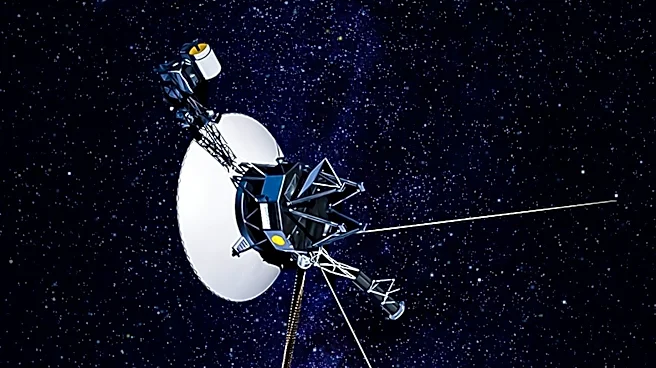
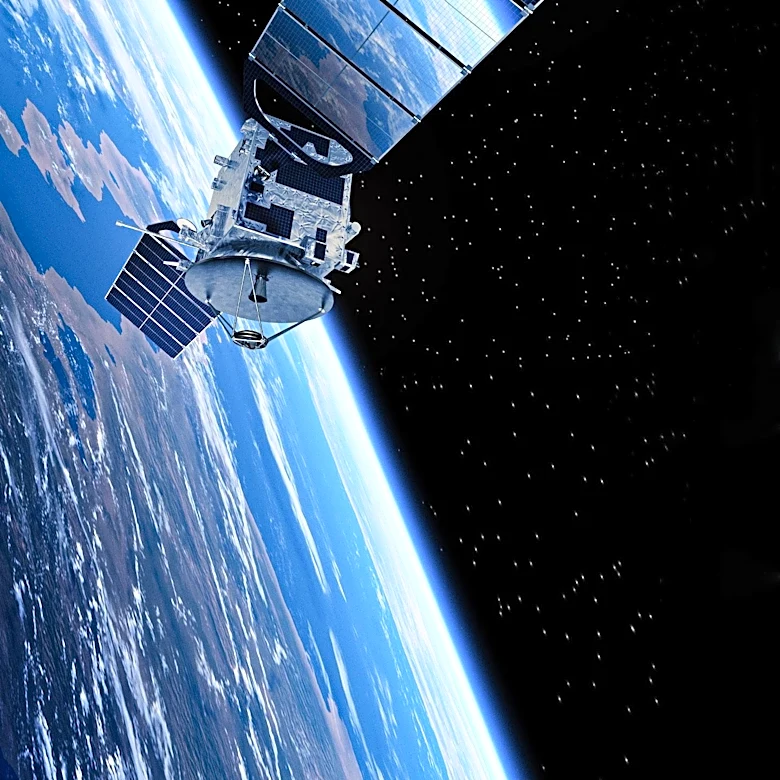
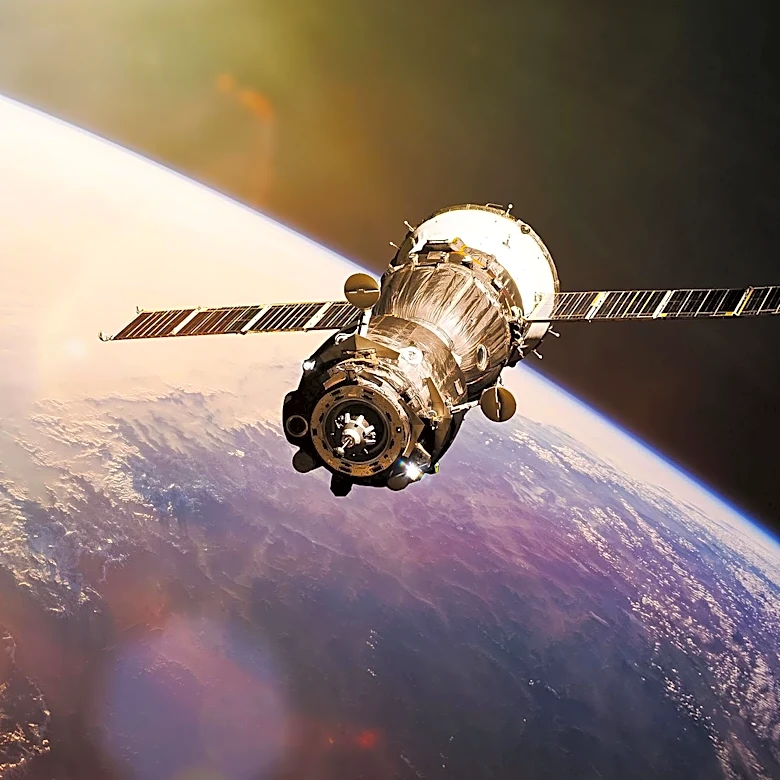
NASA's New Horizons spacecraft has been reactivated after a nearly yearlong hibernation at the edge of the solar system. The spacecraft, which is in 'good health' according to NASA, is set to continue its mission of exploring the boundary between the solar system and
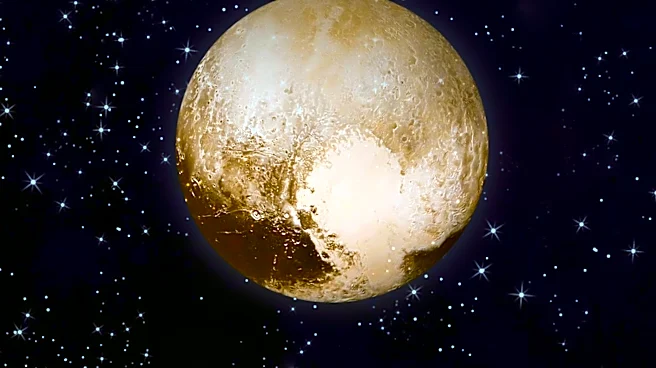
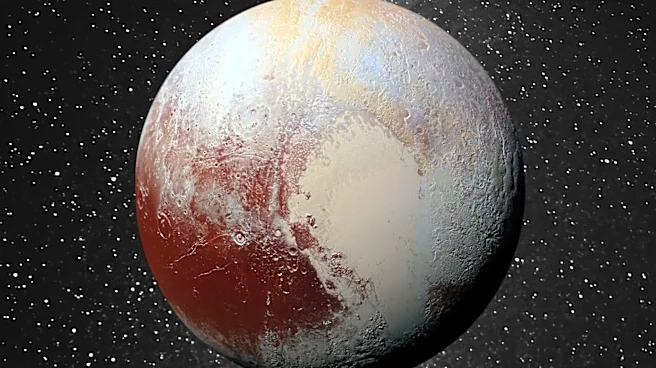
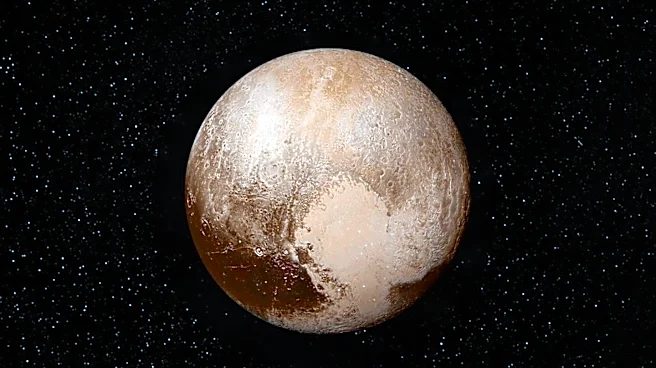
interstellar space. New Horizons, launched in 2006, is currently about 5.9 billion miles from Earth, making it one of the farthest working spacecraft. It previously made history by flying past Pluto in 2015 and the Kuiper Belt object Arrokoth in 2019. The spacecraft is now on a trajectory toward the heliopause, the outer edge of the sun's influence, where it will collect detailed data with its advanced instruments.
Why It's Important?
The reactivation of New Horizons is significant for space exploration as it continues to gather unprecedented data about the outer reaches of the solar system. This mission provides insights into the heliopause, a critical boundary that marks the transition from the solar system to interstellar space. The data collected by New Horizons could enhance our understanding of solar and cosmic phenomena, potentially influencing future space missions and scientific research. The mission also underscores NASA's capability to operate spacecraft over vast distances and long durations, contributing to the broader field of astrophysics and planetary science.
What's Next?
As New Horizons resumes its journey, it will conduct studies of hydrogen in the outer heliosphere and continue to send back data to Earth. The spacecraft's trajectory toward the heliopause will allow it to gather detailed information about this boundary, which could take several years to reach. The mission's progress will be closely monitored by scientists, and the data collected may lead to new discoveries about the solar system's structure and its interaction with interstellar space. The long-term goal is to push the boundaries of human knowledge about the universe.