
What's Happening?
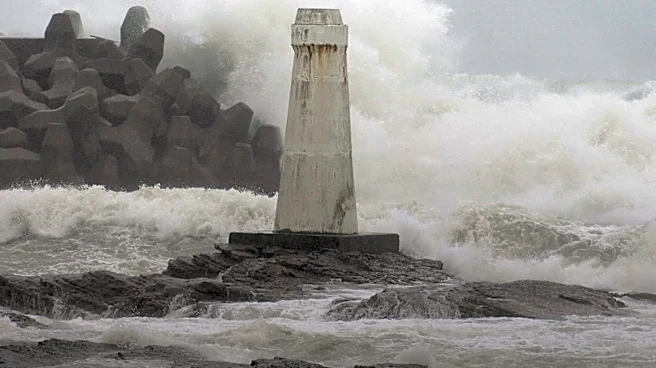
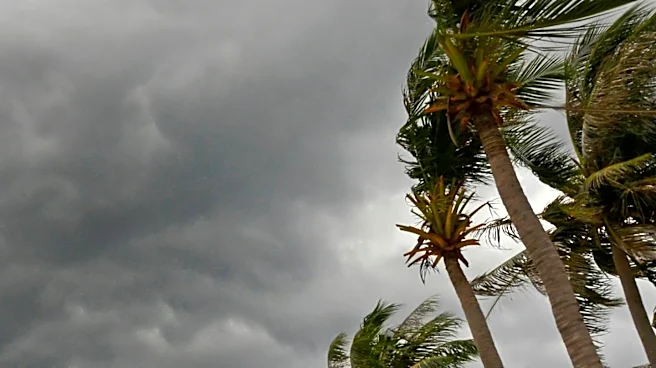
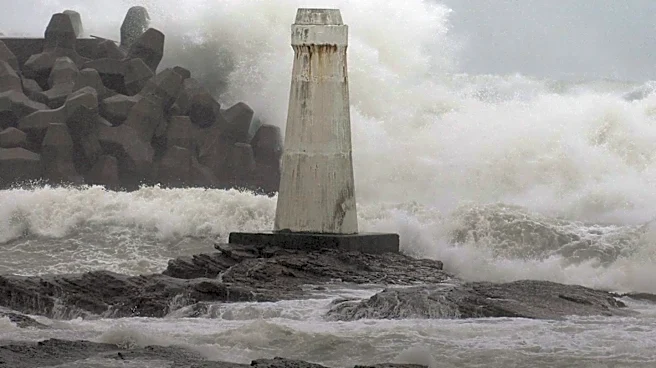
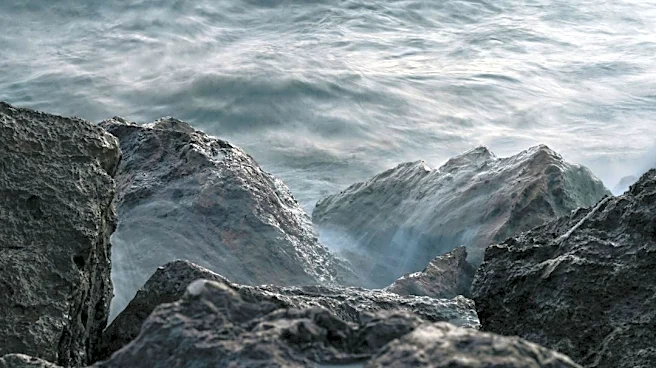
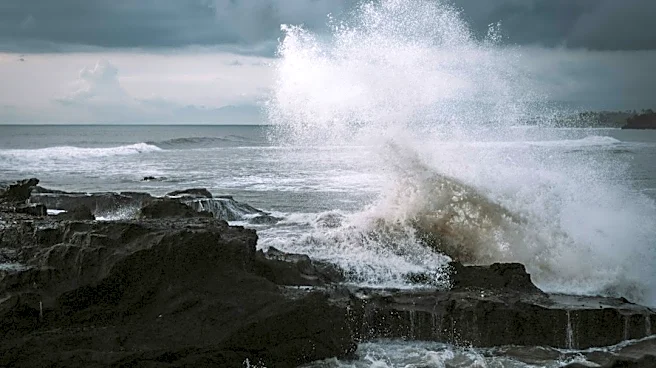
The Oregon coast is currently experiencing and is expected to continue facing severe weather conditions throughout the weekend, including high surf, sneaker waves, and strong winds. A high surf warning is in effect for the central coast until Saturday
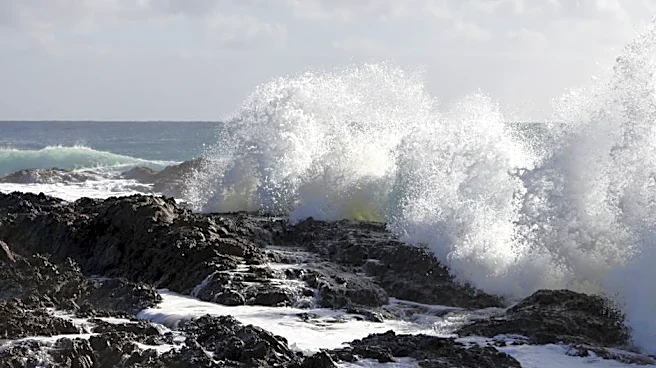
noon, with breakers anticipated to reach 30-35 feet. Tyler Kramz, a lead meteorologist with the National Weather Service in Portland, has issued warnings for the public to stay off the beaches due to the dangerous conditions. He emphasized that not only are the high waves a hazard, but rip currents and unpredictable sneaker waves can knock people over and drag them into the water. Kramz advised those wishing to observe the waves to do so from elevated, safe locations like cliffs or overlooks. The stormy weather will persist, with wind gusts potentially reaching 45-50 mph and continued high surf conditions into Saturday night.
Why It's Important?
This severe weather event on the Oregon coast carries significant importance due to the direct threat it poses to public safety and potential impacts on coastal infrastructure and local economies. The combination of high surf, sneaker waves, and strong winds creates extremely hazardous conditions for beachgoers, increasing the risk of drownings and injuries. For coastal communities, such events can lead to erosion, damage to property, and disruptions to maritime activities. Local businesses reliant on tourism may also experience a downturn during these periods. The National Weather Service's warnings are crucial for preventing tragedies and underscore the need for residents and visitors to adhere to safety guidelines, highlighting the ongoing challenges coastal regions face from natural weather phenomena.
What's Next?
The severe weather conditions, including high surf and strong winds, are expected to continue through the weekend. Authorities will likely maintain advisories and warnings, urging the public to exercise extreme caution and avoid beaches. Emergency services will remain on alert for potential rescue operations or storm-related incidents. Coastal communities will monitor for any damage to infrastructure or signs of significant erosion. Residents and visitors should stay informed through local weather updates and follow all safety recommendations from the National Weather Service and local officials. The focus will be on ensuring public safety until the hazardous conditions subside.
Beyond the Headlines
Beyond the immediate dangers, this recurring pattern of severe coastal weather raises broader questions about climate change impacts and long-term coastal management strategies in the U.S. Increased frequency or intensity of such events could necessitate significant investments in coastal protection, infrastructure resilience, and updated public safety protocols. The economic implications for coastal tourism and fishing industries are also considerable, potentially leading to shifts in local economies. Furthermore, the need for public education on the dangers of sneaker waves and rip currents is a continuous effort, as these phenomena are often underestimated by those unfamiliar with coastal environments. This event serves as a reminder of the dynamic interaction between human activity and natural forces, and the critical importance of preparedness and adaptation in vulnerable regions.