





What's Happening?
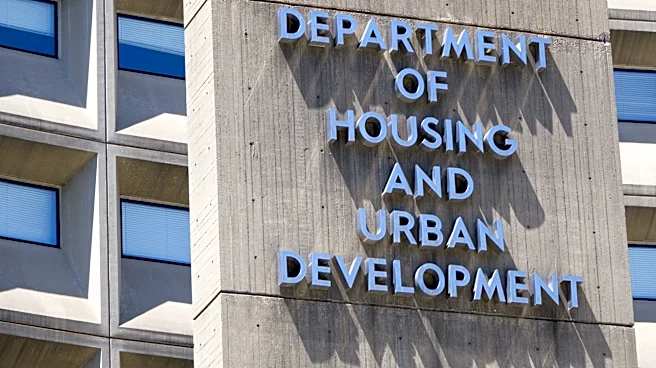
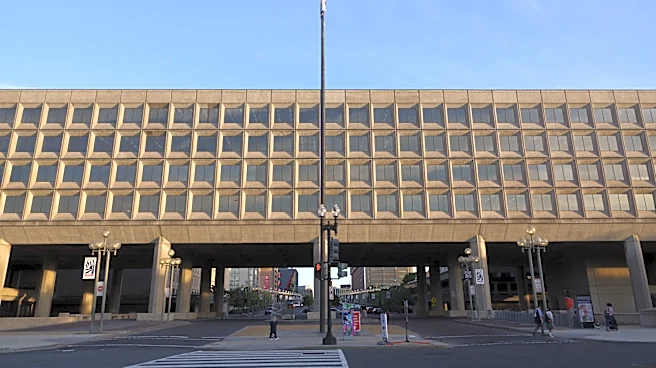
The U.S. Department of Housing and Urban Development (HUD) is undergoing a significant department-wide reorganization, transitioning from a geographic-based oversight model to a program-based one. This change, outlined in a Notice of Intent To Reorganize
HUD and Revise Headquarters and Field Operating Model, will impact key offices including the Office of General Counsel (OGC), the Office of Public and Indian Housing (PIH), and the Office of Fair Housing and Equal Opportunity (FHEO). While the reorganization does not alter program rules, it will change the personnel responsible for reviewing, approving, and closing transactions. For instance, OGC attorneys will now report to deputy general counsels specializing in housing finance, grant and assistance programs, or general legal services, rather than being geographically assigned. Similarly, PIH will separate public housing responsibilities from voucher programs into distinct offices. Many of these changes are slated to take effect around February 8, 2027, though some may be implemented sooner.
Why It's Important?
This reorganization is significant for developers, owners, and public housing agencies (PHAs) involved in HUD-assisted or Federal Housing Administration (FHA)-insured transactions. The shift to program-based oversight means that the individuals reviewing and closing transactions may lack local geographic familiarity, increasing the importance of clear explanations of local legal issues and early engagement with HUD. The separation of public housing and voucher programs within PIH could add complexity to transactions that involve both, such as Rental Assistance Demonstration (RAD) conversions, potentially requiring additional coordination between separate PIH offices. The centralization of FHEO management aims for more uniform outcomes in complaints and conciliations across regions, suggesting that national leadership will increasingly set fair housing positions. This restructuring could streamline some processes by leveraging specialized expertise but may also introduce new coordination challenges for complex, cross-program initiatives.
What's Next?
As the reorganization progresses, parties with ongoing HUD-assisted or FHA-insured transactions should anticipate changes in their HUD contacts and allow for additional time in closing processes. HUD is expected to provide further guidance on the implementation of these changes. Developers and PHA partners involved in transactions like RAD conversions should proactively identify both public housing and voucher contacts early in their deal schedules to mitigate potential delays. The centralization of FHEO suggests a more consistent national approach to fair housing enforcement, which could lead to more predictable outcomes but also potentially less flexibility at the regional level. Stakeholders will need to closely monitor HUD's communications and adapt their engagement strategies to the new organizational structure.
Beyond the Headlines
The reorganization reflects HUD's effort to optimize its operations and address staffing challenges, with the department reporting staffing levels almost 35 percent below historic levels. By aligning attorneys and program staff with specific functional areas, HUD aims to build on existing expertise and apply it more consistently. However, this specialization could inadvertently limit the agency's ability to reassign staff to time-sensitive projects that span multiple program areas. The increased emphasis on national leadership in FHEO, coupled with the withdrawal of previous guidance documents, signals a potential shift in the interpretation and enforcement of fair housing regulations. This could have long-term implications for how fair housing complaints are handled and how civil rights reviews for transactions like RAD are conducted, potentially leading to a more standardized but less regionally nuanced approach.