




What's Happening?
The City of Foster City has introduced a new Residential Battery Storage Rebate Program, offering homeowners a $1,000 financial incentive for installing home battery backup systems. This initiative is designed to complement the city's existing Residential Solar
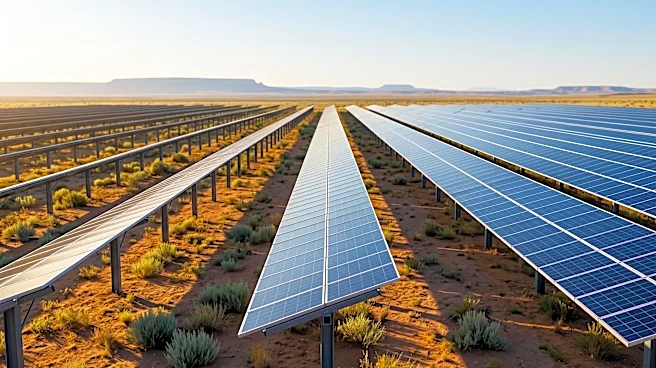
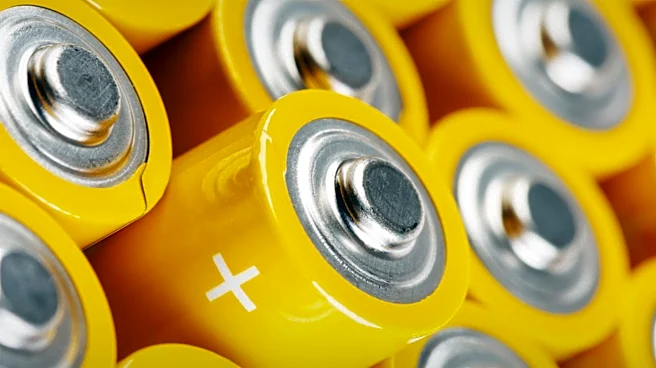
PV Incentive Program, aiming to bolster local energy resilience and promote environmental sustainability. To qualify for the one-time $1,000 rebate, battery systems must have a minimum capacity of 5 kilowatt-hours (kWh) and must be paired with either a new or existing solar PV system. The program operates on a first-come, first-served basis, with rebates limited by available funds. Homeowners are required to obtain all necessary permits from the Foster City Building Division and ensure their projects pass a final inspection. This rebate can also be combined with the Solar Rebate Program for new solar installations, providing an additional incentive for residents to adopt renewable energy solutions and enhance their energy independence.
Why It's Important?
This program is important because it directly addresses the growing need for energy resilience at the local level, particularly in the face of potential grid outages and increasing energy demands. By incentivizing the installation of battery storage systems, Foster City is empowering homeowners to store excess clean energy generated by their solar panels, allowing them to power their homes during the night or in the event of grid disruptions. This not only reduces reliance on the traditional power grid but also contributes to a more stable and sustainable energy infrastructure within the community. The financial incentive makes renewable energy solutions more accessible and attractive to residents, potentially accelerating the adoption of solar and battery storage technologies. Furthermore, by promoting the use of stored clean energy, the program helps reduce carbon emissions and supports broader environmental sustainability goals, setting a precedent for other municipalities to follow in fostering local energy independence and environmental stewardship.
What's Next?
Applications for the Residential Battery Storage Rebate Program are being accepted on a first-come, first-served basis until the allocated funds are exhausted each year. Homeowners interested in participating must first review the program guidelines and then submit a Rebate Reservation Form to secure their $1,000 rebate. Following the reservation, applicants will need to proceed with the installation of their battery storage system, ensuring all necessary permits are obtained from the Foster City Building Division. After installation and successful final inspection, a Request for Reimbursement Form must be submitted to receive the rebate. The city anticipates that this program will encourage a significant number of residents to invest in battery storage, further integrating renewable energy into the local power landscape and enhancing the community's ability to withstand power interruptions. The success of this program could also influence future municipal energy policies and incentives.
Beyond the Headlines
The Foster City Residential Battery Storage Rebate Program signifies a broader shift towards decentralized energy systems and increased consumer participation in energy management. Beyond the immediate financial benefits, this initiative fosters a culture of energy independence and environmental responsibility among residents. It highlights the evolving role of local governments in driving sustainable energy transitions, moving beyond mere regulation to active incentivization. The program also underscores the increasing importance of battery storage as a critical component of renewable energy systems, addressing the intermittency of solar power and providing reliable backup during emergencies. This local action could serve as a model for other communities looking to enhance their energy security and reduce their carbon footprint, demonstrating how targeted incentives can accelerate the adoption of advanced energy technologies and contribute to a more resilient and sustainable future.