



What's Happening?
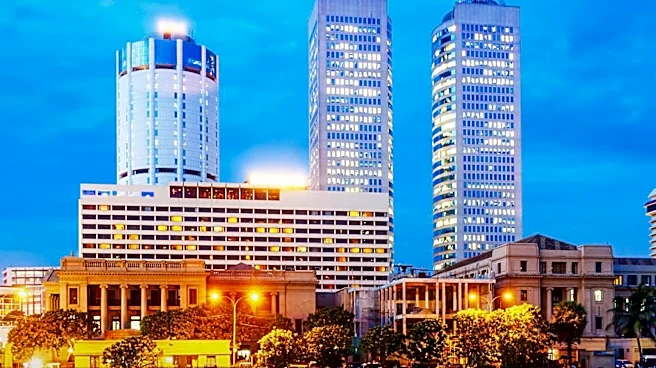
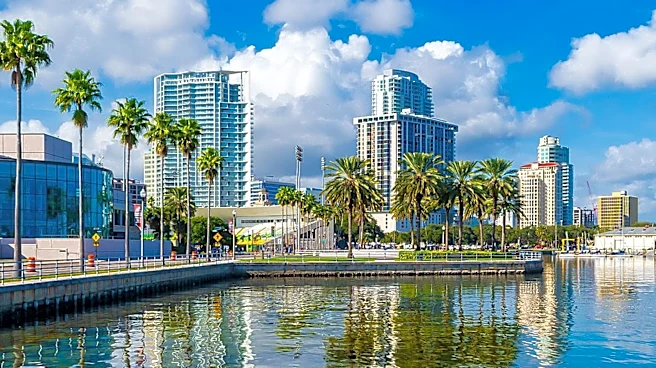
The World Bank is investing approximately $77 million in the THRIVE Colombo project, the first of three planned operations totaling $200 million, aimed at transforming Colombo, Sri Lanka, into a standalone tourism destination. Currently, only 5% to 10%
of visitors to Sri Lanka stay in Colombo, with an average stay of half a day, despite the city having the largest concentration of five-star hotel rooms. The THRIVE Colombo project seeks to increase the length of stay for high-spending international travelers to 48 to 72 hours, weekend breaks, and short trips. The initiative will focus on developing two major tourism 'loops': a Fort-centric loop connecting the waterfront, Galle Face Green, and heritage buildings, and a nature-centric loop around Colombo’s wetlands, including Beddagana Wetland Park and Diyasaru Park. The project will also involve institutional reforms for the Sri Lanka Tourism Development Authority (SLTDA), Sri Lanka Tourism Promotion Bureau (SLTPB), and Sri Lanka Institute of Tourism and Hotel Management (SLITHM), alongside the creation of a Tourism Entrepreneurship Fund to support local businesses and events.
Why It's Important?
This World Bank investment is crucial for Sri Lanka's tourism sector, aiming to shift its focus from volume to value by attracting higher-spending visitors. By establishing Colombo as a destination rather than just a transit point, the project could significantly boost the local economy, create jobs, and generate more foreign exchange. The emphasis on private sector participation in managing and operating tourism assets is vital for sustainable development and reducing the burden on government resources. Furthermore, the modernization of tourism institutions and the development of a National Tourism Strategic Plan for 2026-2031 will enhance the country's ability to target specific market segments and improve overall tourism intelligence. This strategic shift could serve as a model for other developing nations looking to leverage their urban centers for high-value tourism, fostering economic growth and improving infrastructure.
What's Next?
Following the THRIVE Colombo project, two additional operations focusing on nature-based and marine tourism are planned, completing the $200 million investment. The implementation of the new Tourism Act, under the leadership of the Tourism Ministry, will be critical in supporting these initiatives. The World Bank will continue to back institutional changes, including improvements to digital systems, governance, human resources, and data collection within Sri Lanka's tourism authorities. A key next step involves the preparation of a National Tourism Strategic Plan for 2026-2031, which will be informed by demand and supply assessments, destination-level planning, and investment and regulatory reviews. This plan will guide future promotional efforts, moving towards product- and segment-led marketing to attract specific high-spending traveler segments for Colombo and nature-based tourism.
Beyond the Headlines
The World Bank's strategy for Colombo highlights a broader trend in global tourism development: the transformation of gateway cities into distinct destinations. This approach recognizes the economic potential of urban centers beyond their traditional roles as transit hubs. The project's focus on heritage and nature-based tourism loops also underscores a growing demand for authentic and experiential travel, moving away from mass tourism. The emphasis on private sector involvement and institutional reform suggests a long-term vision for sustainable tourism, where local communities and businesses play a central role. This initiative could also foster cultural preservation by revitalizing heritage buildings and promoting local arts and events, ultimately enriching the visitor experience and strengthening national identity.