






What's Happening?
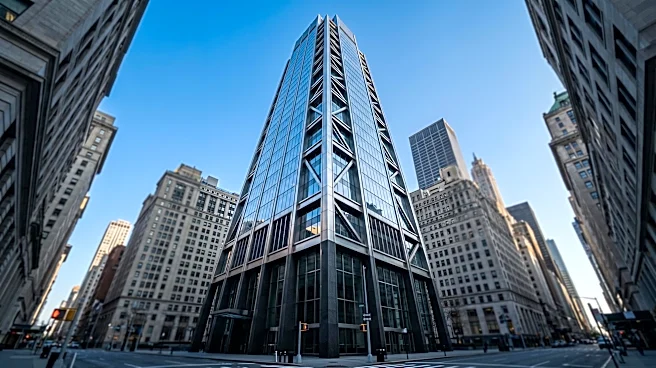
Governor Kathy Hochul has announced the commencement of construction for North White Plains, a $178 million mixed-income, transit-oriented housing development in White Plains, New York. This project will create 296 new apartments across two six-story
buildings, featuring retail space and a publicly accessible park. It marks the first development to utilize the Governor's Housing Acceleration Fund, an innovative program designed to expedite the construction of shovel-ready mixed-income housing projects statewide. The development includes a mix of studios, one-bedroom, and two-bedroom apartments, with five affordable homes reserved for households earning up to 60% of the Area Median Income (AMI) and 25 for those earning up to 110% of AMI, while the remaining units will be market-rate. Financing for North White Plains includes $18 million from the Housing Acceleration Fund, $120 million from Merchants Capital, $10 million from The Community Preservation Corporation, and $30 million in equity from Basis Investment Group and BRP Companies.
Why It's Important?
This initiative is a significant step in Governor Hochul's broader strategy to address New York's housing crisis and enhance affordability. The Housing Acceleration Fund, by providing low-interest, revolving loans, aims to bridge financing gaps for mixed-income housing developments, thereby attracting private investment and accelerating housing production. The North White Plains project, located adjacent to the Metro-North station, is designed to connect residents to job opportunities in Westchester County and New York City, promoting a walkable, transit-oriented lifestyle. This approach is crucial for urban planning and economic development, as it reduces commute times and encourages local commerce. The development's all-electric design, including electric heat pumps and EV charging, aligns with modern sustainability goals, potentially setting a precedent for future projects in the state. The success of this model could influence other states facing similar housing challenges, demonstrating how public-private partnerships and strategic funding can stimulate much-needed housing supply.
What's Next?
The construction of North White Plains is now underway, with completion expected to provide 296 new apartments. The Housing Acceleration Fund, having successfully launched this project, will continue to be administered by New York State Homes and Community Renewal (HCR), with repaid funds reinvested into additional housing developments across the state. Governor Hochul's administration will likely monitor the progress and impact of this development as part of her $25 billion five-year Housing Plan, which aims to create or preserve 100,000 affordable homes statewide. The state Legislature, having recently enacted reforms to the State Environmental Quality Review Act (SEQRA) as part of the 'Let Them Build' agenda, will continue efforts to streamline housing and infrastructure development. Future projects are expected to leverage these reforms and funding mechanisms to further expand housing options and affordability in New York.
Beyond the Headlines
The North White Plains development represents more than just new housing; it embodies a strategic shift towards integrated community planning and sustainable living. By focusing on transit-oriented development, the project addresses not only housing shortages but also broader issues of urban sprawl, traffic congestion, and environmental impact. The inclusion of retail space and a public park fosters a sense of community and provides essential amenities, enhancing the quality of life for residents. The emphasis on all-electric systems and ENERGY STAR standards reflects a commitment to combating climate change and promoting energy efficiency, aligning with New York's ambitious environmental goals. This project could serve as a blueprint for future urban developments, demonstrating how thoughtful planning can create vibrant, sustainable, and equitable communities, while also tackling the complex challenges of housing affordability and environmental stewardship.