






What's Happening?
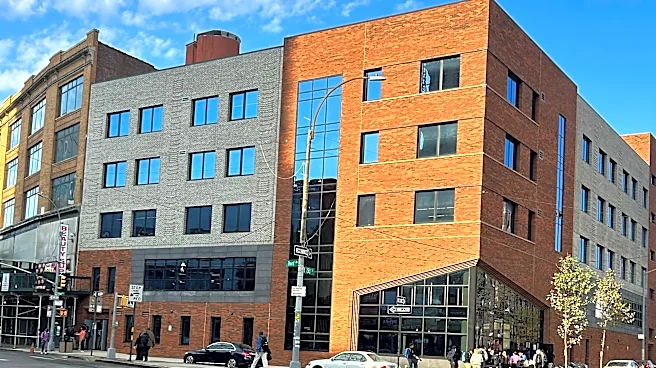
The Brooklyn Chinese Association recently celebrated the 33rd anniversary of its 8th Avenue Senior Center with a grand event in Brooklyn, attended by approximately 600 seniors, members, and community guests. Several elected officials and their representatives
were present, offering commendations and acknowledging the association's long-standing contributions to the community. During the celebration, the association emphasized its commitment to expanding senior services and housing support in the future. The president of the Brooklyn Chinese Association, Mai Baoluo, noted that over the past three decades, the organization has served between 70,000 and 80,000 seniors in Brooklyn. Currently, its six senior centers collectively serve over 1,000 seniors daily, with the 8th Avenue Senior Center alone assisting more than 200 individuals each day. The event also honored Wu Baoling, director of the Chinese Planning Association's Renrui Center, for her 50 years of service to Chinese seniors.
Why It's Important?
This celebration highlights the vital role that community organizations like the Brooklyn Chinese Association play in supporting the growing senior population, particularly within immigrant communities in the U.S. The increasing number of Chinese seniors in Brooklyn, as noted by Mai Baoluo, underscores a broader demographic trend across many American cities where immigrant populations are aging and require culturally sensitive support services. The association's commitment to expanding services and housing support directly addresses critical needs such as social isolation, affordable housing challenges, and access to care that many seniors, especially those living alone or facing language barriers, experience. This initiative not only improves the quality of life for these individuals but also strengthens community cohesion and reduces the burden on public services by providing localized, accessible support. The recognition of long-serving community leaders further emphasizes the dedication and sustained effort required to build and maintain such essential support networks.
What's Next?
The Brooklyn Chinese Association's stated intention to expand senior services and housing support indicates a future focus on addressing the evolving needs of the Chinese senior population in Brooklyn. This will likely involve strategic planning to secure funding, identify suitable locations for new facilities or programs, and collaborate with local government agencies and other non-profit organizations. Given the challenges faced by many seniors, such as rental difficulties and social isolation, the association may prioritize initiatives like developing senior apartments or increasing outreach programs. The continued growth of the Chinese population in Brooklyn, as highlighted by Mai Baoluo, suggests an ongoing demand for these services, necessitating sustained efforts and community engagement. The association will likely continue to advocate for policies and resources that benefit seniors, potentially influencing local urban planning and social service provisions.
Beyond the Headlines
The Brooklyn Chinese Association's enduring presence and expansion plans reflect a deeper narrative about the integration and evolving needs of immigrant communities in the U.S. The focus on senior care within the Chinese community speaks to the importance of intergenerational support and cultural preservation. Many immigrant seniors face unique challenges, including navigating a new cultural environment, language barriers, and often, a lack of family support due to migration patterns. Organizations like the Brooklyn Chinese Association fill a critical gap by providing services that are not only practical but also culturally affirming, fostering a sense of belonging and dignity. The emphasis on housing support also points to the broader issue of gentrification and affordability in urban centers, which disproportionately affects vulnerable populations, including seniors on fixed incomes. This initiative is a testament to the resilience and self-sufficiency of immigrant communities in building their own support structures when mainstream services may not adequately meet their specific needs.