


What's Happening?
Rehabilitation Specialists of Monroe has introduced extracorporeal shockwave therapy (ESWT) as a new treatment option for chronic muscle and joint pain. This therapy, originally developed from technology used to break up kidney stones, is now being used to treat conditions
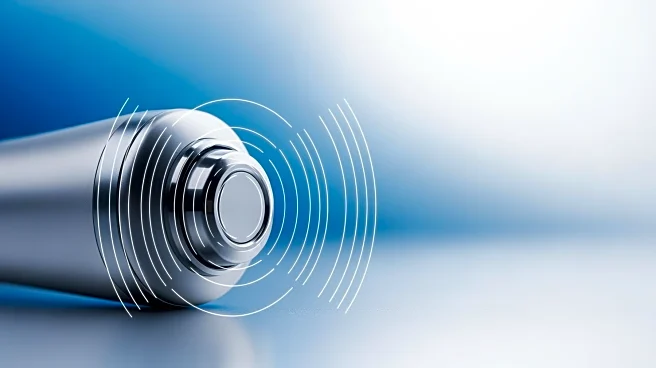
such as plantar fasciitis, Achilles tendinopathy, and rotator cuff issues. The treatment involves high energy sound waves that stimulate the body's natural healing processes, increasing blood flow and promoting tissue repair. Sessions are performed on an outpatient basis, require no anesthesia, and typically last 15 to 30 minutes. Patients often see significant improvement after three to six sessions. Dr. Keith R. Barbour, a specialist in Physical Medicine and Rehabilitation, emphasized the clinic's commitment to offering evidence-based options to help patients recover faster.
Why It's Important?
The introduction of shockwave therapy at the Monroe clinic represents a significant advancement in non-surgical treatment options for chronic pain sufferers. This therapy offers a less invasive alternative to surgery, with minimal discomfort and downtime, which could lead to broader acceptance and use in pain management. By providing a new method to address stubborn musculoskeletal conditions, the clinic is enhancing its service offerings and potentially improving patient outcomes. This development could also influence other medical facilities to adopt similar technologies, thereby expanding access to innovative pain management solutions across the U.S.
What's Next?
Patients interested in shockwave therapy can contact the Rehabilitation Specialists of Monroe to schedule consultations. As the therapy gains traction, it may lead to further studies and potential enhancements in treatment protocols. The clinic's success with this therapy could encourage other healthcare providers to explore similar non-invasive treatments, potentially leading to wider adoption and insurance coverage. Continued patient feedback and clinical outcomes will be crucial in assessing the long-term efficacy and acceptance of shockwave therapy in chronic pain management.