





What's Happening?
Orthopaedist Dr. Sven Ostermeier highlights patellofemoral osteoarthritis as a common cause of noisy and stiff knees, particularly in individuals aged 50 and older. This condition involves the breakdown of cartilage on the underside of the patella (kneecap)
and the groove of the femur (thighbone). The kneecap is crucial for extending and straightening the leg, and when its cartilage wears away, the resulting friction can cause pain and audible crunching sounds. Dr. Ostermeier emphasizes that degenerative changes behind the kneecap are the root cause and should be addressed early to prevent progression. Symptoms can include stiffness, a feeling of the knee locking up, and, if inflammation occurs, swelling and warmth in the kneecap region. The condition is often exacerbated by activities like descending stairs or inclines, standing from a sitting position, kneeling, or squatting.
Why It's Important?
The prevalence of patellofemoral osteoarthritis, especially among those over 50, underscores a significant public health concern related to mobility and quality of life. The condition's impact extends to individuals who are overweight, obese, or in occupations requiring heavy lifting, frequent kneeling, or squatting, as these factors contribute to increased stress on knee joints and accelerated cartilage degeneration. Untreated, this condition can lead to irreversible arthritis affecting the entire knee joint, potentially necessitating more invasive treatments like cartilage cell transplantation or implants. Early intervention and conservative treatments, such as weight loss, quadriceps strengthening, and stretching exercises, are crucial for managing symptoms and preventing further deterioration, thereby reducing the burden on healthcare systems and improving patient outcomes.
What's Next?
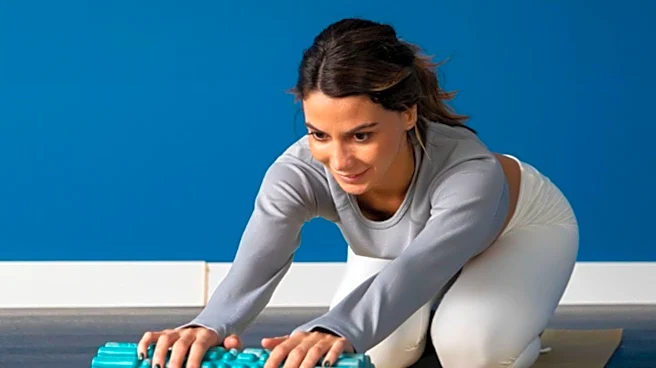
Dr. Ostermeier advises that early treatment is vital to prevent the progression of patellofemoral osteoarthritis to the entire knee joint. Most cartilage damage behind the kneecap can be managed conservatively. Recommended next steps include lifestyle modifications such as losing excess body weight, which can significantly relieve symptoms. Strengthening the quadriceps muscles through exercises like knee-bends can reduce strain on the knee, and stretching exercises that promote lateral mobility are also beneficial for the kneecap. However, individuals experiencing knee problems, acute pain, or inflamed joints should consult a medical specialist before starting any exercise regimen. A doctor can provide guidance on pain-relieving medications and discuss further treatment options, including advanced interventions if conservative methods are insufficient.
Beyond the Headlines
The discussion around patellofemoral osteoarthritis extends beyond immediate pain management to broader implications for an aging population and occupational health. The emphasis on preventive measures and early conservative treatment highlights a shift towards proactive healthcare strategies. The link between obesity, certain occupations, and the development of this condition points to systemic issues related to public health and workplace ergonomics. Addressing these underlying factors could lead to a reduction in musculoskeletal disorders. Furthermore, the potential for irreversible arthritis underscores the importance of ongoing research into cartilage regeneration and less invasive treatment options, which could significantly improve the long-term outlook for individuals suffering from knee joint degeneration.