




What's Happening?
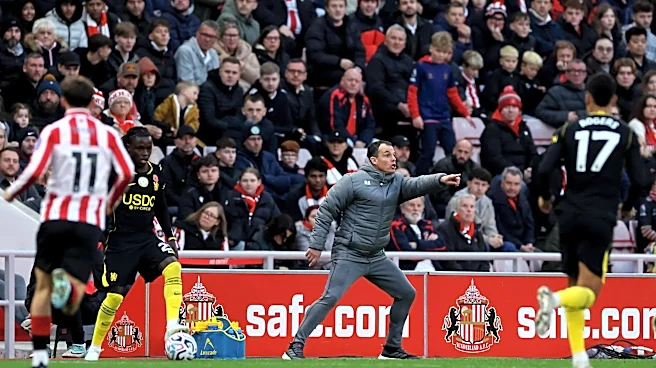
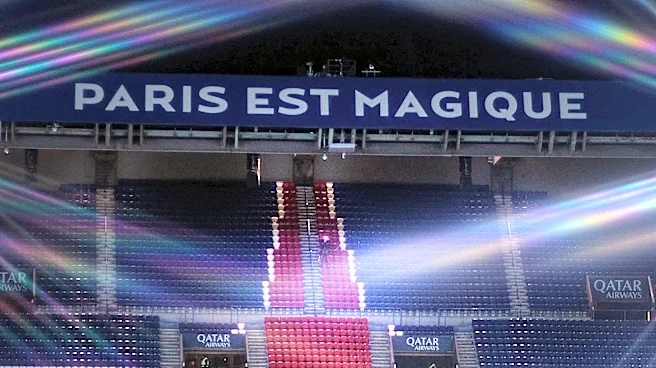
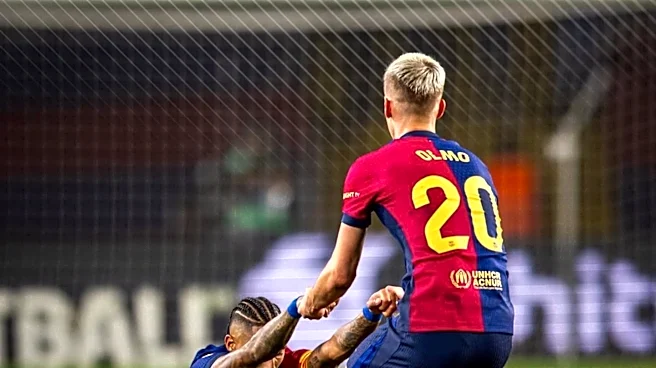
Rwanda has significantly ramped up its tourism marketing efforts over the past eight years, prominently featuring its 'Visit Rwanda' campaign through high-profile global sports sponsorships. This initiative includes branding on Aston Villa's shirts, previous
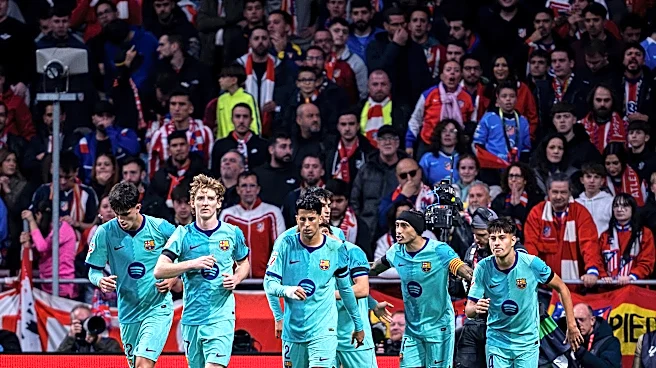
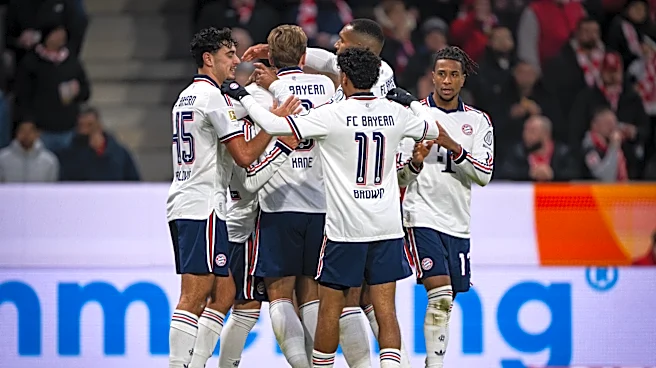
deals with Arsenal and PSG, and partnerships with Bayern Munich, Atletico Madrid, the LA Clippers, and the Los Angeles Rams. The country is also planning to host a Formula One race, with the first event hoped for early next decade at a new Grade One circuit in Bugesera, estimated to cost $270 million for construction and an additional $18.5 million annually for maintenance, plus a yearly hosting fee of $15-50 million. These marketing drives, spearheaded by the Rwandan Development Board (RDB), aim to rebrand the nation and attract tourists, despite skepticism regarding the country's economic capacity given its GDP ranking and the fact that 27.4% of its population lives below the poverty line as of 2024. The RDB asserts that funding for these sponsorships comes entirely from existing tourism revenues, not foreign aid.
Why It's Important?
The aggressive 'Visit Rwanda' campaign highlights a strategic shift in how developing nations leverage global platforms, particularly sports, for economic development and international image building. For the U.S. sports industry, these sponsorships represent significant financial inflows, as evidenced by deals with the LA Clippers and Los Angeles Rams, indicating a growing trend of international entities investing in American sports franchises for global visibility. However, the ethical implications of such large-scale spending by a country with significant poverty levels raise questions for U.S. companies and sports organizations engaging in these partnerships. Critics, including Amnesty International, suggest these efforts could be a form of 'sportswashing,' diverting attention from human rights concerns and internal issues. The debate over the source of funding and its impact on the Rwandan populace could influence public perception and corporate social responsibility discussions within the U.S. business community.
What's Next?
The planned Formula One race in Bugesera, with its substantial infrastructure and hosting costs, will likely draw further international attention and scrutiny regarding Rwanda's economic priorities and development strategies. The ongoing debate about the source of funding for these marketing initiatives and their actual benefit to the Rwandan citizens will continue. As more U.S. sports teams and organizations consider similar international partnerships, they may face increased pressure to conduct thorough due diligence and address ethical considerations. The effectiveness of 'Visit Rwanda' in genuinely boosting tourism and improving the lives of ordinary Rwandans, beyond generating international headlines, will be a key metric for evaluating the long-term success and justification of these costly campaigns.
Beyond the Headlines
The 'Visit Rwanda' campaign transcends simple tourism promotion, delving into complex issues of national branding, post-conflict recovery, and the ethics of international development. The substantial investment in sports sponsorships, particularly with U.S. teams, reflects a sophisticated strategy to reshape global perceptions and attract foreign investment, moving beyond the shadow of the 1994 genocide. However, the allegations of 'sportswashing' and concerns about the country's human rights record, as noted by United Nations investigators regarding involvement in conflict in Congo and suppression of dissent, introduce a moral dilemma for international partners. This situation underscores the broader challenge for U.S. businesses and sports entities in navigating partnerships with nations where economic aspirations intersect with complex geopolitical and human rights landscapes, potentially influencing their brand reputation and stakeholder relations.