





What's Happening?
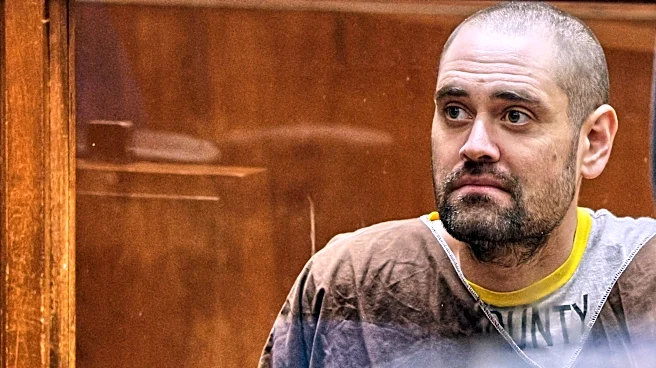
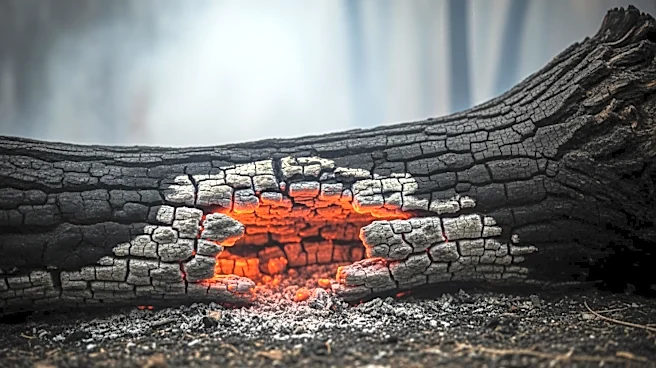
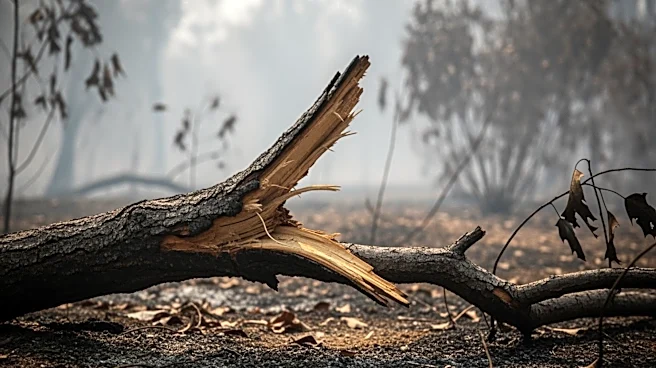
Jonathan Rinderknecht is on trial in Los Angeles federal court, accused of starting the most destructive wildfire in the city's history. The fire, known as the Lachman Fire, began on January 1, 2025, and later rekindled into the Palisades Fire, which
resulted in 12 deaths, over 23,000 acres burned, and nearly 8,000 structures damaged or destroyed. Rinderknecht's defense attorney, Steve Haney, argues that his client is innocent, claiming Rinderknecht was a 'concerned citizen' who reported the fire after watching New Year’s Eve fireworks. Prosecutors, however, allege that Rinderknecht intentionally set the fire using a barbecue lighter, with cell phone data placing him at the fire's origin. The trial is expected to last about 10 days, with Rinderknecht facing up to 45 years in prison if convicted.
Why It's Important?
The trial of Jonathan Rinderknecht is significant due to the massive impact of the Palisades Fire, which caused an estimated $37 billion in economic losses. The case highlights the severe consequences of wildfires in California, a state frequently battling such disasters. The outcome of the trial could influence public perception of accountability in wildfire incidents and the effectiveness of legal measures in deterring arson. Additionally, the case underscores the challenges faced by emergency services in managing and containing wildfires, as well as the potential for human error or malicious intent to exacerbate natural disasters.
What's Next?
As the trial progresses, both the defense and prosecution will present evidence and testimonies to support their claims. The defense aims to prove Rinderknecht's innocence, while the prosecution seeks to establish his intent to cause destruction. The trial's outcome could lead to further legal actions or policy changes regarding wildfire prevention and response. Stakeholders, including local communities, insurance companies, and environmental agencies, will be closely monitoring the trial for its implications on future wildfire management and liability issues.