








What's Happening?
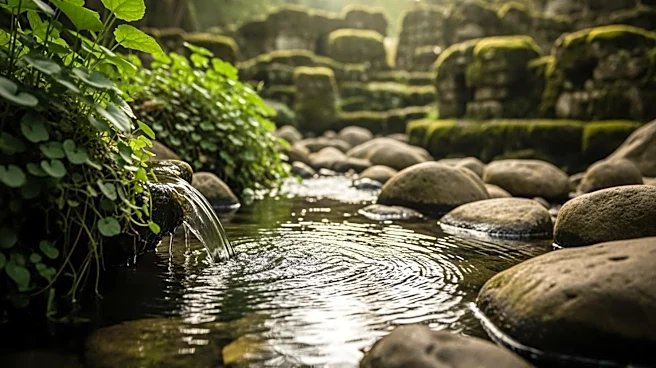
Einot Petzael, a hidden reserve in the Jordan Valley, offers a unique blend of natural beauty and ancient history. The reserve, largely unknown to many, features clear springs, wildlife, and historical sites dating back to biblical times and Herod's era.
Visitors can explore the main pool, fed by natural springs, and enjoy the solitude of hidden pools tucked behind boulders. The site has been developed by the Parks Authority, with amenities like signage and picnic areas, making it more accessible while preserving its serene environment.
Why It's Important?
The development of Einot Petzael highlights the importance of preserving natural and historical sites while making them accessible to the public. This initiative not only promotes tourism in the region but also fosters a deeper appreciation for the area's rich history and natural beauty. The reserve's development is part of a broader effort to expand nature reserves in Judea and Samaria, reflecting a commitment to environmental conservation and cultural heritage preservation. This can lead to increased tourism, benefiting local economies and encouraging sustainable practices.
What's Next?
As Einot Petzael gains recognition, it is expected to attract more visitors, potentially leading to further development and investment in the area. The Parks Authority may continue to enhance the site's infrastructure, offering guided tours and educational programs to enrich visitors' experiences. Additionally, there may be efforts to promote the reserve as a destination for eco-tourism, emphasizing sustainable travel practices. The site's historical significance could also attract scholars and researchers, contributing to a deeper understanding of the region's past.
Beyond the Headlines
The story of Einot Petzael underscores the complex interplay between nature, history, and modern development. As more people visit the reserve, there is an opportunity to foster a greater appreciation for the interconnectedness of these elements. The site's history, from biblical times to Herod's era, offers a narrative of continuity and change, inviting reflection on the enduring impact of human activity on the landscape. This perspective can inspire efforts to balance development with conservation, ensuring that such sites remain intact for future generations.