




What's Happening?
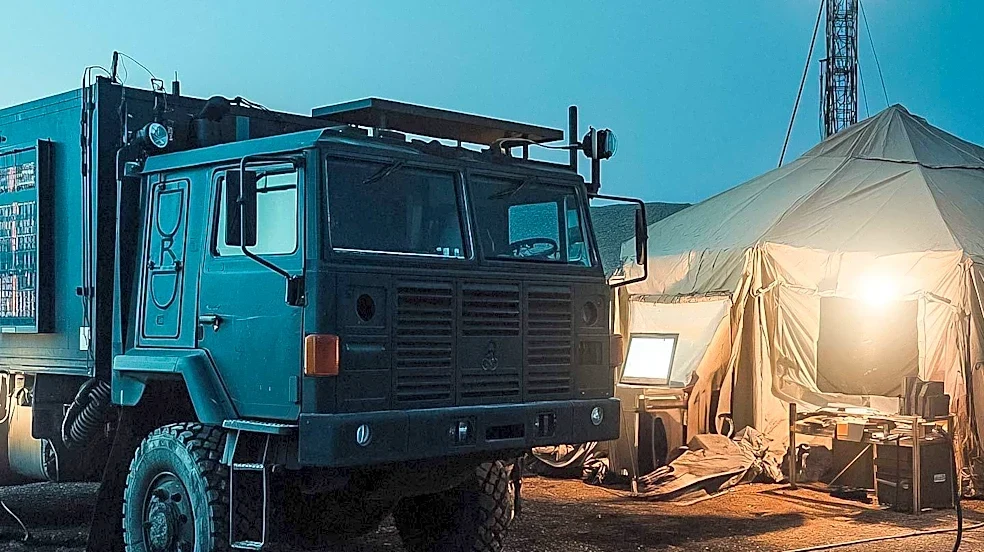
Raytheon, an RTX business, has been chosen by the US Space Force to modernize its radar sites, which form the outermost layer of the nation's missile defense architecture. This initiative, known as the Ground-Based Radar Digitization (GBRD) program, aims
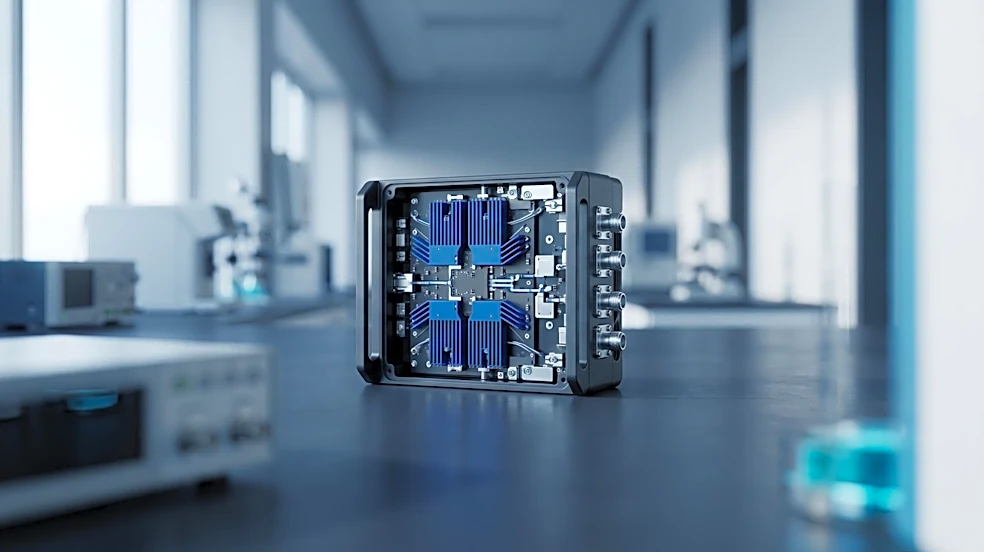
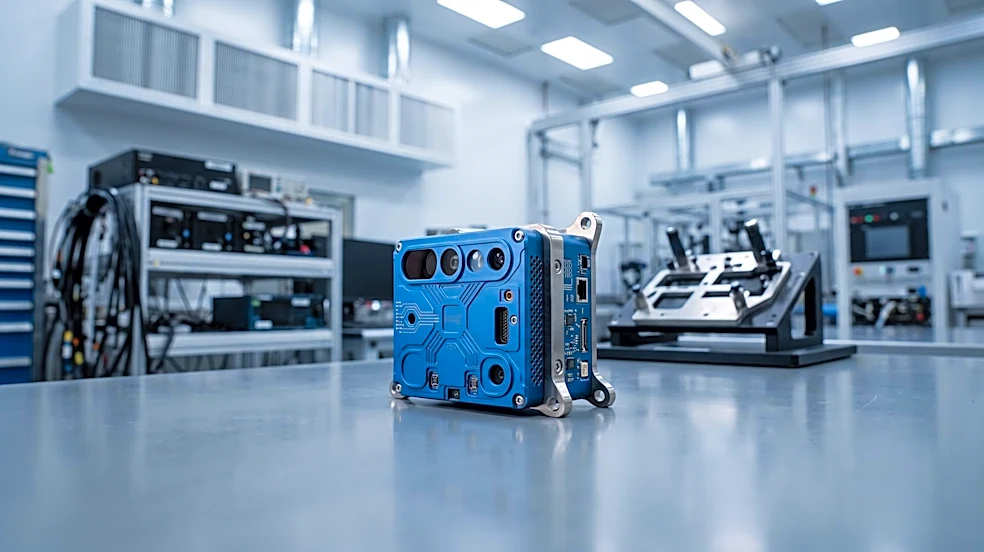
to upgrade long-serving systems that provide early warning of launches, characterize objects, and track activity in space. The modernization efforts will enhance overall performance, improve reliability, and support more advanced operational capabilities. According to a company statement, these updates are crucial for ensuring the radars continue to provide critical ground-based early warning and space monitoring for decades. Sam Deneke, president of Air & Space Defense Systems at Raytheon, emphasized that digitizing these radar systems is essential for staying ahead of increasingly complex global threats.
Why It's Important?
This program is vital for national security as it directly strengthens the US missile defense capabilities. By modernizing these radar systems, the US Space Force aims to improve its domain awareness and establish a more resilient, layered security architecture. The enhanced capabilities will allow for faster deployment of new technologies, ensuring the nation can effectively counter evolving threats. The collaboration between Raytheon and the Space Force also seeks to create a common open architecture, which will improve sustainment efficiency, prevent vendor lock-in, and simplify future upgrades. This strategic investment underscores the ongoing commitment to maintaining a technological edge in space defense, protecting critical assets, and ensuring the safety of the nation against potential missile attacks.
What's Next?
Raytheon will deliver prototype solutions under the GBRD program before transitioning to rapid fielding for the remaining locations. This phased approach suggests a methodical implementation of the new technologies across the Space Force's radar sites. The focus on a common open architecture indicates a long-term strategy for continuous improvement and adaptability, allowing for seamless integration of future advancements. The program's success will likely influence future defense spending and technological development in space-based surveillance and missile defense. Stakeholders, including other defense contractors and international allies, will be closely observing the outcomes of this modernization effort as it could set new standards for space domain awareness.
Beyond the Headlines
The modernization of these radar systems extends beyond immediate defense enhancements, touching upon broader implications for technological sovereignty and strategic competition. By investing in advanced digitization, the US is not only improving its defensive posture but also signaling its commitment to maintaining leadership in space technology. This move could spur further innovation in the defense sector, fostering a competitive environment among technology providers. Furthermore, the emphasis on an open architecture could influence international defense collaborations, promoting interoperability and shared security frameworks with allies. The long-term shift towards more resilient and adaptable defense systems reflects a proactive approach to national security in an increasingly complex global landscape.