




What's Happening?
Scientists at Scripps Research in La Jolla have made significant strides in understanding how the body processes touch. The study, led by molecular biologist Ardem Patapoutian, explores the role of PIEZO1 and PIEZO2 proteins, which act as sensors for
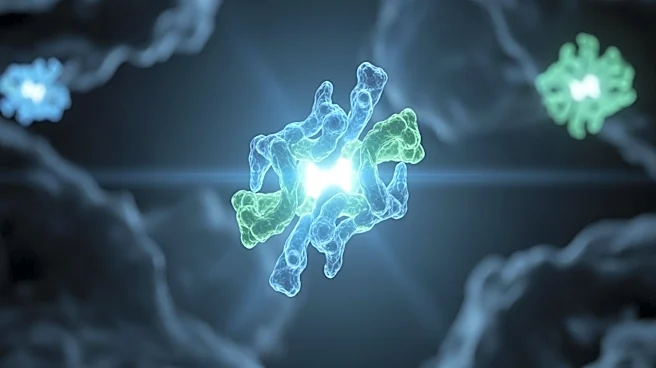
mechanical force. PIEZO1 responds to broad mechanical stresses, while PIEZO2 is a key sensor for touch. Using advanced microscopy techniques, the research team observed how PIEZO2 changes shape in response to force, linking structural changes to ion channel activity. This discovery provides insights into the molecular mechanisms underlying touch sensation, with implications for understanding sensory disorders.
Why It's Important?
The study enhances our understanding of the body's sensory systems, particularly the mechanisms of touch. By elucidating the role of PIEZO proteins, researchers can better understand sensory disorders and develop targeted treatments. The findings have potential applications in medical research, offering new avenues for addressing conditions related to touch sensation. This research also contributes to the broader field of neuroscience, advancing knowledge of how the nervous system processes mechanical stimuli.
What's Next?
The research team at Scripps is likely to continue exploring the functions of PIEZO proteins, investigating their roles in other sensory processes. Further studies may focus on the development of therapies for sensory disorders, leveraging the insights gained from this research. Collaboration with other institutions and researchers will be essential to advance the understanding of sensory systems and their applications in medicine.
Beyond the Headlines
The study's findings have broader implications for the field of neuroscience, offering insights into the complex interactions between molecular structures and sensory perception. The research highlights the importance of advanced imaging techniques in uncovering the intricacies of biological processes, paving the way for future discoveries in sensory biology.