






What's Happening?
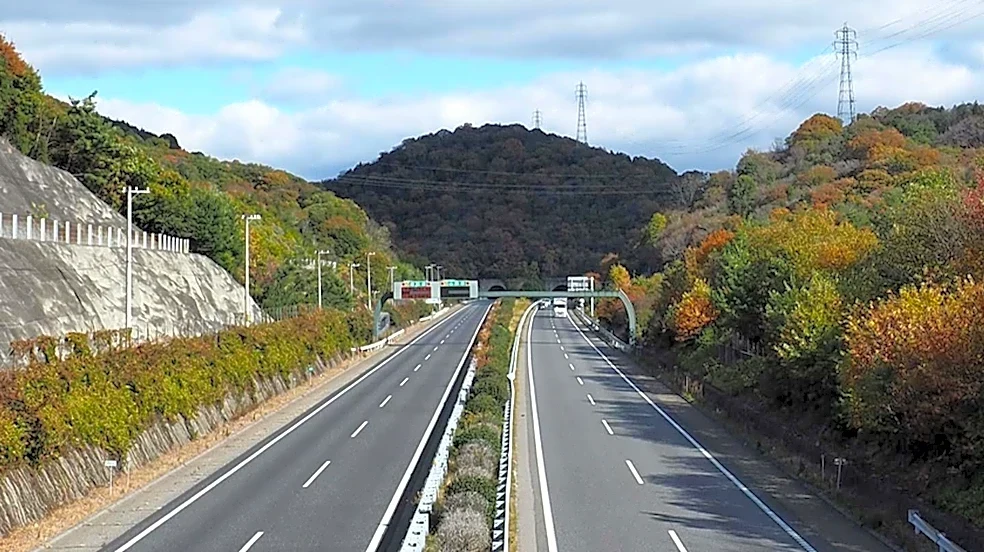
The Pennsylvania Turnpike, a critical 360-mile corridor connecting Ohio to New Jersey, is grappling with significant challenges related to its aging infrastructure and financial constraints. The Pennsylvania Turnpike Commission, responsible for its management,
is balancing debt obligations with the ongoing need for maintenance and upgrades. The Turnpike carries tens of millions of vehicles annually, supporting both commerce and daily commutes. Recent reports highlight persistent issues such as pothole damage, the necessity for resurfacing projects, and disruptions caused by weather. The sheer scale of the system means that problems can emerge faster than they are resolved, particularly during extreme weather conditions like harsh winters and intense summer heat. Construction zones are a constant presence, creating bottlenecks and frustrating drivers, even as they signal necessary repairs and improvements. The reliance on toll revenue for funding much of the work is being challenged by rising costs and competing priorities, which limit the pace and scope of these essential improvements.
Why It's Important?
The condition of the Pennsylvania Turnpike has far-reaching implications for the U.S. economy, particularly for the logistics sector and regional commerce. As a key route for hauling goods, delays and restrictions on the Turnpike directly impact carriers, forcing them to adjust schedules and plan around construction and weather-related closures. This can lead to increased operational costs and inefficiencies in the supply chain. For the public, the deteriorating infrastructure translates to a less reliable and potentially more hazardous travel experience. Advocates for targeted investment argue that proactive spending now can prevent more costly failures in the future, underscoring the economic principle that deferred maintenance often leads to higher expenses down the line. The Turnpike's unreliability affects not only individual drivers but also businesses, emergency response times, and the predictability of freight movement across the state, highlighting its role as an economic backbone for the region.
What's Next?
The Pennsylvania Turnpike Commission will continue to navigate the complex balance between debt obligations and infrastructure needs. Future efforts are expected to focus on modernizing the system, with an emphasis on data-driven approaches and improved communication to enhance the driver experience. This includes utilizing technology like sensors, cameras, and data analytics to identify trouble spots more quickly and accurately. Real-time updates, more precise incident reporting, and coordinated construction schedules are anticipated to help reduce confusion and minimize disruptions for travelers. While these efforts aim to improve the current imperfections, drivers should expect ongoing construction and maintenance projects. For travelers, practical steps such as checking conditions before departure, allowing extra time during adverse weather or construction, and following official guidance will remain crucial for managing their journeys effectively.
Beyond the Headlines
The ongoing challenges faced by the Pennsylvania Turnpike reflect a broader national issue concerning aging infrastructure and the sustainability of funding mechanisms for critical transportation networks. The reliance on toll revenue, while providing a direct funding source, also raises questions about equitable access and the potential burden on frequent users and commercial operators. The tension between immediate repair needs and long-term strategic investments highlights a common dilemma in public infrastructure management. Furthermore, the impact of climate change, with more frequent and intense weather events, adds another layer of complexity to maintaining road integrity, demanding more resilient and adaptive infrastructure solutions. The situation on the Pennsylvania Turnpike serves as a microcosm of the larger debate on how the U.S. will fund, maintain, and modernize its essential transportation arteries to support economic growth and public safety in the coming decades.