





What's Happening?
Connecticut is gearing up for its 2026 primary elections, with significant races in both Democratic and Republican parties. Key contests include the Democratic primary for governor, where incumbent Ned Lamont faces a challenge from state Rep. Josh Elliott.
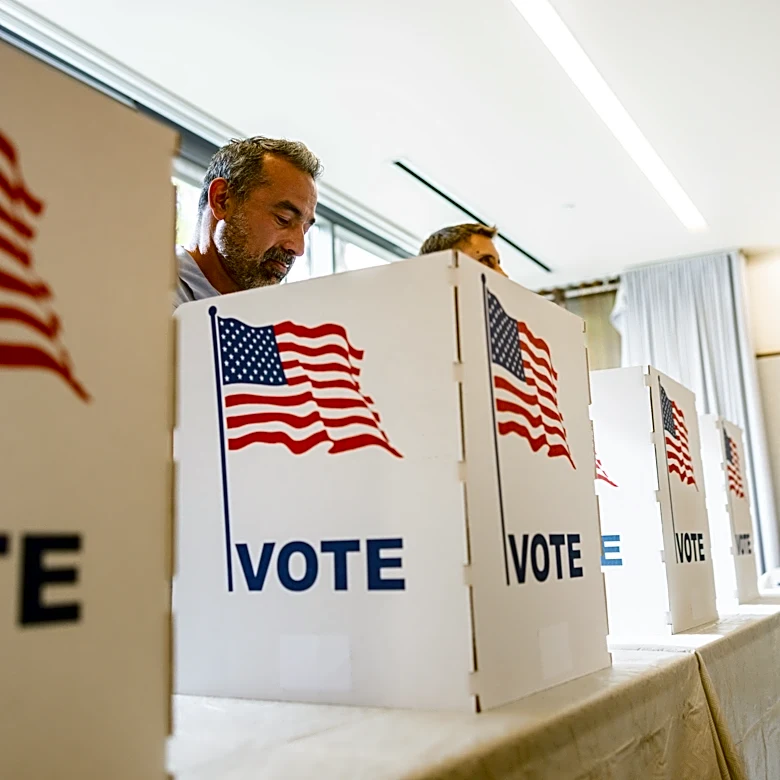
Additionally, there are competitive races in several congressional districts and state legislative seats. The primaries will determine the candidates for the general election in November, with voters heading to the polls on August 11.
Why It's Important?
The primary elections in Connecticut are crucial in shaping the political landscape of the state. The outcomes will influence the balance of power in both state and federal levels, impacting policy decisions on issues such as healthcare, education, and economic development. The elections also reflect broader national trends, as they may indicate voter sentiment and priorities ahead of the general elections. The results could have implications for party strategies and candidate positioning in the upcoming electoral cycle.
What's Next?
Following the primaries, candidates will focus on the general election campaign, addressing key issues and engaging with voters. The results of the primaries will provide insights into voter preferences and potential shifts in political dynamics. As the general election approaches, both parties will strategize to mobilize their bases and appeal to undecided voters. The outcomes will be closely monitored by political analysts and stakeholders, as they could signal broader electoral trends.