




What's Happening?
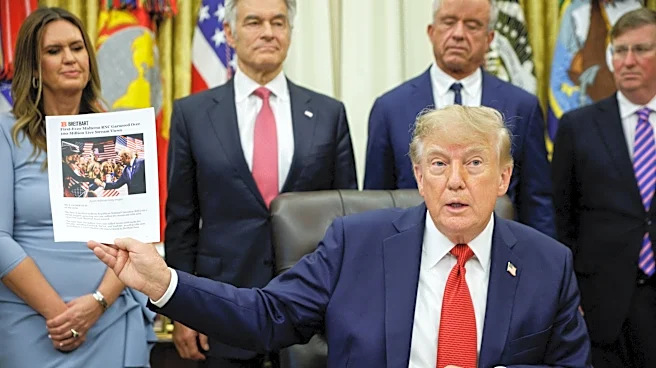
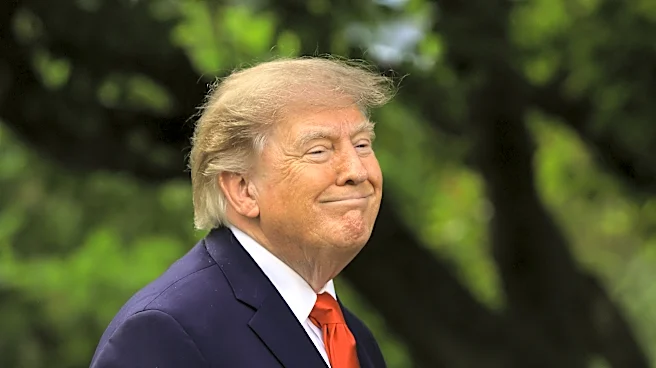
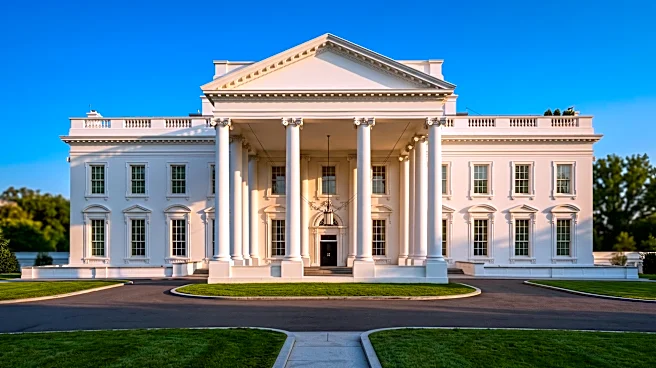
The White House has launched 'Trump TV,' a 24/7 livestream on YouTube showcasing 'top past moments, announcements and the latest and greatest from the administration.' This initiative, which began on Monday at 4 p.m. PT, follows President Trump's decision
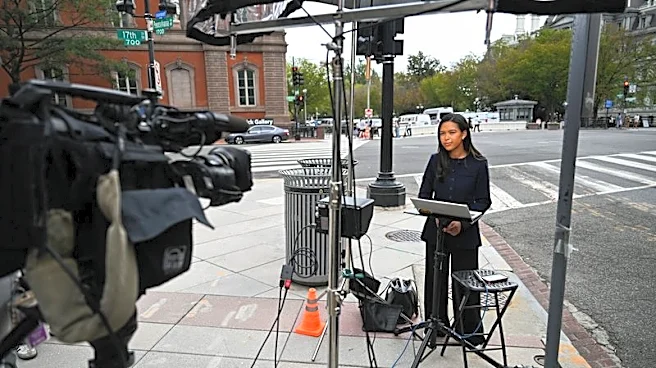
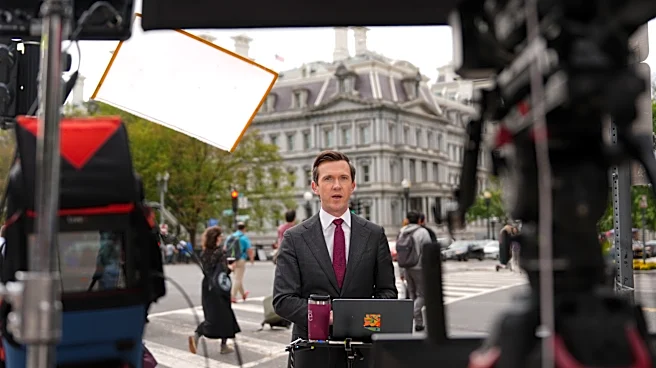
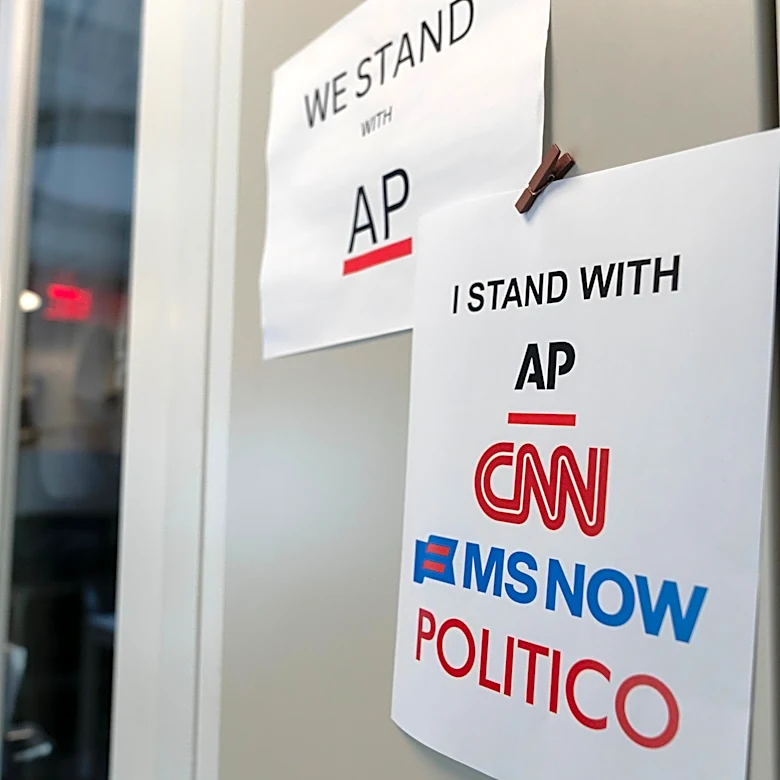
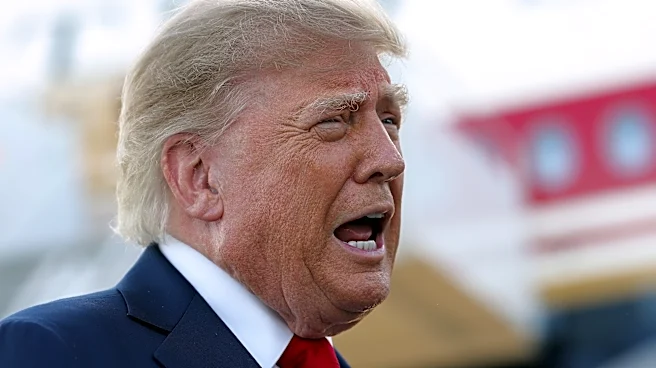
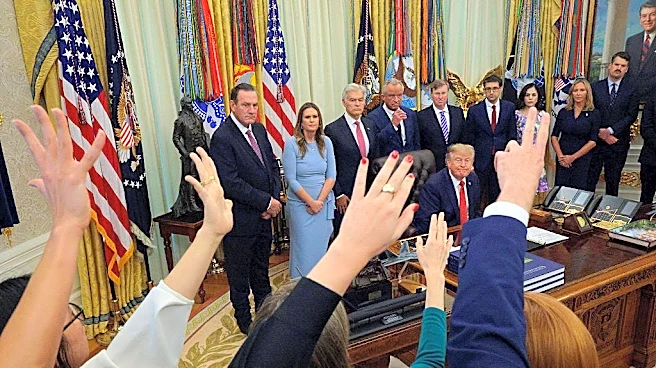
to ban journalists from CNN, MSNBC, and Politico from the White House press pool. The administration describes 'Trump TV' as a platform to present its achievements directly to the public. However, critics, including California Governor Gavin Newsom, have labeled it 'state-run media' and 'autocratic behavior.' Journalists from ABC, CBS, NBC, and Fox News demonstrated solidarity with the excluded outlets by suspending their pooled television coverage on Monday. The launch also occurred hours after President Trump experienced audio issues at a ribbon-cutting ceremony, which lacked press pool cameras to capture sound. A source with knowledge of the situation stated that 'The Fake News has no place demanding a spot in the President's Oval Office,' asserting that their reporting is a 'disservice to the American public.'
Why It's Important?
The launch of 'Trump TV' and the simultaneous exclusion of certain news organizations from the White House press pool represent a significant shift in the administration's engagement with the media. This move could fundamentally alter how information from the White House is disseminated and perceived by the American public. By creating its own media channel, the administration aims to bypass traditional journalistic scrutiny and control the narrative, potentially limiting the public's access to diverse perspectives and independent reporting. This development raises concerns about media freedom and the role of a free press in a democratic society. Critics argue that it mirrors practices seen in authoritarian regimes, where state-controlled media is used to promote government agendas and suppress dissenting voices. The solidarity shown by other major news outlets in suspending their pooled coverage underscores the gravity of the situation and highlights the media's collective concern over press access and independence.
What's Next?
The launch of 'Trump TV' is likely to intensify the ongoing debate about media bias, press freedom, and the relationship between the White House and news organizations. We can anticipate continued criticism from political opponents, media watchdogs, and civil society groups, who will likely scrutinize the content and editorial decisions of 'Trump TV.' The excluded news organizations may explore legal or journalistic avenues to regain access to White House briefings and events. The public's reception of 'Trump TV' will also be a key factor; its viewership and influence will indicate the extent to which the administration can successfully bypass traditional media. This situation could also prompt other political figures or institutions to consider similar direct communication channels, further fragmenting the media landscape. The long-term implications for journalistic practices and the public's trust in information sources remain to be seen.
Beyond the Headlines
This development extends beyond immediate political implications, touching upon fundamental aspects of democratic governance and the information ecosystem. The creation of 'Trump TV' and the restriction of press access challenge the established norms of transparency and accountability that underpin a healthy democracy. It raises questions about the definition of 'news' and the role of objective reporting in an era of increasing polarization and digital media. Ethically, it prompts a re-evaluation of the responsibilities of both government and media in informing the public. Culturally, it could further entrench existing divisions, as different segments of the population rely on increasingly siloed information sources. The long-term shift towards direct government-to-citizen communication, bypassing traditional journalistic gatekeepers, could have profound effects on civic discourse, critical thinking, and the ability of citizens to make informed decisions.