


What's Happening?
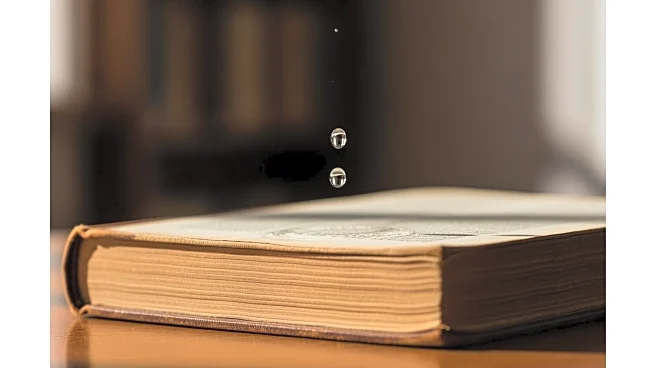
The Louvre Museum in Paris has experienced a significant setback due to a water leak that damaged between 300 and 400 antique books in its Egyptian Antiquities department. This incident follows a recent heist of French royal jewels, highlighting vulnerabilities
in the museum's infrastructure. Francis Steinbock, the deputy administrator of the Louvre, reported that the leak occurred in late November, affecting texts dating back to the 19th and early 20th centuries. These works are crucial for Egyptologists, museum staff, and students. Efforts are underway to dehumidify the damaged books using blotting paper, and dehumidifiers have been installed in the affected area. The museum is set to undergo a major renovation starting in September 2026, aimed at addressing these infrastructure issues.
Why It's Important?
The water leak at the Louvre underscores the pressing need for infrastructure upgrades at one of the world's most visited museums. The damage to valuable texts not only impacts academic research but also raises concerns about the preservation of cultural heritage. The incident has drawn criticism from the French Democratic Confederation of Labor, which pointed to the museum's fragile infrastructure and lack of transparency. The planned renovation, estimated to cost hundreds of millions, aims to address overcrowding and improve visitor experience, which is crucial given the museum's annual footfall of over 8.7 million visitors. The recent jewel heist further emphasizes the need for enhanced security measures.
What's Next?
The Louvre is preparing for a comprehensive renovation project set to begin in September 2026. This overhaul will include a new entrance near the Seine to alleviate congestion at the Pyramid entrance. The museum's last major renovation occurred in the 1980s, and the current plans are part of an ambitious effort to modernize its facilities. The ongoing investigation into the jewel heist continues, with experts warning that the stolen items may have been dismantled or transformed to avoid detection. The museum's management will likely face increased scrutiny to ensure the protection of its collections and infrastructure.
Beyond the Headlines
The Louvre's challenges reflect broader issues faced by cultural institutions worldwide, where balancing preservation with modernization is critical. The museum's infrastructure problems highlight the importance of investing in cultural heritage to safeguard historical artifacts for future generations. The incident also raises ethical questions about transparency and accountability in managing public institutions. As the museum moves forward with its renovation plans, it will need to address these concerns while ensuring that its collections remain accessible and secure.