
What's Happening?
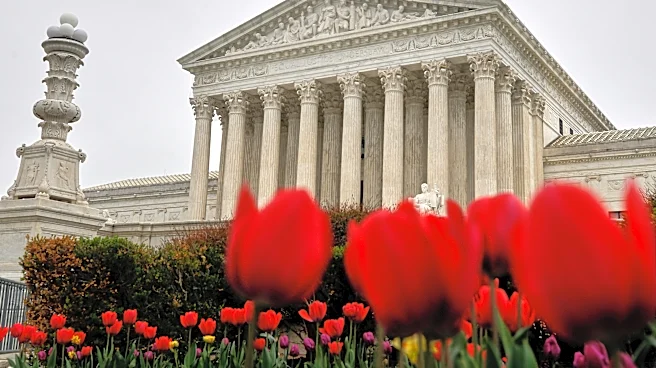
The U.S. Supreme Court has denied a request from Black Louisiana voters to recall its judgment in a case that invalidated the state's congressional map. The NAACP Legal Defense Fund and Educational Fund sought
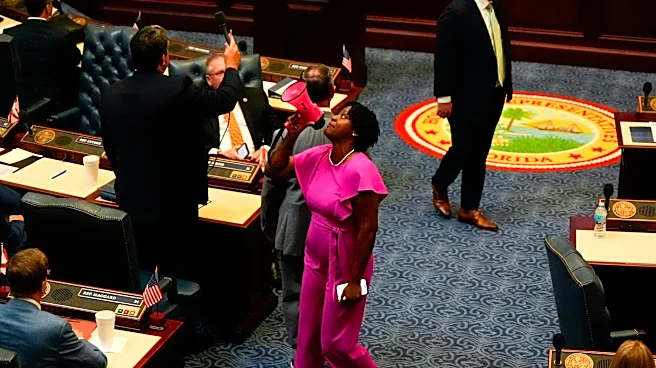
to recall the judgment in Louisiana v. Callais, arguing that the expedited issuance of the mandate was inappropriate. Justice Ketanji Brown Jackson dissented, criticizing the court's decision to fast-track the mandate. The court's ruling has prompted Louisiana lawmakers to redraw congressional districts, with similar actions being taken in other states like Tennessee and Florida.
Why It's Important?
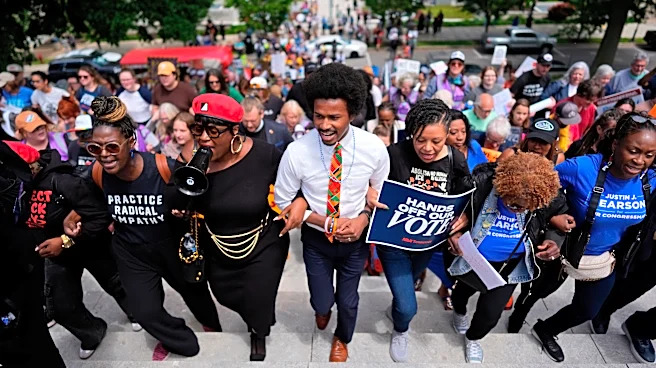
The Supreme Court's decision has significant implications for electoral representation and the fight against racial gerrymandering. By upholding the ruling that Louisiana's congressional map was unconstitutional, the court reinforces the need for fair and equitable districting practices. This decision impacts not only Louisiana but also sets a precedent for other states facing similar challenges. The ruling underscores the ongoing struggle for voting rights and the importance of judicial oversight in ensuring that electoral maps do not disenfranchise minority voters.
What's Next?
Following the court's decision, Louisiana lawmakers are working to redraw the state's congressional districts to comply with the ruling. Other states affected by similar rulings are also revising their maps ahead of upcoming elections. The decision may lead to increased scrutiny of districting practices nationwide and could prompt further legal challenges to gerrymandered maps. As states adjust their electoral boundaries, the focus will remain on ensuring that new maps provide fair representation for all voters, particularly minority communities.