






What's Happening?
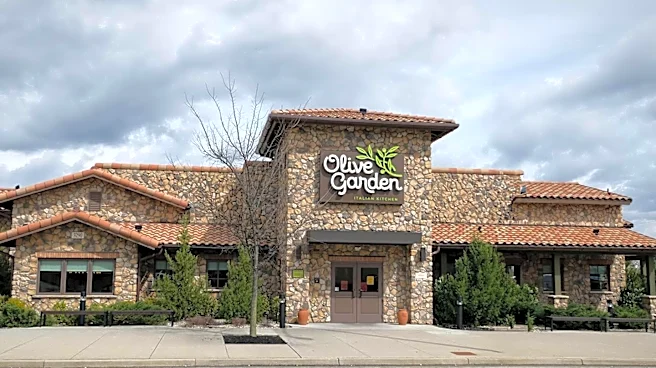
Olive Garden's requirement for a photo ID to use its Never-Ending Pasta Pass has become a focal point in the debate over voter ID laws in the United States. The restaurant's policy, which mandates that passholders present a valid photo ID matching the name
on the pass, has been highlighted by conservatives as stricter than the voting requirements in some Democrat-led states. This comparison has been used to advocate for the SAVE America Act, which includes voter ID and citizenship verification measures. Prominent figures, including Indiana Attorney General Todd Rokita and Utah Senator Mike Lee, have voiced their support for the act, arguing that election security should be at least as stringent as Olive Garden's policy. President Trump has also urged Congress to pass the SAVE Act, emphasizing the need for secure and fair elections.
Why It's Important?
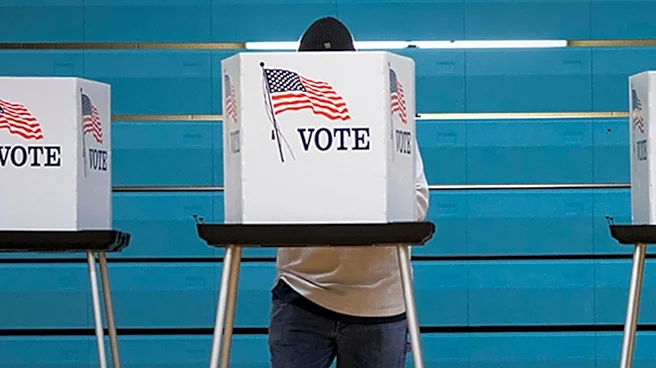
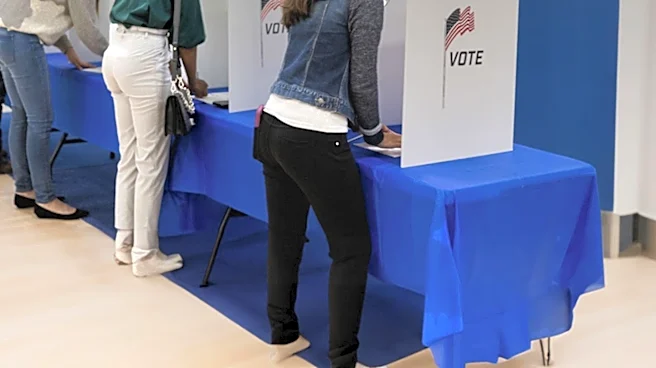
The debate over voter ID laws is a significant issue in U.S. politics, with implications for election security and voter access. Proponents of stricter ID laws argue that they are necessary to prevent fraud and ensure the integrity of elections. Critics, however, contend that such laws can disenfranchise voters, particularly in minority and low-income communities. The comparison to Olive Garden's policy underscores the ongoing tension between ensuring security and maintaining accessibility in the electoral process. The outcome of this debate could influence future legislation and impact voter turnout in upcoming elections.
What's Next?
The SAVE America Act, which includes provisions for voter ID and citizenship verification, is currently being pushed by Republican lawmakers. If passed, it could lead to significant changes in how elections are conducted in the U.S., potentially increasing the requirements for voter identification. The act's progress will likely be closely monitored by both supporters and opponents, with potential legal challenges and public campaigns influencing its fate. The broader conversation around election security and voter access is expected to continue, with implications for future electoral reforms.